A workbench without a vise is just a table. The moment you need to saw a straight line, file a burr off steel, or glue a joint square, a solid vise becomes the most-used tool on your bench. The tricky part is that woodworking and metal fabrication ask for very different things: wood wants wide, non-marring jaws and generous clamping reach, while metalwork demands cast-steel strength and a built-in anvil for hammering.
In this roundup we compare eight vises that span both worlds, from the clamp-on WORKPRO dual-jaw model perfect for a folding bench to the PONY 5-inch heavy-duty bench vise with a 360-degree swivel base built for real fabrication. We look at jaw width, throat depth, mounting style, and how each handles the sideways racking that ruins cheap vises.
Our top picks



As an Amazon Associate we earn from qualifying purchases at no extra cost to you.
⚡ Save on Your Next PC — Amazon Prime
Prime members get fast free shipping on the systems above, plus early access to Prime Day & Black Friday PC deals. New members get a 30-day free trial.
Watch: Best Workbench Vises for Woodworking and Metal Fabrication — Video Review
How to Choose
- Jaw width: For general work, 3 to 4.5 inches is the practical range. Wider jaws grip large stock but add weight and cost. The PONY 5-inch is the heavy hitter here, while the WORKPRO offers a compact 2.5-inch and 1.5-inch dual-jaw setup.
- Mounting style: Clamp-on vises like the 3.2-inch swivel model install in seconds and move between benches, but bolt-down cast-steel vises hold far more securely for heavy filing and hammering.
- Anvil surface: Metalworkers should look for a flat, hardened anvil behind the jaws for light forming and straightening. The heavy-duty 4.5-inch and PONY vises both include one.
- Swivel base: A 360-degree swivel lets you rotate the workpiece into the best angle without unclamping. It is a genuine time-saver on detailed jobs but slightly reduces rigidity.
- Wood versus steel jaws: Dedicated woodworking vises, like the front-screw HFS and the 33302 benchtop model, use wide wood or padded jaws that will not dent your project, whereas metal vises use serrated steel jaws for grip.
The Best Picks Reviewed
PONY 5 Inch Heavy Duty Bench Vise with 360-Degree Swivel
This is the do-it-all fabrication vise. The 5-inch cast jaws, swiveling base and head, and integrated pipe jaws let you clamp flat stock, round pipe, and irregular parts with equal confidence. Bolted to a solid bench, it shrugs off hammering that would flex a lighter tool.
Heavy Duty Bench Vise 4.5 Inch with Anvil and Magnetic Jaw Pad
A superb middle option, this 4.5-inch vise pairs a swivel base with a built-in anvil and includes magnetic jaw pads that protect finished work. It is rigid enough for real metalwork yet the pads make it gentle enough for the occasional woodworking clamp.
HFS Woodworking Bench Vise, Heavy Duty Front Screw Vise (7 in)
Purpose-built for the woodworker, this front-screw vise mounts under the bench lip and presents a wide 7-inch face ideal for holding boards on edge to plane or dovetail. Add wooden jaw liners and it will never mark a workpiece.
Table Vise or Bench Vise 3.2 Inch, 360 Swivel Clamp-On
For hobbyists and small spaces, this 3.2-inch clamp-on vise delivers a large anvil and full swivel without permanent mounting. It is the right pick for a folding workbench or a shared garage where the bench serves many purposes.
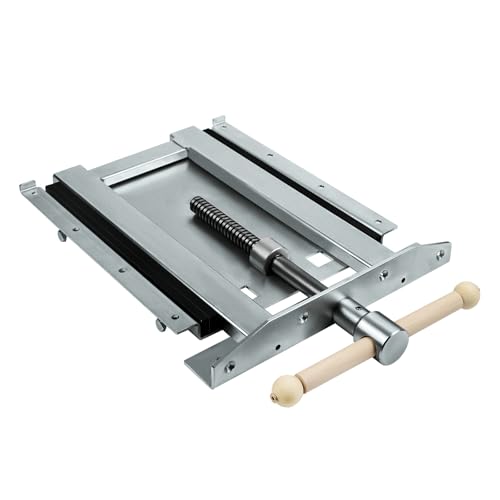
Adjustable Woodworking Vise 33302 for Custom Benchtops
This vise is designed to be built into a custom benchtop up to 23 inches thick, using twin guide rods to resist racking so wide panels clamp evenly. If you are building your own workbench, integrating the 33302 gives a clean, professional result.
Frequently Asked Questions
Can one vise handle both woodworking and metalwork?
Yes, with a compromise. A cast-steel vise with removable magnetic or wooden jaw pads, like the 4.5-inch model, protects wood while retaining metal-grip strength. Purists keep a dedicated wood vise and a metal vise, but for most home shops a single padded vise is enough.
How securely do clamp-on vises hold?
Clamp-on vises are fine for light sawing, gluing, and small metal filing, but they can shift under heavy hammering. If you regularly work steel or forge, bolt down a cast-steel vise instead for the added rigidity.
What throat depth do I need?
Throat depth is how far the jaws sit below the top of the vise, determining how deep a workpiece you can clamp. Two to three inches suits most tasks; deeper throats help when holding tall panels vertically for edge work.
Should I add jaw liners?
For woodworking, yes. Soft wood or aluminum liners over serrated steel jaws prevent dents and let you apply firm pressure without crushing the workpiece. Many metal vises accept slip-on magnetic pads that make this quick.
Final Thoughts
Choose based on your primary material. Metal fabricators should invest in the PONY 5-inch or the 4.5-inch anvil vise for their strength and pipe-holding ability. Woodworkers will get more out of the HFS front-screw vise or the built-in 33302. If you split your time or your budget is tight, the 4.5-inch vise with magnetic pads is the most versatile single purchase for a mixed home shop in 2026.