Key takeaways
- Blow out vents after every use: A quick shot of compressed air prevents the dust buildup that overheats motors.
- Store batteries at partial charge: Never leave lithium packs fully drained or baking in a hot garage over winter.
- Keep blades and bits sharp: A dull blade forces the motor to work harder; sharpen or replace them promptly.
- Inspect cords and belts monthly: Catch fraying, cracking, or stretching before it damages the tool or becomes a hazard.
Power tools are among the most expensive items in any garage, yet most people run them until they die and then buy a replacement. A little routine maintenance can double or triple a tool’s working life, keeping cutting speed high, batteries healthy, and motors cool. The difference between a drill that lasts five years and one that lasts fifteen is almost entirely how it was cared for between jobs.
This guide covers the practical maintenance habits that matter most in 2026, from cleaning and lubrication to battery care and knowing which wear parts to replace before they cause bigger damage. None of it requires special skill, just a few minutes after use and the occasional inexpensive part like a lube kit, a fresh belt, or a replacement battery.
Our top picks




As an Amazon Associate we earn from qualifying purchases at no extra cost to you.
⚡ Save on Your Next PC — Amazon Prime
Prime members get fast free shipping on the systems above, plus early access to Prime Day & Black Friday PC deals. New members get a 30-day free trial.
Watch: How to Properly Maintain Your Power Tools for Longevity — Video Review
Keep Tools Clean and Cool
Dust is the silent killer of power tools. It clogs motor vents, causing overheating, and it grinds away at moving parts. After each use, blow out the vents with compressed air, wipe the housing, and clear sawdust from chucks and blade guards. A cool-running motor lasts far longer, so never block the air intakes and give a hard-working tool a rest before it gets hot enough to smell.
Lubricate Moving Parts Regularly
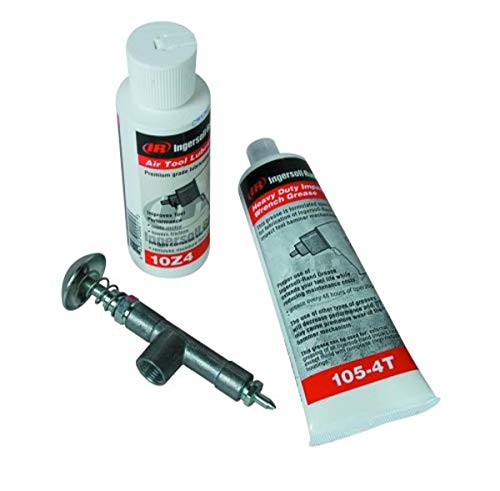
Tools with impact or reciprocating mechanisms need periodic lubrication to run smoothly and avoid premature wear. Air impact wrenches in particular thrive on a few drops of the right oil before each use, and a dedicated product like the Ingersoll Rand 105-LBK1 Lube Kit for impact tools keeps the internals slick and protected. Follow the manufacturer’s schedule and never over-oil, which can attract grit.
Care for Your Batteries
Lithium-ion batteries are often the costliest part of a cordless tool, so treat them well. Store them at a partial charge in a cool, dry place rather than fully drained or in a hot garage. Avoid running a pack completely flat, and charge it before long-term storage. When a battery finally loses capacity, a quality replacement such as an upgraded 18V pack for DEWALT XRP tools or a compatible Kobalt 40V replacement restores the tool for a fraction of buying new.
Replace Wear Parts Before They Fail
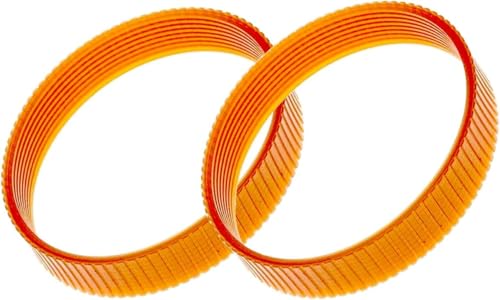
Belts, brushes, and blades are designed to wear out, and replacing them on time prevents damage to more expensive components. A stretched or cracked drive belt on a planer, for example, robs performance and can strain the motor; a fresh belt like the 5140010-28 planer drive belt for the DW735 restores full power. Inspect belts, cords, and carbon brushes periodically and swap them at the first sign of fraying or cracking.
Use the Right Power Supply
Undersized extension cords cause voltage drop that overheats corded tool motors and shortens their life. Match the cord gauge to the tool and distance, using a heavy 12-gauge outdoor cord like an Ultra Explorer SJTW cord for high-draw tools, and keep runs as short as practical. A proper cord protects the tool as much as it powers it.
Tips
- Blow out vents after every use: A quick shot of compressed air prevents the dust buildup that overheats motors.
- Store batteries at partial charge: Never leave lithium packs fully drained or baking in a hot garage over winter.
- Keep blades and bits sharp: A dull blade forces the motor to work harder; sharpen or replace them promptly.
- Inspect cords and belts monthly: Catch fraying, cracking, or stretching before it damages the tool or becomes a hazard.
Frequently Asked Questions
How often should I lubricate my air tools?
Add a few drops of air-tool oil before each use for impact wrenches and other pneumatic tools, and follow the manual for internal greasing intervals. A lube kit like the Ingersoll Rand 105-LBK1 makes this routine quick and keeps the mechanism from wearing prematurely.
What is the best way to store lithium-ion batteries?
Store them around 40 to 60 percent charge in a cool, dry spot, away from extreme heat or cold. Avoid leaving packs fully discharged for long periods, which can permanently reduce capacity, and top them up before extended storage.
When should I replace a tool’s drive belt?
Replace it at the first sign of cracking, glazing, or stretching, or when the tool loses power or slips under load. Running a worn belt strains the motor, so a timely swap with the correct part, like the DW735 planer belt, protects the whole tool.
Does the extension cord I use really affect my tools?
Yes. A too-thin or too-long cord causes voltage drop that makes corded motors run hot and wear out faster. Use a 12-gauge cord for high-draw tools and keep the run short to deliver full, clean power.
Conclusion
Maintaining power tools is not complicated, it is just consistent. Clean the vents, lubricate what moves, respect your batteries, replace wear parts before they fail, and feed corded tools with a properly sized cord. Spend a few minutes on these habits after each job and your tools will reward you with years of extra service in 2026 and beyond, saving you far more than the cost of the occasional belt, battery, or lube kit.