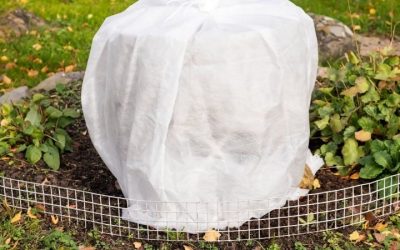
Winter storage starts with the materials, not the cover. Knowing how to store patio furniture in winter means deciding which frames can stay outdoors, washing away grime, drying every cushion, and preventing water from collecting around the furniture. A sturdy all-weather chair may need little protection, while woven resin, painted wood, and upholstered pieces benefit from a sheltered place. This job is manageable for most homeowners over a dry afternoon, although cleaning and drying may require additional time.
Quick Answer: Remove cushions and accessories, clean furniture with the method recommended for its material, and let everything dry completely. Move vulnerable pieces into a garage or shed; cover outdoor-rated frames with correctly fitted, ventilated covers, then secure them against wind and check for snow loads during the season.
As an Amazon Associate we earn from qualifying purchases.
By DIY Ideas 4 Home Editorial Team
Before You Start: Tools, Materials and Safety
The first decision is whether your furniture is designed for year-round exposure. POLYWOOD’s guidance says its own HDPE-lumber furniture can remain outdoors through snow and cold, while IKEA advises putting many plastic and synthetic-wicker products into a cool, dry storage area when freezing temperatures arrive. Follow your actual furniture’s care label rather than assuming two pieces with similar appearances are equally weather-resistant.
| Tool or Material | Size or Spec | Why You Need It | Substitute |
|---|---|---|---|
| Soft brush and cloths | Nonabrasive bristles and absorbent towels | Lift dirt without scratching finishes and dry joints | Soft sponge and old clean cotton towels |
| Mild soap and water | Check fabric and frame care tags | Remove organic residue before covering | Furniture manufacturer’s specified cleaner |
| Measuring tape | Measure width, depth, and height in inches | Choose a cover or storage space that fits | Rigid ruler for smaller pieces |
| Outdoor furniture cover | Correct size, ventilation, and attachment straps | Limit precipitation and airborne debris on frames | Dry indoor garage or shed storage |
| Shelving or blocks | Stable and suitable for furniture weight | Separate stored items from wet floors | Raised dry platform |
Choose Storage by Furniture Material
Powder-coated aluminum and purpose-built HDPE lumber commonly tolerate outdoor conditions better than lightweight brittle plastic or natural wicker. However, metal joints, exposed fasteners, finishes, and seating fabrics still warrant inspection. Steel furniture needs particular attention where coatings have chipped; moisture can encourage rust. An all-weather claim for one manufacturer’s product is not permission to expose every resin or wicker chair to ice.
Hardwood such as teak may be suitable for outdoor use when its maker permits it, but painted or oiled wood has finish-maintenance requirements. IKEA’s outdoor furniture care guidance says solid woods such as acacia and eucalyptus need periodic attention to reduce cracking. Natural rattan, delicate cane, and cushions are better stored under cover in a dry area. Consult the specific manual before applying oils, cleaners, or sealants, since an unsuitable treatment can alter the finish.
Plan a Dry, Accessible Storage Area
Pick a garage, enclosed shed, or similarly sheltered space where rain cannot blow onto fabrics and puddles do not reach furniture legs. Leave a path to household equipment and exits; an efficient storage arrangement should not create a trip hazard or block a garage door. Measure the actual furniture before planning to stack it. Only stack chairs or dismantle sections when the manufacturer designed the pieces for that procedure.
If indoor space is scarce, prioritize removable cushions, glass tabletops, natural wicker, and small lightweight accessories. A sturdy frame can often remain in a protected corner outdoors if its maker approves that use. An outdoor deck box can organize dry pillows, but its water-resistant construction should not be treated as a substitute for a dry indoor room in severe winter weather.
Handle Heavy Pieces and Glass Safely
Get assistance with bulky tables or sofas rather than lifting them by arms, woven panels, or glass tops. Remove glass inserts when the manufacturer’s instructions permit, cushion their edges, and store them upright in a protected, stable location where nothing can fall against them. POLYWOOD’s winter-storage guidance warns against stacking items on glass. Secure folding legs and loose hardware in a labeled container so parts are not lost before spring.
Keep patio heaters, propane fire tables, and gas cylinders out of ordinary furniture-storage assumptions. Fuel systems require their own manufacturer instructions and local fire-code requirements. Do not store a propane cylinder in a closed garage or living area simply because that is where the patio chairs go. If you are unsure how to disconnect or store fuel equipment, consult the manufacturer or a qualified service provider.
How to Store Patio Furniture in Winter Step by Step
A reliable routine separates cleaning, moisture control, physical protection, and winter checks. POLYWOOD’s updated winter-preparation guide emphasizes drying furniture before applying covers and securing anything left outside against wind. The following seven steps work for mixed patio sets, with material-specific decisions made before you move or treat a piece.
Step 1: Inventory and Sort Every Piece
Put frames, cushions, umbrellas, glass tops, outdoor rugs, and decorative accessories into separate groups. Look for labels beneath seats or on the underside of tables, record each maker’s outdoor-storage instructions, and photograph how modular sections connect. This prevents a rushed decision to leave a vulnerable cushion or wicker basket outside just because its frame has an outdoor rating.
Check for split slats, corrosion around bolts, loose welds, cracked plastic joints, and fraying fabric ties. Mark damage now rather than hiding it beneath a cover. A chair that feels unstable should be taken out of use until repaired or replaced; a storage cover does not make compromised joints sound again.
Step 2: Wash Frames Without Damaging Finishes
Brush leaves and loose grit from armrests, crevices, chair feet, and underside supports before wet cleaning. For many outdoor-rated plastic and coated-metal frames, a mild soap solution and a soft sponge will suffice, followed by a clean-water rinse and towel drying. POLYWOOD recommends soap, water, and a soft-bristle brush for its lumber, while warning against abrasives on coated aluminum.
Wood, natural wicker, and specialty finishes should receive only the cleaners allowed by their makers. Avoid directing a pressure washer into joints or woven material without express product guidance. If you find rust under chipped metal paint, photograph the damage and follow the furniture maker’s repair recommendations before long-term storage, rather than simply sealing the rust under a wet cover.
Step 3: Clean Cushions and Dry Them Fully
Remove seat and back cushions, fabric throws, and loose pillows. Brush off soil before it becomes embedded, then consult care tags to determine whether spot cleaning or machine washing is appropriate. Sunbrella’s official upholstery instructions specify one-quarter cup of mild soap in one gallon of lukewarm water for hand cleaning its removable fabrics. They also advise rinsing away soap and air drying; they caution that a removable cover is not automatically machine-washable because cushion construction varies.
Let both the fabric cover and inner foam become fully dry before putting them into storage. A surface that feels dry can conceal moisture deeper in thick cushions, so allow extra ventilation after cleaning or rain. Sunbrella notes that mildew may form on dirt and foreign material even when the fabric itself resists supporting mildew. Do not trap damp padding in an airtight bag and assume a water-resistant fabric label will prevent odor.
Step 4: Check Wood, Metal and Hardware
Examine wood for peeling coatings, soft spots, or loose joints. Make only the cleaning, drying, and finish repairs specified for that species and factory treatment. IKEA’s furniture-maintenance guide explains that its solid-wood outdoor products may require refinishing when their protective finish stops shedding water. A heavy new coat applied immediately before covering may remain tacky; let any approved finish cure as directed.
Inspect fasteners and welds on metal frames. Remove gritty debris and salt residue, then dry thoroughly, paying attention to hidden corners that receive little airflow. For woven furniture, avoid forcing stiff strands while the material is cold. If resin weaving is already brittle or cracked, indoor storage is safer than subjecting it to repeated winter movement.
Step 5: Move Cushions and Vulnerable Items Indoors
Place clean, fully dried cushions on a shelf or rack in a dry room, not directly against a garage floor that collects melted snow. Store cushions loosely enough to preserve their shape; avoid loading bins with heavy pots or tools that can flatten foam. Protect fabric from rodents while maintaining suitable ventilation, and make sure any storage bag is clean and dry before closing it.
Use interior dimensions rather than headline gallon capacity to judge a deck box. The Suncast DBW9200 product page lists a 99-gallon resin-wicker box with interior dimensions of 47.5 inches wide, 22.25 inches deep, and 22.5 inches high. Those figures help determine whether a particular cushion fits without folding. Its advertised water resistance is useful outdoors, but in a very damp setting, indoor shelving is the more cautious choice for fabric.
Step 6: Cover and Secure Remaining Outdoor Frames
Measure each assembled item at its widest, deepest, and tallest points, then choose a compatible cover that reaches the vulnerable parts without dragging through standing water. Classic Accessories’ fitting guidance stresses measurement of the complete item, including protruding chair arms and backrests. Avoid creating a flat depression over a table where rainwater and melting snow can pool; use a manufacturer-approved support where needed.
Wait until frames are completely dry, fasten all buckles or drawcords, and preserve the cover’s designed air vents. IKEA’s US TOSTERO cover instructions recommend a slight opening at the bottom for air movement because condensation can form beneath the cover. A water-resistant cover protects against weather exposure but cannot eliminate moisture from humid air. If the finish can react with a PVC-backed cover, follow the furniture maker’s compatibility advice and keep the fabric lifted off the surface.
Move covered pieces away from downspout discharge, snow-slide zones beneath roofs, and walkways treated with deicing salt. In windy locations, secure covers to the furniture using built-in fasteners and keep lightweight chairs from toppling. If the legs stand on ground that becomes saturated, move the furniture to a stable raised surface as long as doing so will not create tipping risk.
Step 7: Inspect After Storms and Before Spring
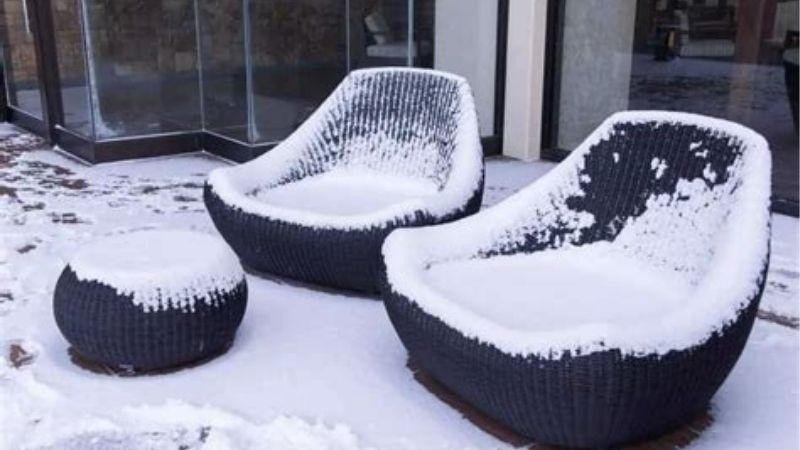
Visit the storage area after significant wind, freezing rain, or heavy snow. Brush off accessible snow with a soft tool rather than striking frozen fabric or fragile wicker. Look for loose straps, sagging covers, trapped water, pooling around chair legs, and signs that rodents reached stored cushions. POLYWOOD recommends checking outdoor furniture for excessive snow load and keeping covers secure during winter storms.
Before reopening the patio, uncover on a dry day and inspect fasteners, fabrics, frame joints, and wood finishes. Let any condensation dry before refitting cushions. If a cover repeatedly traps moisture, adjust its ventilation or change where the furniture sits rather than assuming thicker waterproof fabric alone will solve the problem. Record what worked so next winter’s storage is faster.
Products That Help
The Classic Accessories Veranda Adirondack Chair Cover, SKU 71932, is a targeted option for a matching chair left outdoors. Its official product page specifies a 31.5-inch length, 33.5-inch depth, and 36-inch height, with air vents and click-close securing straps. Buy it only after checking both dimensions and cover-material compatibility; it is water-resistant, not a guarantee that the chair will remain bone dry beneath it.
The Suncast DBW9200 99-Gallon Resin Wicker Deck Box is more useful for organizing cushions or small accessories that fit its published interior dimensions. Suncast describes weather-resistant resin and a padlock-ready lid. It is an outdoor storage option rather than an assurance against condensation, so choose dry indoor shelving instead for delicate or slow-drying cushions during prolonged wet weather.
Common Mistakes to Avoid
Covering furniture while it is damp can be worse than leaving an appropriate frame uncovered for a short dry spell. The other frequent mistake is treating all synthetic materials as the same: a manufacturer-approved all-season HDPE chair is not equivalent to thin injection-molded plastic or aging resin wicker. Never stack a chair that was not designed to stack, and do not put weight on glass tabletops in storage.
Likewise, a tight cover without ventilation may hold humid air against painted wood or metal. Allow enough airflow under the lower edge, check the manufacturer’s finish warnings, and keep the cover from sagging into a reservoir of meltwater. Separate fabric storage from snow-removal tools and deicing products so stored cushions do not absorb spills or odors.
Frequently Asked Questions
Winter care often depends on how cold the local climate gets and whether the manufacturer approved outdoor exposure. These answers address practical exceptions that matter when a patio set includes mixed materials.
Can Aluminum Patio Furniture Stay Outside All Winter?
Often yes, if the model is specified for year-round use and the coating is intact. POLYWOOD states that its own aluminum furniture can remain outside in all seasons; that claim should not be applied automatically to unmarked furniture from another brand. Inspect fasteners and finish damage, and use a ventilated cover if you want less spring cleaning.
Should Cushions Be Stored in Plastic Bags?
Only when the cushions are thoroughly dry and the specific bag and storage conditions suit the fabric. In a cool, damp garage, a sealed bag can trap existing moisture and encourage stale odors. IKEA recommends storing outdoor cushions in a dry, cool indoor place during the off-season. A clean breathable bag on elevated shelving is often more practical than a damp bag on the floor.
Can I Leave a Glass Patio Table Covered Outside?
Check the table maker’s winter-exposure instructions first. Some models can remain outside, but glass may be vulnerable to impact, shifting supports, and objects falling from above. If the top is removable and its maker recommends storage, protect its edges and place it in a secure location. Do not pile chairs, tools, or heavy boxes onto a glass tabletop.
What if I Have No Garage or Shed?
Prioritize indoor space for cushions and fragile accessories, then choose a sheltered outdoor position for frames approved for winter exposure. Measure for a well-fitted cover with secure attachments, keep airflow beneath it, and inspect after major storms. A balcony alcove can work for some all-weather furniture, but follow building rules, maintain emergency access, and secure loose objects against wind.
Final Thoughts
Before deciding how to store patio furniture in winter, check the care instructions for the least weather-resistant piece in your set. It may be cheaper and safer to reserve indoor space for that single cushion set or fragile table than to move every heavy frame. Start by measuring cushions and identifying what can truly stay outside, then buy storage or a cover only for the items that need it. Recheck the setup after the first winter storm to catch moisture and wind problems before they become spring repairs.