Key takeaways
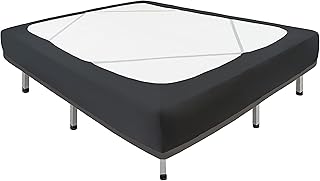
- Measure your existing foundation and confirm that it provides the required slat spacing and center support.
- Compare mattress height with your bed frame so the finished sleeping surface is not awkwardly tall.
- Give a new mattress several weeks before judging firmness, unless it causes immediate pain or obvious structural problems.
- Use a washable, breathable protector from the first night to preserve the trial eligibility and reduce wear.
What's inside
Buying a hybrid mattress is less about chasing the tallest profile or the most dramatic cooling claim and more about matching the build to how you sleep. A hybrid combines a spring support core with foam or another comfort layer, so it can feel more buoyant than an all-foam bed while still cushioning shoulders, hips, and lower back.
This guide takes a hands-on, practical approach to choosing the best hybrid mattress in 2026. You’ll learn how to compare coil systems, firmness, cooling materials, edge support, trial policies, and setup requirements, plus how several popular boxed mattresses differ on paper. The goal is a comfortable, durable choice—not simply the biggest mattress in the listing.
As an Amazon Associate we earn from qualifying purchases.


Choose the Right Hybrid Construction
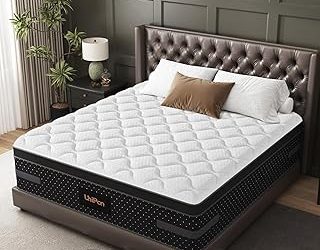
A useful hybrid normally has three working zones: a quilted cover, a comfort layer, and a pocket-coil support core. Individually wrapped coils compress more independently than interconnected springs, which can reduce motion transfer and allow targeted support. Look for clear information about coil construction rather than relying only on terms such as “luxury” or “advanced.”
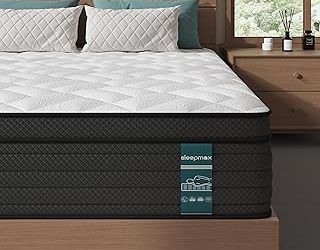
Foam thickness also matters. A thinner comfort layer usually creates a firmer, more responsive feel, while thicker memory foam can provide deeper pressure relief but may make changing positions harder. The Sleepmax 14-Inch Hybrid and Novilla 14-Inch Cooling Hybrid both emphasize foam, coils, and pressure relief in their descriptions. They may suit sleepers who want cushioning without giving up the lift of springs, but your body weight and preferred firmness still matter more than the label.
Match Firmness to Your Sleep Position
Side sleepers generally need enough give at the shoulder and hip to keep the spine level. A medium or medium-soft surface can help, although heavier side sleepers may need a firmer support core underneath. Back sleepers often prefer medium-firm support that prevents the pelvis from sinking too far. Stomach sleepers typically benefit from a firmer, less sink-prone surface.
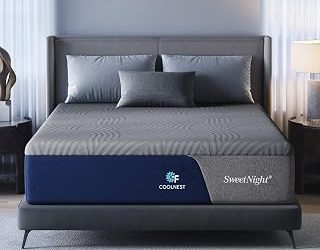
Be cautious when comparing firmness ratings across brands: there is no universal scale. The Sweetnight CoolNest 14-Inch Hybrid is described as medium firm and includes seven-zone support, while the 16-Inch Luxury Hybrid also highlights seven-zone support and a medium-firm feel. Those details are useful starting points, not guarantees. If two people share the bed, prioritize the position and comfort needs of the more sensitive sleeper—or consider a split setup if the retailer offers one.
Evaluate Cooling Without Falling for Hype
Cooling starts with the whole mattress, not one gel-infused layer. Pocketed coils allow air to move through the support core, while breathable covers and less heat-trapping foams can improve comfort. A pillow top may feel plush, but extra quilting and dense foam can also retain warmth depending on the sleeper and bedroom.
Products such as the Sweetnight CoolNest and the Novilla Cooling Hybrid specifically emphasize airflow, cooling materials, or gel memory foam. Treat these as design clues rather than promises of a cold sleeping surface. Your sheets, mattress protector, room temperature, humidity, and body temperature have just as much influence. For hot sleepers, choose breathable bedding and avoid a fully waterproof protector unless you need its specific protection.
Check Support, Motion Isolation, and the Edges
Lie in your usual sleeping position and pay attention to whether your hips sag, your shoulder feels compressed, or your lower back is unsupported. Zoned coils can add reinforcement under the lumbar area while allowing more give around the shoulders, but zoning is only helpful if it lines up with your body and sleeping posture.
Motion isolation is particularly important for couples. Memory foam can absorb movement, while pocket coils usually perform better than traditional interconnected springs. No hybrid completely eliminates disturbance, so look for a stable edge and a support layer that does not wobble when one partner moves. The Queen 14-Inch Luxury Hotel Cooling Hybrid lists individual pocket springs and extra hip, shoulder, and lumbar support; those features are worth considering if both sleepers need distinct support zones.
Plan for Delivery, Expansion, and the Trial Period
A mattress in a box is convenient, but it is still a heavy piece of furniture. Measure doorways, stair turns, bed frames, and the room where you’ll unpack it. Use two people for a queen or king, place the rolled mattress on the correct foundation, and follow the maker’s expansion instructions. New-foam odor is common; ventilation can help, but do not sleep on the mattress until the manufacturer says it is ready.
Several listed models advertise a 365-night trial, including the Sleepmax, DreamCloud 12-Inch Queen Hybrid, and some luxury-style options. Read the actual terms before buying. Confirm the required break-in period, return pickup process, foundation rules, and whether the trial is available in your location. A long trial is valuable only when returning the mattress is practical.
Tips
- Measure your existing foundation and confirm that it provides the required slat spacing and center support.
- Compare mattress height with your bed frame so the finished sleeping surface is not awkwardly tall.
- Give a new mattress several weeks before judging firmness, unless it causes immediate pain or obvious structural problems.
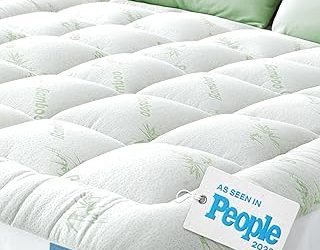
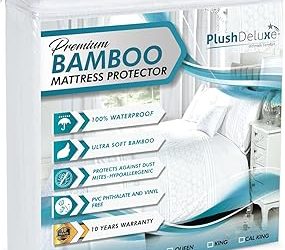
- Use a washable, breathable protector from the first night to preserve the trial eligibility and reduce wear.
Frequently Asked Questions
Are hybrid mattresses better than all-foam mattresses?
Neither is automatically better. Hybrids usually provide more bounce, airflow, and edge support, while all-foam beds can offer quieter movement and a deeper, more enveloping feel. Choose based on your sleep position, heat sensitivity, and whether you prefer easy movement or strong contouring.
What mattress thickness should I choose?
Thickness mainly describes the total height, not guaranteed quality. A 12-inch hybrid can support many sleepers perfectly well, while 14- or 16-inch models may add comfort layers and a taller profile. Check the construction, foam density, coil support, and your preferred feel rather than buying by height alone.
Is fiberglass-free construction important?
It can be, particularly if you plan to remove or wash the cover. A mattress labeled fiberglass-free gives clearer information about its fire-barrier materials. Always follow the care instructions and never remove a mattress cover unless the manufacturer explicitly permits it.
Can a hybrid mattress go on any bed frame?
No. Most hybrids need a sturdy platform, adjustable base, or properly spaced slats with center reinforcement. An unsuitable frame can cause sagging, noise, or a rejected warranty claim. Check the manufacturer’s foundation requirements before opening the mattress.
Conclusion
The best hybrid mattress in 2026 is the one that supports your sleeping position, controls pressure without excessive sink, and fits your room, frame, and return plan. Compare the actual layers and coil design, treat cooling language realistically, and use the trial period as a testing window. Among the options discussed, Sleepmax, Sweetnight, Novilla, DreamCloud, and the taller luxury-style hybrids offer different starting points—but your ideal balance of firmness, motion control, and breathability should make the final decision.