why does my heater smell: A mild, short-lived dusty smell after seasonal startup can occur, but persistence or any electrical/gas smell must not be normalized. Carbon monoxide itself has no smell.
Quick Answer: A brief dusty smell after restarting a heater can come from built-up dust. Rotten-egg odor may signal a gas leak; leave immediately; a burning plastic or electrical odor calls for stopping the heater if safe and arranging inspection.
A suspected natural gas leak or carbon monoxide alarm is an evacuation situation. Carbon monoxide itself has no smell; a sulfur odor is not a way to detect it.
As an Amazon Associate we earn from qualifying purchases.
By DIY Ideas 4 Home Editorial Team
Why This Happens: Causes and Warning Signs
Each line below ties a real-world decision to a visible outcome and an explicit limit. Start with the first check that fits the symptom rather than treating the whole list as required repairs.
| Decision point | Owner action | Result to check | Stop or exception |
|---|---|---|---|
| Classify the odor before investigating | From a safe position, decide whether the odor is briefly dusty, musty, melting-plastic-like or sulfur/rotten-egg-like. | Note whether it follows seasonal startup or persists and worsens. | For suspected natural gas, leave immediately without operating switches. |
| Respond to suspected electrical overheating | If a portable heater smells of burning plastic or hot wiring, stop using it and unplug only when safe to do so. | Check externally for discoloration, a damaged plug or a hot outlet without touching dangerous parts. | Do not restart a suspect unit to see whether the odor returns. |
| Check minor dust causes only after danger is excluded | Power the electric heater off, unplug it and let it fully cool before checking accessible exterior air grilles. | Remove only exterior dust as described in that model manual. | Do not disassemble a burner, heating element or electrical housing. |
| Escalate fuel or persistent odors | Arrange qualified HVAC inspection for recurring fuel-equipment, oily or unexplained heating odors. | Report the type of odor, when it began and equipment model. | A CO alarm is an independent evacuation emergency; carbon monoxide itself is odorless. |
Dusty startup smell or a dangerous odor?
Carrier identifies temporary dust burn-off as possible; worsening or persistent odor needs inspection.
Describe the odor in ordinary words before reaching for a cleaning tool. Dusty, earthy, oily, sulfur-like, and melting-plastic odors call for different responses, and the location where you notice them matters. A smell present only when the heat first starts after months of inactivity is not the same as an odor that grows stronger throughout the day. Note whether it comes from one portable heater, every central-air vent, or an adjacent outlet. Do not deliberately lean over an operating heater to identify a stronger smell. If the source is unclear or the odor is sharp, persistent, or accompanied by an alarm, stop normal use and seek qualified help.
Rotten-egg gas odor or CO alarm
Con Edison directs immediate exit, call 911/utility from safe place, no indoor electrical devices or flame.
A sulfur or rotten-egg odor should never be used as a do-it-yourself diagnostic challenge. Natural gas is commonly odorized to make leaks more noticeable, while carbon monoxide itself has no smell. Treat a suspected fuel leak as a reason to leave the building, keep others out, and contact emergency services or the utility from a safe location. Trying to find the leak by operating a thermostat, switching a heater on, or checking connections risks making the situation worse. A CO alarm likewise requires immediate response even if the room smells completely ordinary. Neither absence of odor nor absence of a visible flame proves that indoor air is safe.
Dusty smell at seasonal startup
Vornado says dust/hair/debris buildup can produce heater odors and recommends cleaning external grilles.
For a mild dusty odor on an otherwise normal electric heater, the sensible maintenance boundary is usually the outside of the appliance. Once it is switched off, unplugged, and fully cool, inspect user-accessible grilles for hair, lint, or dust; follow the maker’s instructions for removing it. Check that bedding, curtains, and clothing have not collected close to an intake or outlet. Do not direct liquids into the heater or remove a safety cover to reach a heating element. After approved cleaning, return the unit to its prescribed location and observe whether the odor continues. Repeated or worsening odor is a service decision, not an invitation to clean deeper.
Hot plastic or electrical smell
Carrier names burning plastic, electrical smells, oil odor, mustiness, rotten egg/sulfur as diagnostically distinct.
Musty, oily or persistent unusual odors
CDC advises annual inspection of oil/gas-burning heating equipment by qualified technician.
How to Interpret the Evidence
Accumulated dust may produce an odor when heating restarts.
Natural gas is odorized; CO is a separate odorless combustion hazard.
How to Check the Problem Safely
Begin with observable conditions and proceed only through permitted user controls. A safety alarm, damaged part, live connection or inaccessible component ends the do-it-yourself path.
Step 1: classify the odor before investigating
From a safe position, decide whether the odor is briefly dusty, musty, melting-plastic-like or sulfur/rotten-egg-like. Note whether it follows seasonal startup or persists and worsens.
For suspected natural gas, leave immediately without operating switches.
The CDC advises that CO is odorless and colorless; do not confuse sulfur odorized fuel with carbon monoxide.
Build a short record that separates the heater from other possible odor sources. Was a new rug, cleaning product, furniture finish, or stored item introduced near the air intake? Does the odor also occur when the heater is off? Is it stronger near the equipment or throughout the ducted system? These observations can help an HVAC professional consider ventilation and surrounding materials without assuming a single cause. Avoid spraying fragrances into a return grille or placing scented objects on a warm appliance to mask the problem. Concealing an odor can also conceal the warning pattern that would otherwise prompt necessary inspection.
Step 2: respond to suspected electrical overheating
If a portable heater smells of burning plastic or hot wiring, stop using it and unplug only when safe to do so. Check externally for discoloration, a damaged plug or a hot outlet without touching dangerous parts.
Do not restart a suspect unit to see whether the odor returns.
After a suspected ordinary dust event, watch for practical evidence of normal operation rather than relying on how long the odor lasts alone. The heater should work without smoke, discolored plastic, unusual buzzing, a hot or scorched plug, or recurring power interruption. A circuit that trips, a warm electrical connection, or a smell that reappears every time the unit is used changes the decision: discontinue use and obtain proper service or replacement advice. For a fuel-fired central system, arrange qualified inspection rather than opening burner compartments. Keep a working, correctly installed CO alarm as a separate safety measure; it is not a substitute for maintenance.
Check minor dust causes only after danger is excluded
Power the electric heater off, unplug it and let it fully cool before checking accessible exterior air grilles. Remove only exterior dust as described in that model manual.
Do not disassemble a burner, heating element or electrical housing.
Step 4: escalate fuel or persistent odors
Arrange qualified HVAC inspection for recurring fuel-equipment, oily or unexplained heating odors. Report the type of odor, when it began and equipment model.
A CO alarm is an independent evacuation emergency; carbon monoxide itself is odorless.
Products That Help
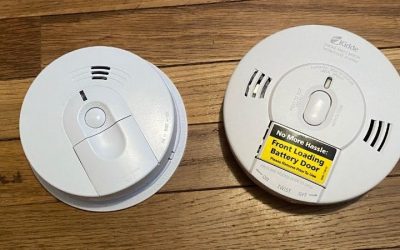
Useful supplies for the specific checks above can include carbon monoxide alarm, natural gas alarm and system-compatible furnace filter. Confirm the exact size, device compatibility and applicable maintenance instructions first. Equipment and tools do not remove the need to stop for a safety fault.
When to Call a Pro
For suspected natural gas, leave immediately without operating switches. A CO alarm is an independent evacuation emergency; carbon monoxide itself is odorless.
Give the service provider the model number, the symptoms in time order, your observed operating conditions and any displayed fault code. Do not open sealed electrical, refrigerant or combustion components to collect this information.
Frequently Asked Questions
The answers below separate normal operation, owner-accessible checks and conditions that require manufacturer support or professional service.
Is a heater supposed to smell when first turned on?
A mild dusty smell can occur at the first heating-season startup, as Carrier explains. It should not be treated as harmless if it continues, intensifies or turns electrical.
Why does my portable electric heater smell dusty?
Accumulated hair and dust on accessible grille areas can create an odor when warmed. Unplug, cool and clean only as the model manual permits; stop for a hot-plastic smell.
Does a rotten-egg smell mean carbon monoxide?
Not directly. Carbon monoxide has no odor. Rotten-egg or sulfur odor can warn of odorized natural gas, which warrants immediate evacuation and calling from a safe place.
Can I keep running a heater that smells like melting?
No. Switch off and unplug only if safe; do not run a unit with an electrical-burning or melting-plastic odor again until it has been assessed.
Final Thoughts
From a safe position, decide whether the odor is briefly dusty, musty, melting-plastic-like or sulfur/rotten-egg-like. A CO alarm is an independent evacuation emergency; carbon monoxide itself is odorless.