When designing a highly functional kitchen, a dedicated workshop, or a hybrid creative studio, the surface you work on defines your daily experience. The debate between a hardwood butcher block vs stainless steel workbench top isn’t just about aesthetics; it is a fundamental choice between organic warmth and industrial utility. Homeowners often find themselves torn. Do you want a surface that ages gracefully, absorbs sound, and doubles as a massive cutting surface, or do you need an indestructible, sterile workspace that can handle sizzling hot pans, paint spills, and heavy impact without flinching?
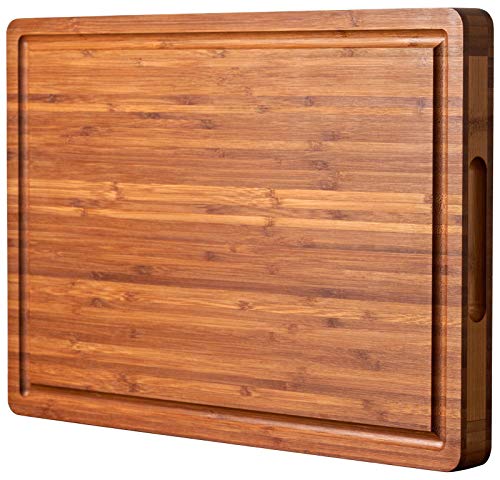
Before committing thousands of dollars to a full-scale countertop renovation, many homeowners test their preferences on a smaller scale. For instance, you might use a high-quality prep accessory like the Allsum Extra Thick Wood Cutting Board for Kitchen, Reversible and Durable ($21.99) or the premium American Walnut Wood Cutting Board, End Grain Butcher Block for Kitchen ($69.99) to see how you tolerate the maintenance, oiling, and cleaning routine of natural wood. On the other side of the spectrum, those leaning toward an industrial aesthetic might experiment with freestanding utility stations, such as the portable VEVOR Stainless Steel Foldable Work Table, 48 * 24 Inch Heavy Duty Food Outdoor Double Layer Stainless Steel Worktable for Commercial Kitchen Restaurant ($123.41) or a permanent heavy-duty fixture like the HARDURA Stainless Steel Prep & Work Table 24 x 60 Inches Backsplash ($209.99). Ultimately, choosing between a built-in hardwood butcher block and a stainless steel workbench top requires weighing comfort, hygiene, and long-term durability.
Our top picks


As an Amazon Associate we earn from qualifying purchases at no extra cost to you.
Quick Verdict
If you prioritize a warm, inviting home aesthetic, enjoy the tactile feel of natural materials, and don’t mind routine oiling and sanding, a hardwood butcher block is your best choice. It softens the acoustics of a room and can be restored to pristine condition even after deep scratches. However, if your priority is absolute utility, heat resistance, effortless sanitization, and zero maintenance, a stainless steel workbench top is the superior option. It is built to endure the harshest kitchen, garage, or craft tasks without staining, cracking, or absorbing odors.
Side by Side
To help you visualize how these two powerhouse materials stack up, here is a direct comparison of their key performance factors in a residential setting:
| Feature | Hardwood Butcher Block | Stainless Steel Workbench Top |
|---|---|---|
| Comfort & Acoustics | Warm to the touch; absorbs sound and vibrations. | Cold to the touch; noisy and prone to clanging. |
| Durability | High, but susceptible to water damage, deep burns, and gouges. | Exceptional; impervious to water, rust, heat, and chemicals. |
| Price Range | $300 to $1,500+ depending on wood species and thickness. | $150 to $800 depending on steel gauge and frame. |
| Maintenance | High; requires monthly oiling, waxing, and periodic sanding. | Low; requires only simple wiping with soap or stainless cleaner. |
| Space & Weight | Very heavy; requires robust cabinetry support (typically 1.5" to 3" thick). | Lighter overall; relies on hollow construction with under-channel support. |
| Look & Feel | Traditional, rustic, warm, and highly customizable. | Modern, industrial, sterile, and professional. |
| Resale Value | High in residential kitchens; widely appealing to buyers. | Niche; appeals to modern design fans, serious chefs, or hobbyists. |
| Best For | Baking, light food prep, dining islands, and cozy aesthetics. | Heavy meal prep, canning, garage workshops, and messy crafts. |
Where Hardwood Butcher Block Wins
Hardwood butcher block is the undisputed king of residential warmth. Unlike cold metal or stone, wood acts as a natural thermal insulator. When you lean against a maple, walnut, or cherry countertop, it immediately feels comfortable and inviting. This organic quality makes it a favorite for open-concept kitchens where the island serves as both a prep station and a homework hub for kids.
Acoustics play a major role in home comfort. Dropping a ceramic bowl or a set of keys on a hardwood surface results in a soft, muffled thud rather than the sharp, echoing clang of metal. If you enjoy a quiet kitchen environment, wood is vastly superior at dampening ambient noise.
Furthermore, hardwood butcher block is incredibly forgiving on glassware, ceramics, and cutlery. While you should still use a dedicated cutting board for raw meats to prevent bacterial contamination, accidental knife slips won’t instantly dull your blades. Best of all, wood is completely renewable. If you burn it with a hot skillet, stain it with red wine, or gouge it with a heavy tool, you can simply sand down the affected area with 120-grit and 220-grit sandpaper, apply a fresh coat of food-safe mineral oil, and restore it to its original beauty.
Where Stainless Steel Workbench Top Wins
If your daily routine involves high-heat cooking, messy projects, or heavy-duty crafts, stainless steel is practically bulletproof. Commercial kitchens around the world rely on stainless steel for a reason: it is completely non-porous. It will not absorb liquids, food colorings, acids, or oils. You can spill lemon juice, tomato sauce, or even harsh garage solvents on a 14-gauge or 16-gauge stainless steel top, let it sit for hours, and wipe it away with zero permanent staining.
Hygiene is another massive benefit. Because bacteria, mold, and viruses have no pores or cracks to hide in, a quick spray of mild disinfectant makes a stainless steel surface sterile. It is also completely impervious to water damage; you can leave wet sponges or dripping dishes on it indefinitely without worrying about rotting, warping, or joint separation.
Heat resistance is where stainless steel truly leaves hardwood in the dust. You can take a cast-iron skillet directly out of a 450°F oven and place it directly onto a stainless steel workbench top without a trivet. There is no risk of scorching, cracking, or melting. For home brewers, canners, and avid bakers who work with boiling liquids, this level of heat tolerance provides unmatched peace of mind.
Cost Over 5 Years
When evaluating the true cost of ownership, you have to look beyond the initial purchase price to include installation, tools, and ongoing maintenance supplies.
A high-quality 8-foot maple or walnut butcher block countertop typically costs between $400 and $1,200 up front. Over five years, you will need to purchase food-grade mineral oil, beeswax creams, sandpaper, and potentially a hand-sander. Assuming you oil the wood every six weeks, you will spend roughly $30 to $50 per year on maintenance supplies, bringing your five-year total cost to approximately $550 to $1,450.
Conversely, a commercial-grade stainless steel workbench top or freestanding table of the same size generally runs between $200 and $600. Because stainless steel requires absolutely no specialty sealants, waxes, or oils, your ongoing maintenance cost over five years is virtually zero. Aside from standard dish soap or an occasional $10 can of stainless steel polish to restore its luster, there are no hidden expenses. This makes stainless steel the clear champion of long-term budget efficiency, costing roughly $250 to $650 over a five-year span.
Which One for Your Home
The right surface depends heavily on your living situation, family dynamic, and how long you plan to stay in your current residence.
Small Apartment
In a cramped apartment, versatility and mobility are everything. A heavy, built-in hardwood butcher block can make a small kitchen feel dark or overly crowded. A stainless steel utility table with a lower shelf offers a sleek, space-saving profile. It provides an excellent industrial-chic vibe and serves as an extra prep station, a dining surface, or even a desk. Plus, the open bottom shelf allows you to store bulky appliances like stand mixers or air fryers, maximizing your limited square footage.
Family with Kids and Pets
Busy households require surfaces that can survive chaos. Kids drop juice boxes, scrape toys across counters, and leave sticky messes in their wake. If you choose wood, you will constantly worry about water rings from forgotten cups or permanent marker stains. Stainless steel stands up to the absolute worst daily abuse without blinking. While it will show fingerprints and superficial hairline scratches over time, it can be sanitized in seconds, keeping your family’s food prep area completely germ-free.
Rental Property
If you are renting, making permanent structural changes is out of the question. Installing custom hardwood countertops is a waste of capital. Instead, look for freestanding, non-permanent furniture. A mobile stainless steel cart or a folding work table is ideal because it requires no installation, protects your security deposit, and can easily be packed into a moving truck when your lease ends.
Long-Term Home
For a home you plan to live in for decades, integrating a permanent hardwood butcher block into your kitchen layout—especially on a central island—adds incredible warmth, character, and resale value. As we look toward home design trends in 2026, the integration of warm, organic textures like walnut and oak remains a dominant preference for high-end residential spaces. It breaks up the monotony of painted cabinetry and cold stone countertops, creating a natural focal point that feels expensive and custom-tailored.
FAQ
Can you cut directly on a stainless steel workbench top?
No, you should never use kitchen knives directly on a stainless steel surface. Because steel is incredibly hard, it will instantly dull, chip, or roll the delicate edges of your blades. Always use a wooden or plastic cutting board on top of the metal to protect your cutlery.
How often do you need to seal or oil a hardwood butcher block?
When first installed, a hardwood butcher block should be oiled once a week for the first month. After that, you should apply food-safe mineral oil or a beeswax blend once every 4 to 6 weeks, or whenever the wood begins to look dry, pale, or starts absorbing water droplets instead of shedding them.
Do stainless steel workbench tops scratch easily?
Yes. While stainless steel is structurally incredibly tough and won’t crack or chip, it is prone to superficial hairline scratches from sliding pots, pans, and utensils. Over time, these small scratches blend together to form a soft, matte look known as a “work patina,” which many home chefs and designers actually prefer.
Can you install a kitchen sink directly into a hardwood butcher block?
Yes, but it requires meticulous installation and sealing. Water is the natural enemy of wood. The exposed cutouts around an undermount or drop-in sink must be coated with multiple layers of marine-grade varnish or water-resistant polyurethane to prevent moisture from seeping into the wood grain, which causes black water stains, rot, and joint splitting.