Key takeaways
- Edge height: 2.5 inches is enough for groceries and strollers, 3.5 to 4 inches is needed for wet dogs, plants, and coolers.
- Threshold lip: A 1 to 1.5-inch lip at the tailgate prevents water from running off the liner onto the bumper and back under the mat when you brake.
- Seamless corners: Thermoformed liners with rounded, welded corners hold liquid better than flat mats with stitched or folded corners.
The best cargo liners for most drivers are custom-fit TPE or TPO liners with 3 to 4-inch raised edges, a textured non-slip surface, and split-fold sections that stay put when you fold second or third-row seats.
Unlike universal flat mats, a good cargo liner contains spills, traps dirt and pet hair, and lifts out in seconds for cleaning without soaking your factory carpet. The right choice depends less on brand and more on how your vehicle is used: daily groceries versus dogs, lumber, and camping gear need very different levels of coverage and material stiffness.
Our top picks
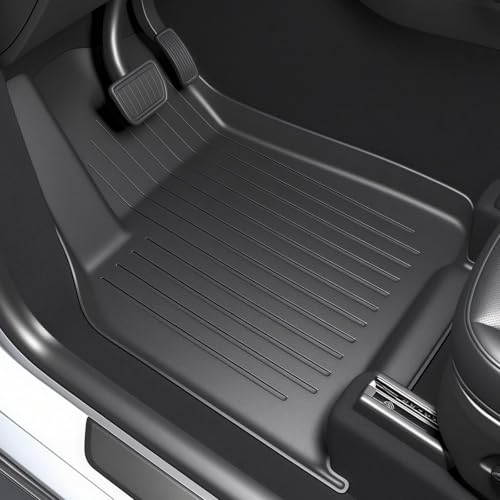

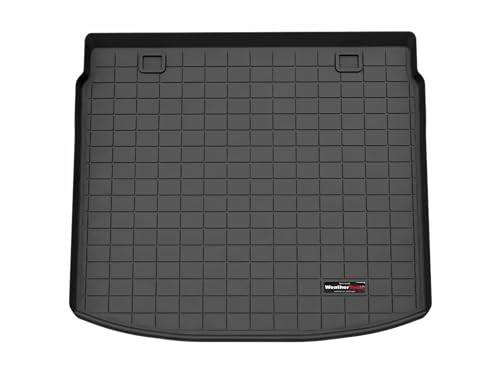

As an Amazon Associate we earn from qualifying purchases at no extra cost to you. Ratings are shown as listed on Amazon.
What Makes a Cargo Liner Actually Protect Your Vehicle
Cargo liners look simple, but protection comes from five details working together. Get these right and the liner will handle muddy boots, leaking grocery bags, and shedding pets without sliding or curling.
1. Vehicle-Specific Fit vs. Universal Fit
Custom-fit liners are molded to your exact year, make, model, and trim, including cutouts for cargo hooks, subwoofers, and seat latches. They cover edge-to-edge and stay flat. Universal or trim-to-fit liners usually leave a 1 to 3-inch gap around wheel wells and the tailgate threshold, which is exactly where water and grit seep through to the carpet.
Choose custom-fit if you have a popular SUV, crossover, or minivan from the last 10 years such as Toyota RAV4, Honda CR-V, Ford Explorer, Subaru Outback, or Chrysler Pacifica. Choose universal only for older vehicles, leased work vans, or if you switch vehicles frequently and want a liner you can re-use.
2. Waterproof Materials and Construction
Most quality liners today are made from thermoplastic elastomer (TPE), thermoplastic polyolefin (TPO), or traditional rubber. Vinyl over carpet or fabric liners are not truly waterproof.
| Material | Typical Thickness | Waterproof | Flexibility in Cold | Weight (Midsize SUV Liner) | Best For |
|---|---|---|---|---|---|
| TPE (Thermoplastic Elastomer) | 4.0 – 5.5 mm | Yes, fully | Excellent, stays flexible to -30°F | 7 – 10 lbs | All-season protection, families, snow and rain |
| TPO (Thermoplastic Polyolefin) | 3.5 – 5.0 mm | Yes, fully | Good, slightly stiffer than TPE | 6 – 9 lbs | Budget-friendly all-weather use |
| Traditional Rubber | 5.0 – 7.0 mm | Yes, fully | Fair, can stiffen and curl below 15°F | 9 – 13 lbs | Heavy-duty hauling, strong chemical resistance |
| Carpet / Fabric with Vinyl Backing | 8.0 – 12 mm | No, water seeps at seams | Good | 5 – 7 lbs | Light dust protection, premium look only |
TPE and TPO are the modern standard because they are lighter, odorless, and recycle more easily than older PVC or heavy rubber. Both resist motor oil, coffee, and pet accidents without staining. Heavy rubber still wins for sharp cargo like tools and firewood because it resists punctures better.
3. Raised Edges and Containment
Raised edges are what keep a melted ice bag or muddy paws from overflowing. Look for:
- Edge height: 2.5 inches is enough for groceries and strollers, 3.5 to 4 inches is needed for wet dogs, plants, and coolers.
- Threshold lip: A 1 to 1.5-inch lip at the tailgate prevents water from running off the liner onto the bumper and back under the mat when you brake.
- Seamless corners: Thermoformed liners with rounded, welded corners hold liquid better than flat mats with stitched or folded corners.
If you regularly carry liquids, measure your cargo floor depth. In many compact SUVs the floor to window line is only 14 to 16 inches high, so a 4-inch wall still leaves plenty of loading height while containing up to 1.5 gallons of spilled liquid before it reaches the carpet.
4. Folding Sections for Split Seats
Most SUVs and crossovers have 60/40 split second rows. A one-piece liner forces you to remove the entire mat to fold one seat. A liner with scored folding sections or a separate bumper flap solves this.
- Integrated hinge lines: Allow the liner to fold with the seat without removing it. Best if you fold seats weekly for kids’ bikes or Home Depot runs.
- Two-piece or three-piece designs: A main cargo tray plus a separate seat-back protector. More coverage but slightly more complex to remove.
- No-fold solid tray: Maximum spill containment, but you must slide it out to use the full floor. Choose this only if you rarely fold seats.
5. Non-Slip Surface and Underside
A smooth surface lets groceries slide and slam into the tailgate. A good liner has a textured top that grips boxes and a bottom that grips carpet.
- Top texture: Look for diamond, honeycomb, or ribbed patterns with 1 to 2 mm depth. This adds friction without trapping dirt permanently.
- Underside: Nibs or anti-skid coating prevents the liner from shifting during cornering. Avoid liners that rely on Velcro alone, as adhesive weakens with dust and heat.
- Seat-back protectors: Should have the same texture and secure with headrest straps or factory anchor points, not just hook-and-loop.
Best Cargo Liner Type For Your Situation
Use this matrix to match your use case instead of browsing by price alone. General market ranges for quality liners are usually $90–$180 for custom-fit compact SUV models and $120–$250 for larger SUVs and minivans with seat-back coverage.
| Your Situation | Recommended Liner Type | Key Features to Prioritize | What to Avoid |
|---|---|---|---|
| Family with kids and daily errands | Custom-fit TPE tray, 2.5-3 inch walls | Rounded edges, easy rinse, nibbed back | Heavy rubber that is hard for one person to lift |
| Dog owner, beach and trails | Custom-fit TPE with 3.5-4 inch walls + seat-back cover | Fully waterproof, high walls, textured grip, bumper flap | Carpet liners or low-edge universal mats |
| DIY, gardening, and hardware hauling | Heavy-duty TPE or rubber, 5mm+ thick | Puncture resistance, rigid walls, chemical resistance | Thin TPO that dents under toolboxes |
| Renter or lease with frequent vehicle changes | Universal TPO trim-to-fit | Can be cut with scissors, lightweight, low cost | Expensive vehicle-specific molded tray |
| Need full flat floor for camping/sleeping | Split-fold TPE with hinge lines | Folds with seats, stays flat, no hard lip at hinge | Solid one-piece tray that blocks folding |
Real-World Fit and Installation Details
Even a perfect liner fails if it doesn’t clear your vehicle’s features. Before buying, check these measurements:
- Cargo length and width: A midsize SUV like a Toyota Highlander has roughly 48 inches of cargo floor length behind the second row and 42 to 44 inches between wheel wells. A custom liner will be within 0.25 inch of those dimensions. A universal mat often covers only 40 x 36 inches, leaving exposed carpet strips.
- Clearance around latches: The liner should have precise cutouts for tie-downs and seat latches. If it covers a latch, you will have to punch a hole and break the waterproof seal.
- Doorway and removal: Most liners roll or flex to fit through a 36 to 40-inch wide liftgate opening. Rigid liners that do not flex need to be slid out flat, which requires clearing 48+ inches outside the vehicle to shake out debris.
- Weight for cleaning: A TPE liner for a compact SUV weighs about 7 to 8 lbs dry and is easy to carry with one hand to a driveway for hosing off. A thick rubber liner for a full-size SUV can weigh 12 lbs and becomes unwieldy when holding a gallon of water.
- Thickness at the tailgate: If the liner is thicker than 6 mm at the threshold, some power liftgates may detect resistance. TPE liners under 5.5 mm typically close without interference.
Ease of Removal and Cleaning
The main advantage of a liner over factory carpet is clean-up time. Good designs clean in under 3 minutes.
- One-person removal: Look for built-in handles or a flexible material that lets you lift one side and slide debris toward the tailgate without spilling over the edge.
- Hose and shake: TPE and TPO can be hosed off, wiped with mild soap, and air-dried in 15 to 20 minutes. Rubber can be cleaned the same way but takes longer to dry due to deeper grooves.
- Stain and odor: Closed-cell TPE does not absorb milk, fish water, or pet urine. Carpet liners do absorb and will hold odor even after shampooing.
- Maintenance frequency: For families, a quick shake-out weekly and a rinse monthly keeps grit from abrading the liner surface. For pet owners, rinse after each beach or trail trip to prevent salt and sand from wearing the texture smooth.
To clean, slide the liner partially out, tip the far edge up so debris falls out the tailgate, then hose from the vehicle side outward. Avoid pressure washers above 1500 PSI directly on textured surfaces, as they can erode the non-slip pattern over time.
What Brands Actually Offer in 2026
You don’t need to chase new names. Established all-weather brands continue to cover most fitments. Instead of focusing on marketing claims, compare specs that matter:
- WeatherTech Cargo Liner and WeatherTech HP: Known for high-wall, laser-measured fit and rigid containment. HP line is the softer TPE version that is easier to remove.
- Husky Liners WeatherBeater: TPO-based, typically slightly softer and lighter than traditional rubber, often with lifetime warranty coverage.
- MAXLINER and Smartliner: TPE options that usually include textured surfaces and split-fold options at a general market range of $90–$150 for compact models.
When comparing any of these, request the exact material thickness, edge height, and whether seat-back protectors are included or sold separately. Those three numbers tell you more than product photos.
Common Mistakes to Avoid
- Buying a cargo tray without checking if your trim has a Bose or JBL subwoofer in the cargo sidewall. The tray must have a raised pocket for it or it will rock.
- Choosing a universal liner to save money, then adding towels around the gaps. The towels wick water under the mat and cause mildew.
- Ignoring the bumper protector. Loading a heavy stroller or kennel drags grit across the painted bumper. A 6 to 10-inch fold-out flap prevents scratches and is usually included with better custom kits.
- Using carpet cleaner or armor-type sprays on TPE. They leave a slick film and defeat the non-slip texture. Use plain water or diluted dish soap only.
FAQ
Will a cargo liner interfere with my spare tire access?
Most custom liners have a cut line or separate panel over the spare tire well. You can lift the liner section without removing the whole mat. Universal mats often cover the pull handle entirely, so you have to remove the mat to reach the spare.
Can I use a cargo liner with a third row?
Yes, but you need a model designed for third-row use. Some liners cover only behind the third row when it is up, about 18 to 22 inches deep, and extend to 48+ inches when the third row is folded. If you use the third row daily, choose a liner with a fold-out extension rather than a single long tray that blocks seat function.
Do cargo liners make sliding heavy items harder?
Yes, intentionally. The textured non-slip top increases friction. If you regularly slide 50+ lb boxes in and out, look for a liner with directional ribs that allow sliding front-to-back but grip side-to-side, or add a separate low-friction cargo slide over the liner only when loading heavy items.