How to Remove Oil Stains From Concrete Step by Step
If you need to know how to remove oil stains from concrete, begin by soaking up any liquid oil, then use a cleaner that is compatible with the surface and the type of stain. Fresh leaks can often be improved with an absorbent and repeated mild degreasing. Old, dark stains have penetrated porous concrete and may need several controlled treatments; a spotless result is not guaranteed.
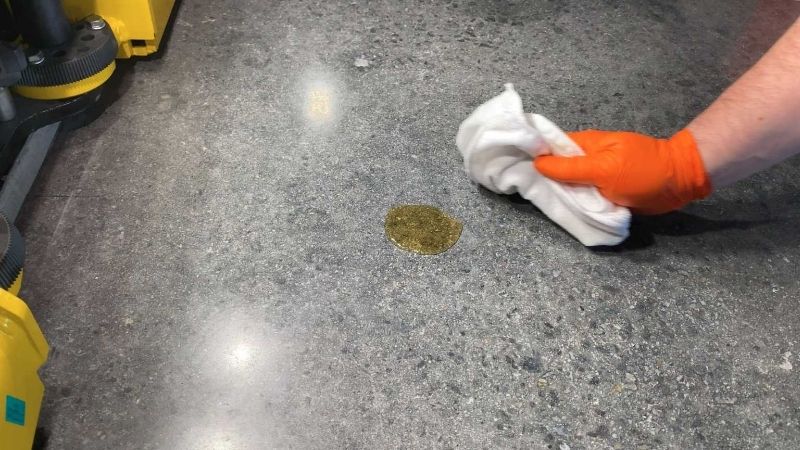
Quick Answer: Stop the leak, absorb the pooled oil with suitable granules or pads, sweep up the residue, scrub the remaining stain with a concrete-approved degreaser, and collect contaminated waste. Repeat after the slab dries if necessary. Never hose oil, detergent, or solvent into the street or a storm drain.
Oil stains are a common garage and driveway problem because concrete has connected pores that allow liquid to travel below the visible surface. A pressure washer alone usually spreads contamination and may roughen a vulnerable slab. This guide starts with the least aggressive cleaning and explains how to escalate safely when a stain remains.
As an Amazon Associate we earn from qualifying purchases.
By DIY Ideas 4 Home Editorial Team
First Identify the Stain and the Concrete Surface
The right approach depends on what the stain is and how porous the surface is, so identify both before you scrub. Fresh oil, a set-in stain, and sealed versus bare concrete each respond to very different treatments.
Fresh spills versus older absorbed oil
Fresh oil is often shiny, slippery, or tacky. It may still spread when touched with a disposable absorbent pad. Act immediately by containing its edges and lifting liquid before it sinks deeper. An old stain may be dry at the surface but leave a dark outline in the concrete pores. Heat, time, and repeated vehicle leaks can make that mark difficult to remove completely.
Distinguish engine oil from cooking grease, brake fluid, transmission fluid, or unidentified industrial chemicals. Different fluids have different hazards and cleaning requirements. If there is a large spill, strong fumes, unknown liquid, or contamination near a drain, stop and use an appropriate professional spill-response service rather than experimenting with household chemicals.
Bare concrete versus sealed, stained, or coated concrete
A broom-finished bare driveway tolerates some cleaning methods that a decorative stamped driveway, epoxy garage floor, or painted patio does not. Check for gloss, a coating film, or water beading. Harsh degreasers and abrasive brushes can remove existing sealant, discolor decorative treatments, or dull a coating. Try any product in a hidden area and follow the coating manufacturer’s cleaning directions.
Very old concrete may have a weak or spalling surface that loses material during heavy scrubbing. If sand or flakes come off in your hand, choose a softer brush and avoid pressure washing. Cleaning is not a solution for damaged concrete; surface repair may be necessary once the contamination is addressed.
Choose a Safe Oil-Stain Removal Method
| Stain condition | First action | Next option | Avoid |
|---|---|---|---|
| Fresh oil sitting on top | Absorbent pad or granules | Concrete-approved mild degreaser | Spraying it toward drains |
| Light residue after a recent spill | Stiff nylon brush and compatible detergent | Repeat small-area cleaning | Metal wire brushing soft concrete |
| Old dark engine-oil stain | Concrete-specific degreaser | Purpose-made oil-stain poultice if labeled for the finish | Expecting a single rinse to erase it |
| Oil on decorative or coated concrete | Check coating manufacturer guidance | Spot test approved cleaner | Strong solvents that strip the coating |
| Large or unknown fluid spill | Isolate the area and control runoff | Qualified hazardous-spill help | Combining chemicals or using gasoline |
Why absorbent material is the first step
Clay-based spill absorbent, oil-only pads, and some non-clumping kitty litter products can lift free liquid before it enters the concrete. Spread an even layer over the wet spot, allow contact as directed, then sweep or scoop it carefully into a suitable container. Repeat until no visible liquid remains. Absorbents work best on new spills; they cannot pull every molecule out of a stain that has been embedded for months.
The EPA advises cleaning up spilled motor oil and not washing oil, grease, or automotive fluids into streets or storm drains. Follow local requirements for disposing of oil-soaked granules and rags; large quantities and certain fluids may require hazardous-waste handling. Do not burn or compost contaminated material.
When dish soap or concrete degreaser makes sense
A small light mark may respond to a little dish detergent and a nylon scrub brush. However, many household soaps are not formulated for outdoor concrete and can create excessive foaming or residue. A dedicated concrete-compatible degreaser may be more effective on baked-on petroleum stains. Read dilution, dwell time, PPE, and rinse/collection instructions; “stronger” does not automatically mean safer.
Do not mix bleach with ammonia, acids, or other cleaners. Do not use gasoline, paint thinner, or other highly flammable petroleum solvents to dissolve an oil stain. These options introduce fire, inhalation, environmental, and surface-damage hazards without guaranteeing a good result.
How to Remove Oil Stains From Concrete in Eight Steps
Step 1: Stop the leak and protect the surroundings
Move the leaking vehicle to a drip tray or arrange a repair before cleaning, or the mark will reappear. Check the driveway slope and locate storm drains, planting beds, and garage drains. Keep pets and children clear of oily surfaces and cleaning products. Wear non-slip shoes, gloves, and eye protection suitable for the chosen cleaner.
Step 2: Contain and absorb the wet oil
Work from the perimeter inward with absorbent pads or granular material so you do not spread the spill. Apply enough to cover the liquid, following package directions for contact time. For a fresh small drip, blotting with disposable absorbent pads can help. Never use a garden hose at this stage. Sweep the saturated material into a container without kicking up dust.
Step 3: Sweep loose dirt before adding cleaner
After bulk oil removal, sweep sand, leaves, and loose grit from the target area. A dirty brush can grind abrasive particles into a decorative finish. If the concrete is cracked, take extra care not to drive oily liquid into the openings. Isolate nearby drains with approved temporary barriers or work with a wet-vac system suited to the wastewater, as local regulations allow.
Step 4: Test the cleaning product in a hidden spot
Read the label to confirm the degreaser is appropriate for bare, sealed, or coated concrete as applicable. Apply a small amount in an out-of-sight area, then check for bleaching, coating damage, or altered texture. If the spot test fails, stop and seek a cleaner approved by the surface manufacturer rather than trying increasingly harsh chemicals.
Step 5: Apply a controlled amount of cleaner
Use the stated dilution and a manageable work area. Gently work the solution into the stained pores with a nylon brush. Do not let a cleaner dry out if the label says to keep it wet. Excessive soaking may move the oil laterally rather than lift it. Avoid adding more chemical just because the stain looks dark during treatment; follow the dwell time stated by the manufacturer.
Step 6: Scrub and recover the dirty solution
Scrub in overlapping short strokes, focusing on the darkest area without gouging the slab. Recover contaminated liquid and residue through an appropriate absorbent or collection process rather than rinsing it directly into the storm gutter. For a garage floor, do not assume the floor drain is a sanitary sewer; confirm drainage rules before disposing of wastewater. A wet/dry vacuum is suitable only if rated for the material being collected and used according to its manual.
Step 7: Rinse or wipe only as directed
Some cleaners require a controlled rinse and collection; others are designed to dry into a removable poultice. Follow the actual system rather than adding water automatically. If rinsing is required, minimize water use and keep runoff contained. Pressure washing may help with certain outdoor surfaces after treatment, but it is not essential for small spots and can etch concrete if used carelessly.
Step 8: Let the concrete dry and reassess
A wet slab can look darker than its final color. Allow sufficient drying before deciding whether the stain remains. If residue is still visible, repeat a targeted treatment according to the cleaner’s instructions. For persistent old stains, consider a purpose-made poultice that draws oil from pores as it dries, provided it is compatible with your concrete. Set realistic expectations: deep, long-standing marks may fade rather than disappear.
Troubleshoot Oil Stains That Will Not Budge
The stain looks darker after cleaning
Wet concrete often appears darker, and suspended oil may redistribute if too much water was used. Wait until completely dry before assessing. If the outline widens, switch to a controlled small-area method and improve wastewater collection. Do not rapidly repeat strong applications without the product’s required interval.
The surface has a pale patch where you scrubbed
A whitish or lighter patch can mean the original stain lifted but cleaning also removed sealer, coating, dirt, or some surface pigmentation. Check the finish before doing more. Repeated harsh scrubbing can make a cosmetic difference worse. Decorative concrete may need a specialist to restore uniform appearance after the underlying stain is reduced.
An oily sheen keeps returning
Residual oil can migrate toward the surface as the temperature changes, or a vehicle may still be leaking. Check for a fresh source and use absorbent before repeating wet cleaning. For heavy contamination inside garage slabs, persistent odors or recurring oil may warrant an environmental or concrete specialist.
Prevent Future Oil Stains in the Garage and Driveway
Use a drip mat beneath older vehicles, service leaks promptly, and keep a small bag of suitable absorbent near the garage. When the concrete is clean and fully dry, a compatible water- or oil-repellent sealer may make later spills easier to remove, though it does not prevent every stain. Test finish and traction before applying. On a sealed slab, clean spills using products approved by the sealer manufacturer.
Why a quick response is more effective than a harsh cleaner
Time gives oil a chance to move into connected pores. Immediate absorption protects the surface without introducing large volumes of detergent or rinse water. Once the stain is established, measured repeat applications are usually safer than extreme pressure or improvised solvents.
What to do with used absorbent and cleaning waste
Place collected oil and debris in a suitable sealed container and follow municipal or county guidance for used-oil-contaminated waste. Disposal rules vary by type and quantity. Liquid used motor oil should go to an authorized used-oil collection or recycling program. Do not pour it into household drains, soil, or street gutters.
FAQs About Removing Oil From Concrete
Does baking soda remove motor oil stains from concrete?
Baking soda can absorb a small amount of fresh surface oil and provide mild abrasive action. It is less reliable for deeply embedded old petroleum stains than a properly chosen concrete degreaser or poultice. Remove loose oil first and keep residues out of storm drains.
Can I pressure wash an oil stain off a driveway?
Pressure washing may assist after pretreatment on durable concrete, but water alone often fails to remove absorbed oil and may spread contamination. Use a surface-safe setting, test first, and contain the dirty runoff. It is not a good first response to fresh liquid oil.
Will dish soap remove an old oil stain?
It may improve a light residue, but old dark stains usually require multiple treatments or a purpose-made cleaner. Choose a method according to the surface finish and check results only after the slab dries.
Can I use bleach or vinegar for motor oil?
Neither is a preferred first-line petroleum degreaser. Bleach introduces unnecessary chemical hazards, and acidic solutions can etch cement-based surfaces. Never mix cleaners. An absorbent followed by a compatible concrete cleaner is a safer starting point.
How do I stop the stain from returning?
Repair the leak, use a drip tray or oil-absorbent mat, keep the area clean, and consider a compatible sealer after the concrete is dry and free of contamination. A new stain will appear if oil keeps dripping, regardless of how well the previous one was cleaned.
Final Thoughts
The reliable approach to how to remove oil stains from concrete is gentle and deliberate: absorb first, pretreat with a compatible product, scrub without damaging the finish, control waste, and judge results after complete drying. A recent drip is easier to address than a years-old mark, so quick action matters more than a dramatic cleaning trick.
Avoid gasoline, unapproved strong acids, uncontrolled pressure washing, and washing oily water down street drains. If the concrete is decorated, coated, or fragile, test carefully. Even when an old stain cannot be fully erased, a safer cleaning approach can improve its appearance without creating larger problems for the slab or the environment.