Our Top Picks
 Eaton CHSPT2ULTRA Ultimate Surge Protection 3rd EditionEATON2.38 x 5.25 x 7.5 inches0.5 poundsCheck on Amazon
 Square D HEPD80 Universal Whole House Surge Protection80kA2.67 x 3.75 x 3.6 inches0.93 poundsCheck on Amazon
The best whole house surge protector for most homes is a UL 1449 listed Type 2 device that matches your panel and is wired in by a licensed electrician, and on paper our top pick is the Square D HEPD80, a universal 120/240V single-phase unit rated at 80 kA. Budget shoppers should look at the ABB THOMESURGEP, a Type 1 device at 36 kA, while the Siemens Boltshield FSPD140 is the premium choice at 140,000 amps.
Before you compare anything, one rule sits above every product here: these devices connect inside your main electrical panel, and that is not DIY territory. Service conductors on the line side of the main breaker stay energized even when the breaker is off, and a wrong connection can cause shock, arc faults or a fire. Use this page to build a shortlist, then bring the exact model to a licensed electrician who can confirm panel compatibility, grounding, lead length, permits and inspection.
Keep your expectations honest too. A surge protective device reduces the chance and severity of damage from utility switching, nearby lightning and grid faults. It does not eliminate the risk, and it will not make a direct strike harmless. Below you will find a comparison table, a full write-up of all eight products, and plain-language explanations of Type 1 versus Type 2, UL 1449 and what kA and joule ratings really tell you.
Top picks at a glance
Eaton CHSPT2ULTRA Ultimate Surge Protection 3rd Edition, 2.38" Length, 5.25" Width 7.5" Height

As an Amazon Associate we earn from qualifying purchases. Product prices and availability are accurate as of the date/time indicated.

Furniqro FHSPD108S Whole House Surge Protector for 108,000 Amps, Ultimate Surge Protection, Whole Home Surge Protector for Indoor/Outdoor Use, 120/240V


As an Amazon Associate we earn from qualifying purchases. Product prices and availability are accurate as of the date/time indicated.
Square D HEPD80 Universal Whole House Surge Protection Device, 1-Phase, 3-Wire for 120/240V, 80kA


As an Amazon Associate we earn from qualifying purchases. Product prices and availability are accurate as of the date/time indicated.
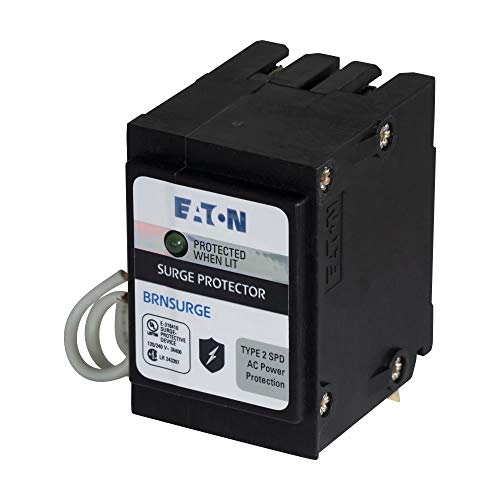
Type BR Circuit Breaker Surge Protective Device, Two Pole, Surge Protective Device


As an Amazon Associate we earn from qualifying purchases. Product prices and availability are accurate as of the date/time indicated.

ABB THOMESURGEP • Whole Home Surge Protection Device • Type 1 SPD • NEMA 3R | 36kA Capacity • External Mount • Pigtail • LED Indicator • Universal Load Center Compatible • UL Listed & ANSI Certified


As an Amazon Associate we earn from qualifying purchases. Product prices and availability are accurate as of the date/time indicated.

Siemens Boltshield FSPD140 Level 2 Whole House Surge Protection Device Rated for 140,000 Amps, 120/240V


As an Amazon Associate we earn from qualifying purchases. Product prices and availability are accurate as of the date/time indicated.

Furniqro FHSPD36S Whole House Surge Protector for 36,000 Amps, Ultimate Surge Protection, Whole Home Surge Protector, Indoor/Outdoor Use, 120/240V


As an Amazon Associate we earn from qualifying purchases. Product prices and availability are accurate as of the date/time indicated.

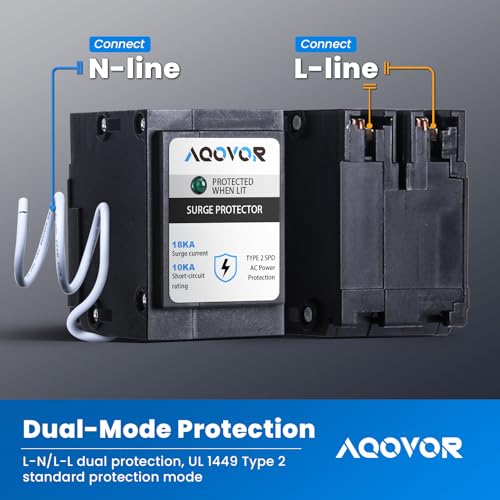
Type BR Whole-Panel Circuit Breaker Surge Protective Device (3-Pack)




As an Amazon Associate we earn from qualifying purchases. Product prices and availability are accurate as of the date/time indicated.
The table below covers every product in this roundup. Price tiers are relative to the other products here, and the live price appears on the product card.
| Model | Key spec | Price tier | Best for |
|---|---|---|---|
| Square D HEPD80 | Universal, 1-phase 3-wire 120/240V, 80 kA | Mid-range | Best overall, mixed or unusual panels |
| Siemens Boltshield FSPD140 | 140,000 amps, 120/240V, Level 2 name | Premium | Maximum rated capacity, storm-prone areas |
| Eaton CHSPT2ULTRA | 3rd Edition design, compact module | Mid-range | Homes with Eaton CH panels |
| Furniqro FHSPD108S | 108,000 amps, indoor/outdoor, 120/240V | Mid-range | High rating without a premium-brand price |
| ABB THOMESURGEP | Type 1, NEMA 3R, 36 kA, external mount | Budget | Budget Type 1, exterior mounting |
| Furniqro FHSPD36S | 36,000 amps, indoor/outdoor, 120/240V | Budget | Entry-level whole-house coverage |
| Eaton Type BR breaker SPD | Two-pole breaker-style, Type BR panels | Budget | Eaton BR load centers needing a simple add-on |
| AQOVOR Type BR whole-panel (3-pack) | Breaker-style SPD, 3 units | Mid-range | Shoppers who need multiple units; verify listing |
The eight whole house surge protectors in detail
Square D HEPD80: universal panel-mount SPD
The Square D HEPD80 is our top pick on paper because the title describes it as a universal whole house device for single-phase, 3-wire 120/240V service with an 80 kA rating. Universal here means it is designed to protect a panel from outside rather than occupying a breaker slot, which matters when your load center is crowded or when you are not sure which breaker family your panel accepts. These units generally connect to the service through a short run of wire and a conduit nipple at the panel, so your electrician will want to see where an available knockout and a clean mounting spot sit relative to the main breaker.
The 80 kA figure is a surge current capacity rating. It tells you how much surge current the device is built to handle, which relates to how many hits it can absorb over its life, not how low it clamps the voltage. For that second question, ask the electrician to check the Voltage Protection Rating on the label, because lower VPR numbers mean less voltage reaching your equipment. Whether this specific model is listed as a Type 1 or Type 2 device is not stated in the title, so confirm it on the listing and the nameplate before you buy.
As a rough estimate, an 80 kA device is well above what many homes need in everyday conditions, and it leaves headroom in regions with frequent thunderstorms or an unstable utility feed. Panel-side wiring should be as short and straight as possible, because long leads add inductance that raises the voltage your electronics actually see.
Pros
- Universal design does not depend on a specific breaker brand
- 80 kA capacity gives a comfortable margin for most single-family homes
- Does not use a breaker space in a full panel
Cons
- Needs a licensed electrician to wire and mount it, plus possible permit
- Type and VPR are not in the title, so check the listing
- Lead length depends on where the panel allows mounting
Who it’s for: homeowners with a mixed-brand or crowded panel who want a name-brand, panel-agnostic device.
Siemens Boltshield FSPD140: highest rated capacity
The Siemens Boltshield FSPD140 is the premium pick, and its title advertises a rating of 140,000 amps for 120/240V service, along with a Level 2 designation in the Siemens naming scheme. Treat Level 2 as a product-family label rather than a UL type: check the listing and nameplate to see whether the unit is evaluated as a Type 1 or Type 2 device under UL 1449. Siemens panels are common in newer construction, and a manufacturer-matched accessory is often what an electrician prefers because the mounting and wiring instructions were written with that panel family in mind.
A rating of 140 kA is the largest in this roundup. In practice, higher surge current capacity is about durability. A device with more capacity has more protective material in parallel, so each individual surge uses a smaller fraction of its life. That can matter in lightning-heavy regions or at homes at the end of a long overhead utility line. It does not guarantee a lower clamping voltage, so ask the electrician to compare the VPR figures between candidates, and remember that no rating converts a direct strike into a harmless event.
Based on specifications alone, this is the device to pick if you value the margin and are happy to pay for it. Keep a record of the install date, and check the indicator light on the unit whenever you open the panel cover area for any other reason.
Pros
- Largest stated capacity in this group at 140,000 amps
- Established panel brand with installation documentation
- Good fit for storm-prone areas or long overhead service lines
Cons
- Highest price tier in the roundup
- Level 2 wording is not the same as UL 1449 Type 2; verify the actual listing
- Extra capacity does not replace point-of-use protection
Who it’s for: homeowners in lightning-prone regions who want the largest margin and will have an electrician install it.
Eaton CHSPT2ULTRA: compact module for Eaton CH panels
The Eaton CHSPT2ULTRA is labelled Ultimate Surge Protection 3rd Edition, with dimensions in the title of about 2.4 inches long, 5.25 inches wide and 7.5 inches high. The model name reads as a plug-on design for Eaton CH series load centers, and the T2 in the code points to a Type 2 device, but both of those are inferences from the name, so confirm compatibility and type on the listing. The 3rd Edition wording refers to the generation of the UL 1449 standard the product was designed to meet.
The appeal of a plug-on module is lead length. Because it sits directly in the panel, the connection to the bus is very short, and short leads help the clamping voltage stay low. It also keeps the exterior of the panel clean, with no extra enclosure on the wall. The compromise is flexibility: it generally works only with the panel family it was built for, and it may take up breaker spaces you need. Ask the electrician to count open spaces before you order.
The kA rating is not in the title, so look for the surge current capacity and VPR table on the product page. Do not assume that a bigger case means a bigger rating; compare the numbers printed on the label with the other candidates.
One more practical point: dimensions printed in a title are the module size, not the clearance your panel needs. Your electrician will check that the cover, neighboring breakers and any wire routing leave room for the module to seat fully, and that the door still closes. If your panel is a different brand, even a similar-looking Eaton module is the wrong part, so read the compatibility line before you add it to a cart.
Pros
- Short internal connection helps keep let-through voltage down
- No separate enclosure or conduit run on the wall
- Matches an established panel manufacturer
Cons
- Intended for compatible Eaton panels only
- May use up breaker spaces
- Rating details are not in the title
Who it’s for: owners of an Eaton CH panel with free spaces who want a tidy, manufacturer-matched add-on.
Furniqro FHSPD108S: high rating, indoor or outdoor
The Furniqro FHSPD108S claims 108,000 amps and says it is suitable for indoor or outdoor use on 120/240V service. That puts the stated capacity close to the premium range at a mid-range price tier. A number like 108,000 amps is often the total across protection modes, such as line-to-neutral, line-to-ground and line-to-line, rather than the capacity of any single path, so ask for the per-mode or per-phase figure if the listing provides it, and compare it with other products on the same basis.
The indoor and outdoor wording suggests an enclosure with some weather resistance, but the title does not give a NEMA rating, so check the listing and the product label. Also look for three things before you let anyone mount it: a visible UL 1449 listing, a stated Type, and a status indicator that is easy to see from the panel. If any of those are missing from the documentation, move on to a product that publishes them.
Based on the specification alone, this is a reasonable value pick for buyers who want a large capacity number without paying for the panel makers’ brand name. The tradeoff is support and documentation: manufacturers with a long history in panels tend to publish longer installation guides and compatibility tables.
Estimated-use note: for a typical house with underground service, a unit like this is probably more capacity than you will consume day to day, so the real differentiators are documentation, the status indicator and how quickly the manufacturer answers warranty questions. Ask the seller for the installation manual before purchase, and let your electrician read it first.
Pros
- High stated capacity for the price tier
- Indoor/outdoor wording gives mounting flexibility
- Works with 120/240V single-phase residential service
Cons
- Headline number may be an all-modes total, so compare carefully
- Less brand history than the panel manufacturers
- Type and weather rating must be verified on the listing
Who it’s for: shoppers who want a high stated rating at a mid-range cost and are willing to verify the paperwork.
ABB THOMESURGEP: Type 1 at an entry price
The ABB THOMESURGEP is the most clearly specified budget device here. The title states Type 1, NEMA 3R, 36 kA, external mount, pigtail leads, an LED indicator, compatibility with universal load centers, and a UL Listed and ANSI certified description. A NEMA 3R enclosure is intended for outdoor use, protected against rain and sleet, and external mounting keeps the device from taking a breaker space. The pigtail leads simplify wiring but, again, your electrician needs to keep them as short as the layout allows.
The Type 1 designation means UL 1449 allows the device to be placed on the line side of the main disconnect as well as the load side, which gives your electrician installation options. Type 1 units must also meet a higher nominal discharge current requirement than many Type 2 devices, so the classification itself is a quality signal. At 36 kA the capacity is lower than the premium models, but for a typical home with underground service and moderate storm exposure, that is a sensible level.
The LED indicator makes it easy to see whether the protection circuit is still alive. Make it part of your routine to glance at it every few months and after any severe storm.
Because the enclosure mounts outside the panel, the electrician has to route a short conduit or nipple connection and choose a spot that keeps the pigtails brief. In a garage or utility room, that is usually easy. On a crowded exterior wall with a meter, disconnect and cable runs, it can be harder, so ask for a site check rather than assuming the budget unit will be the cheapest overall once labor is counted.
Pros
- Type 1 classification with clear documentation in the title
- NEMA 3R exterior-rated enclosure and LED status light
- Lowest price tier in the roundup
Cons
- 36 kA is the lowest capacity among the panel-brand options
- External mounting needs wall space and a conduit path
- Still requires professional installation
Who it’s for: budget-conscious homeowners who want a documented Type 1 device.
Furniqro FHSPD36S: entry-level whole-house protection
The Furniqro FHSPD36S is the smaller sibling of the 108,000 amp model, with a stated 36,000 amps, 120/240V compatibility and indoor/outdoor use. At the budget tier, it is for homeowners who want some protection at the panel but do not live in a high-risk lightning area. A capacity of 36,000 amps is similar to the ABB figure on paper, though the two numbers may not be measured the same way, which is exactly why you should ask for the per-mode ratings.
Here is the practical question to answer before purchase: what happens to value when the protection ends? Surge devices have finite life, so a lower price makes replacement less painful. If the plan is to install a unit, check the indicator annually and replace it after a heavy storm season, an inexpensive device with a clear status light can be a rational choice. The cost of professional installation often exceeds the cost of the device itself, so choosing a unit you trust matters more than saving a few dollars.
As always, the exact UL 1449 listing, type and VPR values should be on the product page. If the seller cannot show a UL mark and listing number you can look up, skip it.
A sensible way to think about the entry tier is as a first layer you can upgrade later. If the panel already has a documented device that has aged out, replacing it with a similar low-cost unit and adding quality point-of-use strips for the expensive electronics is a defensible plan. Skipping protection entirely because the premium options seem excessive is the choice we would argue against.
Pros
- Budget tier with 120/240V residential compatibility
- Indoor/outdoor flexibility according to the title
- Low replacement cost if the unit is used up
Cons
- Lower capacity gives less margin in severe weather areas
- Type, VPR and enclosure rating are not in the title
- Installation labor may cost more than the unit
Who it’s for: homes with underground service and moderate storm exposure that want a low-cost first layer.
Eaton Type BR breaker SPD: two-pole add-on for BR panels
This Eaton device is a two-pole surge protective device in the Type BR breaker format, which means it is a breaker-style module that sits in your load center’s slots rather than mounting outside. The title gives no kA figure, so the capacity and VPR must be taken from the listing. The advantage of this format is simplicity: no wall enclosure, no conduit and a short connection path between the bus and the protective components, which supports low let-through voltage.
Compatibility is the whole story. Breaker-style devices are designed and listed for specific panel families, and installing the wrong style into a panel is a code violation and a fire risk. Match the BR format to your panel’s printed labeling, not to what looks similar. If your panel says Eaton BR or lists BR-compatible breakers, ask the electrician to confirm the model, and have them check that two adjacent spaces are open.
It is also an inexpensive path for a home that has a spare pair of slots and wants a documented, brand-matched solution. Just remember that a breaker-style SPD uses space you might later want for an EV charger or heat pump circuit.
Estimated-use note: breaker-style devices generally need no more wiring work than a standard two-pole breaker, which can keep labor modest, but the electrician still has to confirm the neutral and ground connections that the specific model requires. Ask whether the unit comes with its own lead or bonding hardware, and whether the panel’s directory should be marked so a future owner does not remove it.
Pros
- Panel-integrated format with a very short connection path
- Budget tier from a recognized panel brand
- No external enclosure to mount
Cons
- Uses two panel spaces, which some full panels lack
- Works only with compatible BR panels
- Capacity and type details are not in the title
Who it’s for: owners of a BR panel with two free spaces who want the simplest brand-matched option.
AQOVOR Type BR whole-panel (3-pack): verify before you buy
The AQOVOR listing is a 3-pack of breaker-style surge protective devices in the Type BR format, described as whole-panel protection. A typical single-family home with one panel needs one properly selected whole-house device, so a multiple pack raises questions: what are the three units for, and where would each be installed? Do not place several breaker-style SPDs in one panel because the pack suggests it. Ask the electrician whether a sub-panel or a detached garage panel could justify an additional unit, and what spacing rules apply.
The title does not state the surge current rating, the voltage protection rating or the UL 1449 type. Because AQOVOR is not a long-established panel manufacturer, the burden is on you to find the listing evidence: a UL mark on the product, a file number that matches the manufacturer in the UL database, and a compatibility statement naming the panel families it supports. If any of those cannot be found on the listing or in the manual, treat this as a pass.
The mid-range tier reflects the pack, not necessarily a higher-quality device. Per-unit cost can look attractive, but protective gear is where documentation counts more than a low unit price.
If the listing includes a manual, read the compatibility table line by line and send it to your electrician; compatibility tables are where mismatched purchases are caught. If the manual is missing, or the photos show no UL mark, the price difference against a name-brand single unit is not worth the uncertainty, because the device sits permanently inside the panel.
Pros
- Multi-pack could cover a main panel plus sub-panels, if appropriate
- Breaker-style format avoids external enclosures
- Per-unit cost may be lower than single name-brand modules
Cons
- Ratings and listing details are not in the title
- Pack quantity is not needed in most homes
- Panel compatibility must be confirmed before ordering
Who it’s for: buyers with several panels who can verify the UL listing and have an electrician approve each location.
How we picked these
This roundup was prepared by the Editorial team, and our testbench is published specifications, manufacturer documentation and buyer reviews. We did not install, open, stress or measure any of these devices, and nothing here is a lab result. Whole-house surge protectors connect to the service entrance, which is exactly the type of work that should be left to licensed professionals, and we would not recommend anyone test them informally at home.
What we did instead was compare the information each listing publishes. We looked at the stated surge current rating, the voltage and phase configuration, the form factor (breaker-style, plug-on or external), and whether the title mentions a UL 1449 type, an enclosure rating or a status indicator. Where a title omitted a key fact, we said so and told you to check the listing. We also gave extra weight to products from companies that make panels, because their documentation usually spells out which panels are compatible.
Buyer reviews were used as a pattern check, not as a score. We looked for recurring themes you should verify yourself: panel-fit problems, installers who found missing hardware, indicator lights that behave oddly, and warranty or support responsiveness. We do not quote star ratings or review counts, because they change daily. Price tiers are relative to this group only.
Finally, we weighed what a homeowner can actually act on. A great spec sheet is useless if your electrician cannot fit the unit into your panel, so the advice here is to treat each product as a candidate and run it past the person who will install it.
What to look for in a whole house surge protector
Whole-house devices share a few basics, but the details on the label decide whether a unit helps or just looks reassuring. This section explains the terms you will see on listings and what each one means for your decision.
Type 1, Type 2 and Type 3: where the device lives
UL 1449 sorts surge protective devices by where they are allowed to be installed. A Type 1 device is a permanently connected unit that may be installed on the line side of the service disconnect, between the utility transformer and the main breaker, and it can also be used on the load side. A Type 2 device is permanently connected and installed on the load side of the main breaker, which is where most residential units live. Type 3 devices are point-of-use protectors, such as plug-in strips, installed at least 10 meters of conductor length away from the service panel.
Type 1 does not automatically mean better protection for your appliances. It means the device was evaluated for a more demanding installation location and can be placed there. Plenty of homes are well served by Type 2 devices, and your electrician will recommend based on your service and local code. In recent editions of the National Electrical Code, new dwelling unit services are generally expected to include surge protection, but adoption varies by jurisdiction, so local rules apply.
UL 1449 and the Voltage Protection Rating
UL 1449 is the safety standard for surge protective devices in the United States. A product listed to it has been evaluated for safe failure behavior and tested for performance, including a measured limiting voltage that appears as the Voltage Protection Rating, or VPR. A lower VPR means less voltage passes through to your equipment, so when two devices have similar capacity, compare VPR. Look for a UL mark and a file number you can search, not just the words UL compliant, which can be marketing language.
The edition matters less than the existence of a real listing. You may see 3rd Edition or 4th Edition on a label; the point is that a current listing exists and covers the model you are buying. If a seller offers no way to verify it, do not install it in your panel.
kA ratings and joules: what they actually measure
The kA figure on a whole-house unit is the maximum surge current it is designed to handle, and it relates to durability: more capacity means each event consumes a smaller fraction of the protective components. It is not a promise that the device can survive a direct lightning strike, because surge energy from a close strike can exceed any residential rating. Be careful with headline numbers. Some are quoted per phase, some per mode and some as the sum across modes, so a 108 kA unit and an 80 kA unit are not necessarily comparing the same thing.
Joules are the rating you see on plug-in strips. They describe energy absorption in a point-of-use device. Whole-panel units are normally rated in kA, so do not expect a joule number in the same place. A bigger number on either scale helps with longevity, while VPR and short wiring decide how much voltage gets through.
Panel compatibility and mounting style
Whole-house devices come as breaker-style modules, plug-on modules and external units that mount beside the panel. Breaker-style and plug-on products must match your panel’s brand and series, and they use panel spaces. External units are more universal but need wall space and a conduit connection. An electrician can read the panel label, check clearances and tell you which format is safe. Do not force a mismatched module into a panel because it physically seems to fit.
Indicators, warranty and the electrician’s role
Choose a unit with a visible status light or alarm, since you cannot judge a surge protector by appearance. Read the warranty carefully: connected equipment coverage often depends on professional installation, registration and proof of purchase. Finally, hire a licensed electrician for installation, grounding checks and any permit, and have them keep leads short and straight. A well-chosen device installed with long loose leads can underperform a modest one installed neatly.
Mistakes buyers make
Treating it as a DIY project. Panel work exposes you to live service conductors, and a mistake can start a fire later. Buy the device only after your electrician has confirmed the model, and budget for labor and a possible permit.
Buying on the biggest number. Capacity is about durability, while VPR describes how much voltage still reaches your devices. A very large kA rating with long leads and a weak VPR is not automatically a better setup than a smaller unit installed cleanly.
Ignoring panel compatibility. A breaker-style or plug-on module is listed for specific panel families. Using a similar-looking part can void the listing and create a hazard. Photograph the panel label and the door chart and send them to your electrician before you order.
Skipping the listing check. If you cannot find the UL 1449 listing, type and VPR, you do not know what you bought. Titles that say surge protection or ultimate protection are not substitutes for a standards listing.
Forgetting point-of-use protection. A panel device reduces the big incoming surges, but electronics benefit from a second stage nearby, and many surges start inside the house. Keep quality strips on the TV, computer and network gear.
Never checking the indicator. The components wear out. A dark indicator light means your panel may be unprotected while you assume it is covered. Add it to your seasonal home checklist and replace the unit when the electrician says so.
Verdict
If we were shortlisting for an electrician visit, we would start with the Square D HEPD80 as the best overall choice: universal, clearly rated at 80 kA and from a panel manufacturer with long installation documentation. The ABB THOMESURGEP is the best budget pick because it spells out Type 1, NEMA 3R, 36 kA and an LED indicator right in the title, and the Siemens Boltshield FSPD140 is the premium option for anyone who wants the biggest stated capacity.
If your panel is Eaton, ask about the CHSPT2ULTRA or the BR breaker-style unit. Treat the Furniqro and AQOVOR listings as candidates that need extra verification of UL 1449 type, VPR and panel compatibility. Whichever you choose, have a licensed electrician install it, and remember that it reduces risk rather than removing it. If you are planning other whole-home upgrades, our guides to the best whole house humidifiers and whole house sediment filters cover products that also connect into your home’s systems, and the battery video doorbell guide covers low-voltage gear that benefits from protected circuits. If storms also bring outages where you live, our battery powered heater roundup is worth a read.
Frequently asked questions
Do I still need power strips if I install a whole house surge protector?
Yes. A panel-level device knocks down large surges that arrive through the utility service, but it cannot stop surges generated inside your home by motors, compressors and other appliances, and it sits some distance from your electronics. Plug-in protectors for the TV, computer and router add a second stage that clamps what the panel device lets through. Layered protection is the standard approach. Look for point-of-use strips that carry a UL 1449 listing, and replace them after a major surge event.
Can I install a whole house surge protector myself?
No. Installation happens inside the main electrical panel, where the service conductors stay energized even when the main breaker is off. Mistakes can cause shock, arc faults and fires, and many jurisdictions require a permit and inspection. Hire a licensed electrician, give them the exact model before purchase so they can confirm panel compatibility, and ask them to verify grounding and lead length. This guide is for choosing the product, not for DIY panel work.
What is the difference between Type 1 and Type 2 surge protective devices?
Both are permanently connected devices evaluated under UL 1449. A Type 1 device may be installed on the line side of the service disconnect, for example in the meter socket area, and can also be used on the load side. A Type 2 device is installed on the load side of the main breaker, typically inside the panel. Many homes use Type 2. Your electrician decides which type and location suits your service and local code.
How do I know when a whole house surge protector needs replacing?
Most units have a status light or alarm that shows whether the protection components are still working. Check it whenever you are near the panel, and after any nearby lightning strike or utility event. The components wear with every surge they absorb, so a unit that has taken several hits may be spent even if it looks fine. When the indicator shows a fault or goes dark, call your electrician for a replacement rather than leaving the panel unprotected.
Will a surge protector save my electronics from a direct lightning strike?
Not reliably. A surge protective device reduces the voltage and energy that reach your equipment, which helps with nearby strikes, utility switching and grid faults. A direct hit on or near your service can still exceed any residential device’s capacity and cause damage or fire. Treat surge protection as risk reduction, not a guarantee, and consider unplugging irreplaceable sensitive equipment during severe storms. Lightning protection systems are a separate discipline handled by qualified installers.