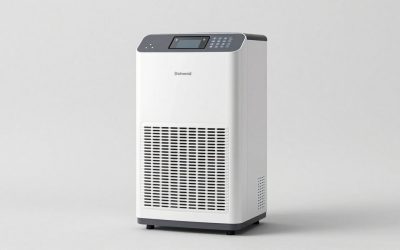
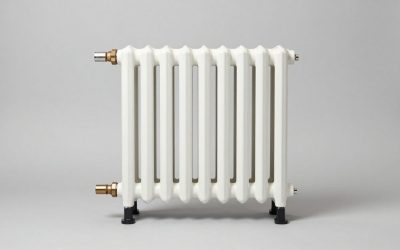
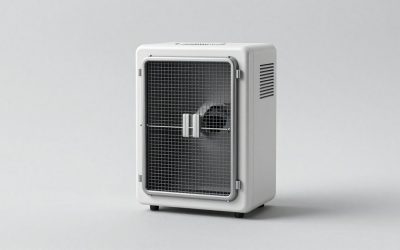
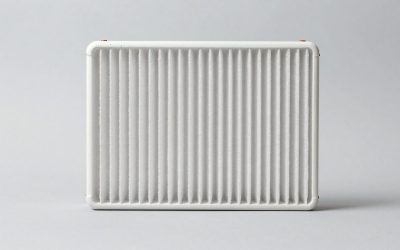
How to clean a space heater: A heater is not a washable appliance. Most owners should limit maintenance to the case, accessible grilles and any manufacturer-approved removable filter; do not spray liquid or improvise internal repair. Vornado says unplug heaters before cleaning; brush vacuum open grilles and wipe with soft, dry cloth.
Quick Answer: Turn off and unplug the space heater, let it cool fully, and use a soft dry cloth plus a vacuum brush on accessible exterior intake and exhaust grilles, following the exact owner manual. Never immerse, spray liquid into the housing or dismantle restricted components.
As an Amazon Associate we earn from qualifying purchases.
By DIY Ideas 4 Home Editorial Team
Before You Start: Tools, Materials and Safety
Dust on intake and exhaust grilles interferes with airflow; a portable electric heater must be disconnected and cool before you touch accessible surfaces. Consult the portable-heater upkeep manual and gather permitted materials before starting work. Safety requirements come before convenience
| Tool or Material | Size or Spec | Why You Need It | Substitute |
|---|---|---|---|
| Vornado Sensa heater | Match model or installation | Relevant only if needed for this task | Verify manual compatibility |
| Vornado SRTH heater | Match model or installation | Relevant only if needed for this task | Verify manual compatibility |
| Manufacturer instructions | Exact appliance or material | Confirm permitted steps and safety limits | Official technical support |
| Basic protective supplies | Appropriate for task | Protect nearby surfaces and collect debris | Use an approved equivalent |
Quick answer and what this guide covers
Unplug the heater, wait for it to cool fully and avoid opening the enclosure. CPSC advises placing space heaters at least 3 feet from combustibles when they are returned to service
Vornado SRTH manual identifies damaged heater as stop-use/consumer service rather than home repair. A similar sign on another portable-heater upkeep model may follow a different control mechanism.
Apply this finding only to the documented portable-heater upkeep context, particularly portable-heater upkeep, and not as an all-brand performance promise. Your portable-heater upkeep equipment manual and the actual surroundings determine the relevance of this point.
The owner-safe job is exterior maintenance, not opening the heating chamber, defeating protection switches or washing an electric appliance.
Confirm the cleaning boundary before starting. Many portable heaters expose an outer case and air openings but not user-serviceable internal components. Vornado’s Sensa owner handbook describes unplugging, brush-vacuuming external grilles, and wiping with a soft dry cloth. That does not authorize opening the element chamber or removing internal covers on other models. Use the manual to distinguish a washable removable filter from an enclosure that must remain closed.
A heater grille often has both an inlet and an outlet, and cleaning only the most visible face can leave lint near another opening. Locate the air path using the owner’s drawing before brushing. Do not push a narrow vacuum nozzle against fragile fins or insulation, and never use a compressed-air jet through the machine unless the maker explicitly allows it. Gentle collection at the outside is the supported maintenance task.
Tools: soft dry cloth, vacuum with brush, owner manual
Vornado Sensa user handbook reports that unplug, brush-vacuum grille, wipe dry; warns against gasoline/thinners/solvents.
Vornado Sensa user handbook: unplug, brush-vacuum grille, wipe dry; warns against gasoline/thinners/solvents.
Safety gate: power off, unplug and cool completely
CPSC explains that warns against extension cords/power strips and requires 3-ft clearance.
Let the heater cool fully, then move it only when safe. A vacuum brush can lift loose lint near intake slots without pushing a tool past protective grilles. Wiping the outside is a separate action from washing an appliance: do not pour liquid into a vent or place wet cloth against an opening. The maker’s cautions about gasoline, thinner, and similar solvents matter because cleaning agents can damage materials and create ignition concerns.
For an appliance with an approved removable dust screen, note its orientation before lifting it out. Some models require the screen to be dry and properly seated before operation; another design may not have a user-removable filter at all. Do not call every mesh panel a washable filter. The manual is the authority for parts that can be handled, not how easy a housing screw looks to remove.
How to Do the Task Step by Step
These portable-heater upkeep actions avoid protected components and stay within owner-permitted maintenance, and each response should be judged against the device manual and the actual room condition
Step 1: switch off, unplug and cool
Match the portable-heater upkeep model, operating mode and exact location to the explanation.
Perform this portable-heater upkeep step only when the official manual expressly permits it. Lay out portable-heater upkeep materials ahead of time to avoid reaching into a dangerous work area.
Vornado recommends weekly cleaning of heater exterior; explicitly brand-specific, not a universal law.
Step 2: inspect cord, plug and case for damage
Vornado explains that vornadobaby service advice states no user serviceable heater parts; some Vornado models forbid disassembly.
Begin with external portable-heater upkeep controls and observations available without dismantling the unit. Afterward, return the portable-heater upkeep system to its specified normal configuration and check its response.
Vornadobaby service advice states no user serviceable heater parts; some Vornado models forbid disassembly.
The cleaning task is finished only when the machine is ready for safe use. Check that no cloth fibers, tools, or packaging were left at the vents. Confirm the cord is intact, the base sits level, and the surrounding clearance remains suitable. If the heater shows intermittent shutdowns after exterior lint is removed, treat that as a separate troubleshooting problem rather than opening the case to repeat the cleaning.
Step 3: vacuum accessible intake / exhaust grilles
The goal of this portable-heater upkeep step is a reliable observation, not repeated attempts to force operation. Follow the maker’s portable-heater upkeep procedure and record the display or mechanical response.
CPSC warns against extension cords/power strips and requires 3-ft clearance.
Dust accumulation can be more than a cosmetic problem. A clogged external intake may reduce cooling airflow to components and contribute to overheating shutdowns. Clearing exterior dust is reasonable maintenance, but repeatedly tripped protection after cleaning suggests a fault beyond visible lint. Do not continue resetting the switch or removing screws in search of an internal blockage. Manufacturer service rather than forced operation is the correct next branch.
Step 4: wipe housing gently with dry cloth
Keep the portable-heater upkeep owner manual and specified materials at hand. Never force a portable-heater upkeep component that does not fit as shown.
A burning smell after cleaning should not be explained away as leftover dust without considering whether liquid, solvent, or a damaged component may be involved. Unplug the unit if safe, allow it to cool, and ask the manufacturer about service. Maintenance can remove accessible debris but cannot establish the condition of hidden wiring or a failed thermal protector. This boundary is why cleaning instructions must stay different from a repair tutorial.
Step 5: clean manufacturer-accessible filter if equipped
Afterward, compare the portable-heater upkeep observation with the baseline you recorded. Watch for unusual portable-heater upkeep alarms, leaks, airflow restriction or power interruptions.
Vornado’s weekly exterior-cleaning suggestion is guidance for its own products, not evidence that every heater has a seven-day maintenance deadline. Inspect more often when the appliance is near pet hair, textiles, or a dusty workshop. On reassembly, if any manufacturer-approved removable guard or filter was handled, confirm it is secure and completely dry before restoring power. A frayed cord, deformed plug, or unusual odor warrants retiring the unit from service until inspected.
Step 6: remove debris from surrounding placement area
Step 7: verify fully dry, reconnect directly to wall and ch
Products That Help
Vornado Sensa heater and Vornado SRTH heater are relevant here only when their dimensions, operating conditions, and intended purpose match the situation. Use the exact manual or official product listing to confirm compatibility rather than buying an unverified substitute.
Frequently Asked Questions
Can you use water to clean a space heater?
No. Vornado’s heater-cleaning advice calls for a dry cloth and a vacuum brush at accessible grilles. Never immerse the heater or spray water into electrical openings.
Can you vacuum a space heater grille?
How often should I clean my heater?
Vornado advises cleaning the heater exterior weekly for its own equipment, but this is not a universal interval for every manufacturer. Increase inspection when visible lint accumulates; follow the actual model manual.
Can I open the housing to clean the heating element?
Only if the exact manual explicitly permits owner disassembly. Some Vornado heater instructions identify no user-serviceable parts; an inaccessible element or damaged wiring is a service issue.
Final Thoughts
After cleaning, put the heater back on a stable surface with clear surrounding space and inspect its cable before plugging it directly into the wall. How to clean a space heater is an exterior maintenance task, not permission to reach the heating element. If the smell, fault, or abnormal heat remains, service is the next step.