Key takeaways
- Threshold height: makers list a maximum climbing height, and many models handle low door thresholds but struggle with raised ones. Measure yours.
- Under-furniture clearance: compare the robot height, including any lidar turret, with the lowest sofa or bed frame you want cleaned.
- Dock footprint: all-in-one docks are large and need open space plus room for the robot to approach. Allow space for the water tanks to be lifted out.
- Wi-Fi: most apps require a 2.4 GHz network during setup, and some do not support every router mode.
- Stairs: a robot cleans one floor level at a time. Multi-floor maps are possible on many models, but you carry the robot between levels.
- Floor types: unsealed wood, some laminate and delicate finishes can be affected by moisture, so read the flooring maker guidance before enabling mopping.
For most homes, a robot vacuum with a self-emptying dock and a lifting or retracting mop is the best all-round choice, while buyers who mostly have carpet should favor a strong-suction vacuum-first model and skip heavy mopping features. The right pick depends on floor mix, pets, how much tidying you will do before each run, and how much dock maintenance you are willing to accept.
Our top picks



As an Amazon Associate we earn from qualifying purchases at no extra cost to you.
Robot Vacuums and Mops at a Glance
The table below groups well-known current product families by the buyer they suit. Maker-stated specifications change between releases, so use the family names as a starting point and read the exact model page for suction, tank size and dock features.
| Product family | Best for | Features the makers highlight | Limits to know |
|---|---|---|---|
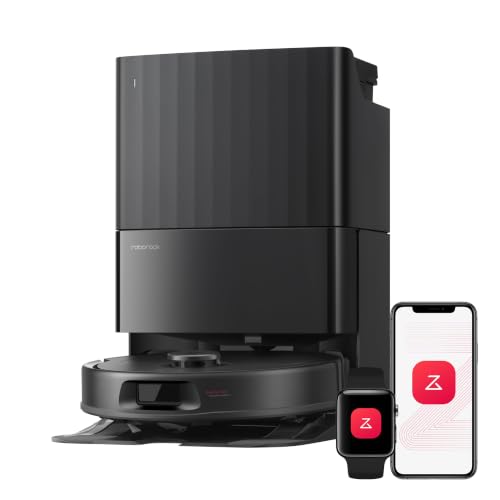
| Roborock Qrevo and S-series | Mixed hard floor and rugs | Self-emptying and self-washing docks, rug detection, lifting mop on higher models | Larger dock footprint; accessories wear over time |
| Dreame L-series and X-series | Buyers who want the most automation | Mop lifting, extendable mop or side brush on some models, hot-air mop drying | Feature sets vary a lot by model; larger docks |
| eufy Omni and X-series | Families with pets and mixed flooring | All-in-one docks, obstacle recognition, hair-tangle handling on some models | Mop pads and filters are consumables |
| Shark robot vacuums and mops | Shoppers who prefer a familiar vacuum brand | Self-empty bases, app mapping, some models with combined vacuum and mop | Fewer ultra-premium mop features than some rivals |
| iRobot Roomba Combo line | Buyers already in the Roomba ecosystem | Vacuum and mop in one robot, app and voice-assistant support | Mop tends to be simpler than on dock-washing rivals |
| Ecovacs Deebot T-series | Mid-range to premium all-rounders | Auto-wash and hot-air drying options, mapping, obstacle avoidance on some models | Model naming is crowded; compare dock type |
What Separates a Good Robot Mop From a Gimmick
Many products are sold as vacuum and mop combinations, but the mopping approach matters more than the label. Makers describe three broad designs. Static water-tank pads wipe lightly and suit dust and fresh spills. Vibrating or sonic-style pads scrub with fast movement. Rotating dual-pad systems press down and spin, which the makers say helps with dried marks. Reviewers generally report that none of them replaces a manual mop for stuck-on spills, so treat them as maintenance cleaners that keep floors tidy between deeper cleans.
The feature that protects carpets matters even more. Look for a mop that lifts clear of carpet or a robot that removes the pad entirely when it crosses a rug. Without it, a combined machine can drag a damp pad over fibers. Maker pages describe the lift height as a stated number, and reviewers often note that tall high-pile rugs still need to be blocked off in the app with a no-mop or no-go zone.
Dock Types and What They Mean Day to Day
Basic charging base
A basic base only recharges the robot. You empty a small onboard bin after most runs. This is the budget route and works for small apartments, but a robot with a small bin interrupts more often in homes with pets.
Self-emptying dock
The dock pulls debris into a sealed bag or bin, so the robot is emptied for weeks at a stretch according to the makers. Bags are a recurring cost; bagless docks avoid that but need a regular wipe of the collection chamber. This is the single upgrade most reviewers consider worthwhile for vacuum-only use.
All-in-one dock with mop washing
These docks wash the pads, refill the clean-water tank and drain the dirty tank, and many add warm-air drying. The benefit is fewer chores. The trade-off is size, a tank you must still empty and refill, and a cleaning routine for the wash tray, because damp parts can develop odor if neglected. Dreame, Roborock, eufy, Ecovacs and Shark all offer docks in this category on higher models.
Navigation and Obstacle Avoidance
Two navigation methods dominate. Lidar maps the room with a spinning sensor and works in the dark. Camera-based systems add object recognition, which makers say helps avoid cables, socks and pet waste. Reviewers consistently report that obstacle detection is better than it used to be but not perfect, so loose charging cables and small objects remain the most common cause of stuck robots. A low-profile robot with a small top turret fits under more furniture, while a tall lidar tower may not clear low sofas, so measure the gap beneath your furniture before buying.
Fit, Size and Home Compatibility Notes
- Threshold height: makers list a maximum climbing height, and many models handle low door thresholds but struggle with raised ones. Measure yours.
- Under-furniture clearance: compare the robot height, including any lidar turret, with the lowest sofa or bed frame you want cleaned.
- Dock footprint: all-in-one docks are large and need open space plus room for the robot to approach. Allow space for the water tanks to be lifted out.
- Wi-Fi: most apps require a 2.4 GHz network during setup, and some do not support every router mode.
- Stairs: a robot cleans one floor level at a time. Multi-floor maps are possible on many models, but you carry the robot between levels.
- Floor types: unsealed wood, some laminate and delicate finishes can be affected by moisture, so read the flooring maker guidance before enabling mopping.
Budget, Mid-Range and Premium Tiers
Budget tier
Entry-level robots usually offer basic vacuuming, a simple water-tank mop and a basic charging base. They suit small homes with mostly hard floors and little pet hair. Expect fewer sensors, smaller bins and more manual emptying. App mapping is common even here, but obstacle avoidance is usually basic.
Mid-range tier
This is where self-emptying docks, lidar mapping and better brush designs appear. For many buyers this tier is the sweet spot, and it is where Shark, eufy, Roborock and Ecovacs compete hard. If you mostly want the floor vacuumed and are happy to wipe the floor by hand now and then, a self-emptying vacuum-first model in this tier is usually the efficient choice.
Premium tier
Premium models add washing and drying docks, mop lifting, obstacle recognition and extra arms or extendable parts. The makers position them as near hands-off. The cost is complexity: more parts to rinse, more consumables, and larger docks. They make sense for large homes, busy households and buyers who value time over cost.
Pick X If Decision Table
| Pick this if you… | Choose | Why |
|---|---|---|
| Have mostly hard floors and want minimal chores | All-in-one wash and dry dock model | Pads are cleaned and dried automatically |
| Have mostly carpet or rugs | Vacuum-first model with strong suction and self-empty base | Mopping adds little and rug rules add complexity |
| Have pets that shed | Self-emptying model with anti-tangle brush | Large dust capacity and fewer jammed brushes |
| Live in a small apartment | Compact lidar model with a basic or compact dock | Smaller footprint and lower upkeep |
| Own low furniture | Low-profile robot | Reaches under sofas and beds |
| Want a familiar brand and simple app | Shark or Roomba combo model | Established support and spare-part availability |
Care and Safety Notes
Treat a robot vacuum like any rechargeable appliance. Use only the charger and dock supplied by the maker, do not leave a damaged battery in use, and stop using a unit that swells, smells burnt or overheats. Keep power cords and charging bases away from damp areas and do not pour water into any part other than the marked tanks. Wash or replace mop pads according to the manual, clean the dock tray regularly, and replace filters and brushes on the maker schedule. If a robot damages a cable it has run over, unplug it and have an electrician or the appliance maker inspect the damaged item. Pets and small children should be kept clear of docks that heat or dry pads.
Alternatives to Consider
- Robot vacuum without mop: If you mostly want debris pickup, a vacuum-only model is simpler, smaller and has fewer parts to maintain.
- Stick vacuum with a hard-floor head: A cordless stick is better for stairs, spot cleaning and cars and can pair with a basic robot.
- Wet-dry upright: Wet-dry uprights from brands such as Bissell and Tineco scrub harder than any robot mop and suit homes that need a deeper hand-guided floor wash.
Frequently Asked Questions
Can a robot vacuum and mop replace a regular vacuum?
For many homes it can handle daily upkeep, but reviewers report that corners, stairs and deep carpet still need a stick or upright vacuum. Use the robot for routine runs and a conventional vacuum for periodic deeper passes.
Is it safe to run the mop on wood floors?
That depends on the floor finish and the flooring maker guidance. Sealed hardwood is typically treated differently from unsealed or waxed wood. If you are unsure, run the robot in a no-water mode first or confine mopping to tile and vinyl in the app.
How often do I need to empty the dock?
Makers of self-emptying bases describe weeks of use between emptyings, but real intervals depend on pets and floor type. Empty the bin or bag when the app prompts you, and wash the water tanks and wash tray more often to prevent odor.
Do robot vacuums work in the dark?
Lidar-based models can navigate without light. Camera-based obstacle avoidance can perform worse in low light, so makers often include a light or tell you to avoid very dim rooms.
Will a robot vacuum handle pet hair?
Models with rubber or anti-tangle brushes and large dustbins handle it better than simple bristle designs. Long hair still wraps around the brush roll on any machine, so plan to cut it free during routine maintenance.
How long do the consumables last?
Makers publish suggested replacement intervals for filters, side brushes, main brushes and mop pads, usually measured in months of normal use. Heavy pet homes should replace parts earlier than the schedule suggests.
More from Amazon
Programs that pair well with the guide above. Offers and eligibility are set by Amazon and may change.
A free business account with business pricing and bulk-buying tools for work, shop or home office.
Create a business accountFree shipping on eligible items, Prime Video and more. Eligible new members can start with a free trial.
Start a Prime free trialAudiobooks and podcasts to listen to on the go. Eligible new members can start with a free trial.
Try Audible freeAd-free music streaming. Eligible new subscribers can start with a free trial.
Try Music Unlimited freeAs an Amazon Associate we earn from qualifying purchases.