For a first blanket, choose a washable acrylic or acrylic-wool blend in a bulky weight, such as Lion Brand Wool-Ease Thick & Quick or Red Heart Super Saver; choose Bernat Blanket if you want the fastest, softest chunky throw; and choose a superwash merino or a wool like Cascade 220 if you want a heirloom-quality blanket and are comfortable with a higher budget and more careful care.
Our top picks



As an Amazon Associate we earn from qualifying purchases at no extra cost to you.
At a Glance: Blanket Yarns Compared
| Yarn | Fiber (maker lists) | Weight category | Best for | Limits |
|---|---|---|---|---|
| Red Heart Super Saver | 100% acrylic | Medium (4) | Everyday afghans, beginners, large projects | Can feel stiffer; pills with heavy wear |
| Caron Simply Soft | 100% acrylic | Medium (4) | Softer drape, baby and gift blankets | Acrylic can feel warm and may pill |
| Lion Brand Wool-Ease Thick & Quick | Acrylic-wool blend | Super bulky (6) | Quick chunky throws | Bulky; uses a lot of skeins for a large blanket |
| Bernat Blanket | 100% polyester | Super bulky (6) | Soft, plush blankets with big hooks or hands | Hard to see stitches; can snag; not for fine detail |
| Cascade 220 / superwash | 100% wool (superwash version available) | Worsted (4) | Warm, long-lasting blankets | Higher budget; wool care and itch tolerance matter |
| Cotton yarns (e.g. Lily Sugar’n Cream, Hobbii cotton lines) | Cotton | Worsted/DK | Light summer throws, dishcloth-style textures | No stretch; can be heavy and hard on hands |
What Matters Most When Choosing Blanket Yarn
Fiber
Acrylic is the default for blankets because it is inexpensive, comes in many colors and is usually machine washable. Wool and wool blends are warmer and often more breathable, but may need gentler washing unless labelled superwash. Cotton is cool and strong but heavier and without much give. Polyester chenille-style yarns such as Bernat Blanket give an ultra-soft feel but are best for simple stitches.
Weight category
The Craft Yarn Council numbers (4 for medium or worsted, 5 for bulky, 6 for super bulky) tell you how thick the yarn is. Thicker yarn works up faster but makes a heavier, more drapey blanket and uses more skeins. Medium-weight yarn gives finer stitch definition but takes longer.
Yardage and dye lots
A throw blanket can require many skeins, so check the yardage listed on the label and buy a little extra. Dye lots matter: skeins from different lots can vary slightly in color, so buy all you need at once if you can.
Washability
Read the care symbols on the band. Many acrylics list machine wash and dry, while wool and wool blends often list a gentle cycle or hand wash. If the blanket is for a baby, a child or someone who spills often, easy care is worth more than a luxury fiber.
Yarn Notes by Project Type
Baby blankets
Choose soft, washable yarn. Makers label several acrylic lines such as Caron Simply Soft as suited to baby items. Avoid very loose textures or add-ons like beads and tassels that could come off. For any item used near an infant, follow safe sleep guidance from your pediatrician or local health authority, which generally advises against loose blankets in a sleep space.
Chunky throws
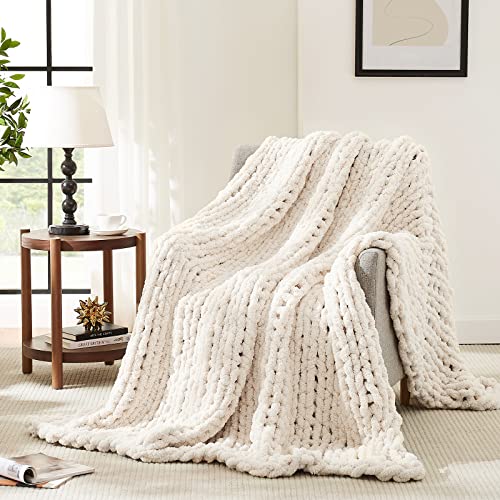
Super bulky options like Lion Brand Wool-Ease Thick & Quick or Bernat Blanket make a finished throw in a weekend or two. Use a large hook or needles and a simple stitch, and expect the finished blanket to be heavy.
Heirloom blankets
Worsted wool such as Cascade 220 gives warmth, stitch definition and a long life if cared for. Superwash versions are easier to launder. Merino lines like Malabrigo Rios are popular with knitters for softness but sit in a higher budget tier.
Summer or warm-climate blankets
Cotton or cotton blends breathe better than acrylic. Expect more weight for the size and less stretch, which can tire your hands on a big project.
Budget Tiers
Budget
Red Heart Super Saver and similar acrylics keep costs low and have a huge color range. Texture is plainer and long-term softness after washing varies by reviewer.
Mid-range
Softer acrylics such as Caron Simply Soft and blends like Wool-Ease balance feel, washability and cost for most home crocheters and knitters.
Premium
Superwash merino, Cascade 220 wool and specialty hand-dyed yarns cost more per skein, and a full-size blanket can need many. Choose these when warmth, drape or heirloom value matters more than cost.
Needle and Hook Pairing
The label lists a suggested hook or needle size. As a rule, go with the maker’s range and swatch before starting. For a blanket, many makers suggest staying at the larger end for drape. A swatch also lets you check gauge and see how the yarn behaves after a wash.
Pick X If… Decision Table
| Pick this | If you |
|---|---|
| Red Heart Super Saver | are making a large, hard-wearing afghan on a tight budget |
| Caron Simply Soft | want a softer acrylic for baby or gift blankets |
| Lion Brand Wool-Ease Thick & Quick | want a fast chunky throw with a little wool content |
| Bernat Blanket | want maximum softness and plushness with simple stitches |
| Cascade 220 or superwash merino | want a warm, long-lasting blanket and accept higher cost and care rules |
| Cotton yarn | live somewhere warm or are sensitive to wool and acrylic |
Alternatives to Consider
- Blanket kits: Many yarn makers sell kits with yarn and pattern included, which removes the guesswork about yardage.
- Chunky arm-knit yarn: Jumbo yarns allow a blanket to be made by hand without tools, though the result is bulky and can stretch.
- Fleece fabric no-sew blankets: A good option if you want a quick gift without knitting or crocheting.
Choosing Colors and Patterns
Solid and heathered shades make stitch patterns easier to see, while variegated yarn hides texture and is best with simple stitches such as single crochet or garter stitch. Self-striping and gradient yarns can make a plain blanket look complex without changing technique. If you want a multi-color blanket, buy slightly more than the pattern calls for in each shade, because running short late in a project is frustrating.
Common Mistakes When Buying Blanket Yarn
Mixing fibers in one blanket
Combining acrylic, wool and cotton in one piece can cause uneven shrinkage and different care needs. If you mix, check each label and use the gentlest recommended care for the whole blanket.
Under-buying
Blankets use far more yarn than most people expect. Buying all the skeins at once also protects you against dye lot differences. If you do run short, ask the maker or shop whether the same lot is still available.
Picking a yarn that does not suit the stitch
Very fuzzy or chenille-style yarns hide detail, so intricate stitch patterns disappear. Smooth, plied yarns show texture best. A bulky yarn on a tiny hook produces a stiff fabric, so stay in the maker’s suggested hook range.
Finishing and Care
Weave in ends well; blankets get tugged and washed often. Block wool blankets by laying them flat and shaping them while damp, which evens stitches. Acrylic generally does not block in the same way but may relax after a wash. When gifting, include a note with the fiber content and wash instructions, as the recipient may not know the yarn’s limits.
Store finished blankets away from direct sun and moths. Wool in particular should be kept clean and stored in a breathable bag, since stains and body oils attract moths. Cedar or a similar deterrent is often suggested for wool items.
Frequently Asked Questions
What is the best yarn for a beginner’s blanket?
A smooth, light-colored medium or bulky acrylic is the usual recommendation because stitches are easy to see and the yarn is forgiving. Red Heart Super Saver and Lion Brand Wool-Ease are common starting choices. Avoid fuzzy or very dark yarn until you are comfortable.
How much yarn do I need for a throw blanket?
It depends on yarn weight, stitch and finished size. Use the pattern’s yardage, check the yards listed on each skein, and add a skein or two as a margin. Chunky yarn often needs fewer yards but more skeins by weight.
Is acrylic or wool better for blankets?
Acrylic is cheaper and easy to wash, while wool is warmer and more breathable. Wool blends offer a middle path. If you or the recipient are sensitive to wool, acrylic or cotton is the safer choice.
Can I machine wash a handmade blanket?
Often yes, if the yarn label allows it. Use the cycle listed on the band, wash separately and dry flat or on low if the label permits. Always test a swatch first.
Why does my blanket pill?
Pilling is common with acrylic and soft blends as fibers rub together. A fabric shaver removes pills, and tighter stitches or higher-twist yarns can help reduce them.
Is Bernat Blanket good for a first project?
It is fast and soft, but the thick chenille-style strand hides stitches, so mistakes are hard to spot. Many crocheters suggest a plain acrylic for learning and Bernat Blanket for a second project.
More from Amazon
Programs that pair well with the guide above. Offers and eligibility are set by Amazon and may change.
A free business account with business pricing and bulk-buying tools for work, shop or home office.
Create a business accountFree shipping on eligible items, Prime Video and more. Eligible new members can start with a free trial.
Start a Prime free trialAudiobooks and podcasts to listen to on the go. Eligible new members can start with a free trial.
Try Audible freeAd-free music streaming. Eligible new subscribers can start with a free trial.
Try Music Unlimited freeAs an Amazon Associate we earn from qualifying purchases.