Key takeaways
- Size: Batting should extend a few inches beyond the quilt top on each side. Check the maker’s listed sizes against your finished dimensions.
- Climate: Warm sleepers often prefer cotton or thin batting; cold sleepers may prefer wool or higher-loft polyester.
- Washing: Choose materials that match how you plan to launder the quilt. Heavily used quilts usually benefit from machine-washable fibers.
- Sensitivities: If you or a child have skin sensitivities or allergies, check fiber content and the maker’s information. Speak to a doctor for medical concerns.
- Dyes and finishes: Prewashing helps manage color bleed and shrinkage; follow the fabric maker’s instructions.
Cotton is the best all-round quilt material: quilting-weight cotton suits piecing and everyday bed quilts, cotton batting suits breathable warmth, flannel suits cold-weather backs, and wool or polyester batting suits those who want extra loft or easy care. The right material depends on whether you are making a quilt top, choosing batting or buying a finished quilt, plus your climate, washing habits and any fabric sensitivities.
Our top picks


As an Amazon Associate we earn from qualifying purchases at no extra cost to you.
At a Glance: Quilt Materials Compared
| Material | Used for | Best for | Key traits | Limits |
|---|---|---|---|---|
| Quilting-weight cotton | Quilt top and back | Beginners and most patterns | Stable, easy to cut and press, many prints | Can shrink; wrinkles |
| Cotton batting | Filling | Breathable, flat, traditional look | Natural fiber, drapes well; closer quilting spacing often advised | Heavier when wet; can shrink if not prewashed per maker |
| Wool batting | Filling | Warmth with low weight | Lofty, insulating, breathes | Pricier; care rules stricter; some people react to wool |
| Polyester batting | Filling | Lightweight, easy-care, budget | Resists shrinking, dries fast | Less breathable; can beard |
| Cotton-poly blend batting | Filling | Balance of stability and loft | Mixed fiber, common in ready-made quilts | Properties vary by blend |
| Flannel | Back or top | Cozy cold-weather quilts | Soft brushed finish | Stretchier; shrinks more; lint |
| Linen | Top or back | Relaxed, textured look | Durable, softens with washing | Frays, wrinkles heavily |
| Bamboo-derived or blended batting | Filling | Soft drape | Silky feel per makers | Processing and blend varies; read labels |
Fabric for the Quilt Top and Back
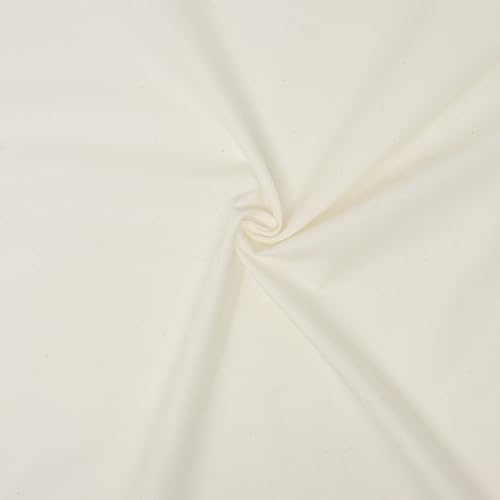
Most quilt makers use quilting-weight cotton, commonly described as a plain-weave fabric of moderate thread count that holds crisp seams. It cuts accurately, presses well and is available in a huge range of prints and solids from brands such as Moda, Robert Kaufman, Riley Blake and Art Gallery Fabrics. Makers generally recommend using the same fiber throughout one quilt so that all fabrics shrink and wear similarly.
Cotton
Cotton is the default recommendation in most beginner guides because it is stable and forgiving. Fabric quality varies, so check the maker’s weight and weave description and compare the hand of the fabric in person when you can.
Flannel
Brushed cotton flannel gives a warm, cozy feel and is popular for backs and children’s quilts. It tends to stretch on the bias and shrink more than quilting cotton, so many sewists prewash it separately.
Linen and linen blends
Linen produces a textured, rustic look and softens with age. It frays and wrinkles easily, so use sharp tools and a good starch or sizing when cutting.
Knits and special fabrics
Jersey and T-shirt knits stretch and are usually stabilized with interfacing, which matters for memory quilts. Silk and velvet add visual interest but are harder to sew and clean.
Choosing Batting
Batting determines warmth, weight and drape. Makers such as Warm & Natural, Hobbs, Quilters Dream and Mountain Mist list different fiber blends and recommend quilting distances. Always follow the maker’s instructions on prewashing and the maximum distance between quilting lines, since this prevents shifting and clumping.
Cotton batting
Cotton is breathable and gives a traditional, flat look with a slightly crinkled finish after washing. It is a common choice for bed quilts in moderate climates. Because it is heavier, it can feel substantial on a large bed.
Wool batting
Wool provides warmth without weight and recovers loft well. Reviewers often cite its softness. Care rules are specific, so read the label, and avoid it if anyone in the household reacts to wool.
Polyester batting
Polyester is light, resists shrinking and dries quickly, which suits children’s quilts and frequent washing. It holds less moisture and is generally less breathable than natural fibers. Some low-quality battings can work through the fabric, known as bearding.
Blends and specialty options
Cotton and polyester blends aim to combine stability with loft. Bamboo-derived products are marketed for softness; check the maker’s fiber content and processing statements. Fusible and needle-punched batting may also help beginners keep layers in place.
Fit and Use Notes
- Size: Batting should extend a few inches beyond the quilt top on each side. Check the maker’s listed sizes against your finished dimensions.
- Climate: Warm sleepers often prefer cotton or thin batting; cold sleepers may prefer wool or higher-loft polyester.
- Washing: Choose materials that match how you plan to launder the quilt. Heavily used quilts usually benefit from machine-washable fibers.
- Sensitivities: If you or a child have skin sensitivities or allergies, check fiber content and the maker’s information. Speak to a doctor for medical concerns.
- Dyes and finishes: Prewashing helps manage color bleed and shrinkage; follow the fabric maker’s instructions.
Budget Tiers
| Tier | Typical choices | Trade-offs |
|---|---|---|
| Budget | Polyester batting, basic cotton blends, big-box quilting cotton | Thinner hand; fewer color choices |
| Mid-range | Name-brand quilting cotton, cotton or blend batting | Good balance for most quilts |
| Premium | Designer cottons, wool or organic batting, linen | Higher cost; careful care rules |
Pick X If…
| Pick this | If you |
|---|---|
| Quilting-weight cotton | are making a traditional pieced quilt |
| Cotton batting | want breathable, flat, traditional results |
| Wool batting | want warmth with light weight and have no wool sensitivity |
| Polyester batting | need easy care and a lower cost |
| Flannel | want a cozy backing |
| Linen | like a textured, casual look |
Alternatives
- Pre-cut fabric bundles: Charm packs and jelly rolls remove the need to select every print.
- Quilt kits: Include fabric and patterns in one package.
- Ready-made quilts: Many makers list fiber content and care instructions; compare them with the points above.
Care Notes
Follow the maker’s care label for washing and drying. Wash new quilts with mild detergent and avoid bleach unless the label allows it. Dry flat or on a low setting where the maker permits, and check for scorching on synthetic batting. If you are quilting around a heater or electric blanket, follow that product’s manual and do not place heating devices between quilt layers unless the maker says it is safe.
How Thread Count, Weave and Fiber Affect a Quilt
Quilting cotton is typically a plain weave, which means each thread passes over and under the next. This makes a stable fabric that holds its shape during cutting and sewing. Higher thread counts can feel smoother, but very dense fabrics can be harder to hand quilt. Makers such as Moda and Robert Kaufman describe their lines by fiber and weight, so reading the product information is more reliable than judging by price alone.
Hand quilting versus machine quilting
If you quilt by hand, lighter battings such as thin cotton or wool are easier to pierce with a needle. Machine quilters often prefer needle-punched cotton or polyester because it handles dense stitching well. If you use a long-arm service, ask the provider which battings they stock and prefer.
Quilt weight and sleeping temperature
Thicker batting creates more loft and warmth but also more weight. A bed quilt for a warm climate may need only a thin cotton batting, while a quilt for an unheated room may suit wool or a higher-loft polyester. Layering a quilt over a blanket gives more flexibility than buying a single very thick quilt.
Longevity and repair
Natural fibers can wear and fade more quickly with heavy use, but they are often easier to repair with patches. Synthetic fibers hold shape well but can melt under a hot iron. Always use the heat setting that suits your lowest-tolerance fabric.
Eco and ethical labels
Some makers list organic cotton, recycled polyester or certified wool. Treat these labels as the maker’s statements and look for the certifying body named on the label if this matters to you.
Common Mistakes to Avoid
Frequent problems include mixing heavy and light fabrics in one quilt, which can cause puckering, skipping the batting maker’s quilting-distance guidance and using a very dense batting for hand quilting. Another is choosing a fiber without considering how you will wash it, such as wool in a household that machine-washes everything. Buy a little extra fabric, since dye lots can differ, and pin or baste layers well before quilting. Cut a test swatch, wash it and look at the result before committing to a full project.
Frequently Asked Questions
What fabric is best for a beginner quilter?
Quilting-weight cotton is the usual recommendation because it is stable and easy to cut and press. Start with solids or small prints to hide minor sewing errors.
Is cotton or polyester batting better?
Cotton is more breathable and drapes well, while polyester is lighter and easier to wash. Choose cotton for a traditional feel and polyester for easy care and warmth with low weight.
Should I prewash quilt fabric?
Many quilters do, to reduce shrinkage and check for color bleeding. Others skip it for pre-cuts. Follow the fabric maker’s guidance and use the same method for all fabrics in one quilt.
What is the warmest quilt material?
Wool and higher-loft polyester batting are commonly described as the warmest. Flannel backs add cozy warmth. Actual warmth depends on thickness and climate.
Can I mix fabric types in one quilt?
You can, but different fibers shrink and wear at different rates. Use similar weights and prewash where needed to reduce puckering after washing.
What is best for a baby quilt?
Soft cotton or flannel with cotton or polyester batting is common, because it washes well. Follow safe sleep guidance from your pediatrician and do not place loose bedding in an infant’s sleep space.
More from Amazon
Programs that pair well with the guide above. Offers and eligibility are set by Amazon and may change.
A free business account with business pricing and bulk-buying tools for work, shop or home office.
Create a business accountFree shipping on eligible items, Prime Video and more. Eligible new members can start with a free trial.
Start a Prime free trialAudiobooks and podcasts to listen to on the go. Eligible new members can start with a free trial.
Try Audible freeAd-free music streaming. Eligible new subscribers can start with a free trial.
Try Music Unlimited freeAs an Amazon Associate we earn from qualifying purchases.