Our Short List of 3

- Model: 2701600
- Blade: Tempered steel
- Point spread: 6.25 inches
- Handles: North American hardwood
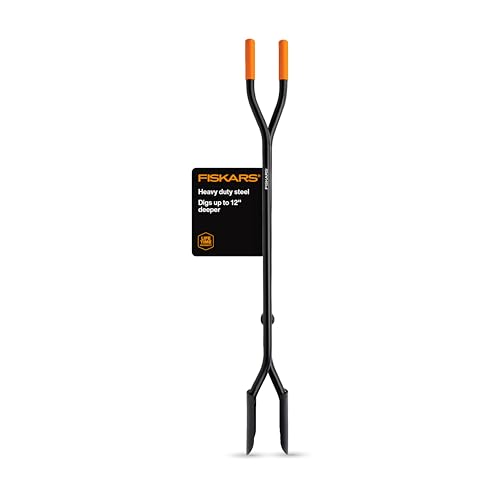
- Model: 9653
- Blades: 14-gauge hardened steel
- Blade spread: 6.5 inches
- Handles: 16-gauge steel, offset design

- Model: 92382
- Blades: 14-gauge steel
- Point spread: 5.5 inches
- Handles: Fiberglass, triple-wall build
All 5 Picks at a Glance
| Product | Specs | Action |
|---|---|---|
| 1. AMES 2701600 Post Hole Digger with Hardwood Measurement Handle |
| Check price on Amazon |
| 2. Fiskars 9653 Steel Post Hole Digger |
| Check price on Amazon |
| 3. Bully Tools 92382 Post Hole Digger with Fiberglass Handle |
| Check price on Amazon |
 4. Truper 32406 Tru Tough Atlas Pattern Post Hole Digger |
| Check price on Amazon |
 5. Seymour 21306 AU-S6 Iwan Auger with Hardwood Handle |
| Check price on Amazon |
Key takeaways
- Dig clean, deep holes by hand with the best post hole diggers, from hardwood clamshell models with depth rulers to a steel Iwan auger for compacted soil.
A fence line, a deck footing, a mailbox post, or a row of young trees all begin the same way: with a hole that is deep, round, and plumb. Engine-driven earth augers do that job fast, but they are heavy, loud, and hard to justify for a handful of holes. A manual post hole digger asks only for your arms, works in tight corners where a powered auger cannot swing, and leaves a narrow hole that needs far less backfill around the post.
This guide covers hand tools only. Four picks are clamshell diggers, the familiar two-handled design that bites into the soil and lifts out a plug of earth. The fifth is an Iwan pattern hand auger that bores by turning a T-handle, a better match for compacted ground. All five are current Amazon listings from known tool makers, and they differ in handle material, blade build, and weight.
Disclosure: As an Amazon Associate, we earn from qualifying purchases made through links on this page, at no extra cost to you.
How to Choose a Post Hole Digger
Pick the digging style first. A clamshell digger works like a pair of jaws: you drive the blades down, pull the handles apart to close them on a load of soil, and lift it out. It is quick in loam, sand, and soft clay, and it doubles as a cleanup tool for holes loosened by a digging bar. An Iwan auger works by rotation, with two bowl-shaped blades that cut as you turn the T-handle. It is slower per hole but keeps cutting in dense soil where a clamshell tends to bounce off.
Match the point spread to your posts. The spread is the width of the bite the blades take, and the five tools here run from 5.5 to 6.5 inches. A common rule is a hole about three times as wide as the post, so a 4×4 post wants a hole near 12 inches across. A clamshell cuts its own width on each pass, and you widen the hole by working around the edges, which leaves room to plumb the post and tamp the fill.
Choose a handle material you can live with. Hardwood is the traditional pick: it absorbs shock when a blade hits a buried stone, but it weathers if the tool lives outdoors and can crack under heavy prying. Fiberglass shrugs off weather and resists bending, though it passes more shock to your hands. All-steel handles are the toughest of the three and the heaviest, and a welded build removes the loose-bolt problem entirely.
Check the length against your frost line. Post holes should reach below the frost line so the post does not heave in winter, meaning 24 to 48 inches of depth in many regions. Handles around 48 inches let you work the bottom of a three-foot hole without kneeling.
Look at blade gauge and the pivot. Lower gauge numbers mean thicker steel. A 14-gauge blade holds an edge and resists bending in stony ground far better than thin stamped blades. A welded pivot never works loose, while a bolted one needs a wrench check now and then.
Weigh the tool, literally. These five run from about six to about ten and a half pounds. A lighter digger is kind to your shoulders across a long fence line, while a heavier one drives itself into hard ground with less effort from you.
The 5 Best Post Hole Diggers
1. AMES 2701600 Post Hole Digger with Hardwood Measurement Handle
- Model: 2701600
- Blade: Tempered steel
- Point spread: 6.25 inches
- Handles: North American hardwood
The AMES 2701600 is the classic clamshell done carefully, and its signature detail is a measurement scale marked on one hardwood handle, so you can check hole depth as you dig instead of fishing for a tape measure with muddy hands. The blades are tempered steel with a 6.25-inch point spread, a good middle size for 4×4 posts, and the oversized cushion grips stay comfortable across a long run.
The handles are North American hardwood at 48 inches, giving a 58-inch tool that reaches the bottom of a three-foot hole while you stand upright. At 8.85 pounds it sits in the middle of this group: heavy enough to bite into clay, light enough to carry along a fence line all morning. AMES backs it with a 15-year warranty, the longest stated term among the clamshell picks here.
2. Fiskars 9653 Steel Post Hole Digger
- Model: 9653
- Blades: 14-gauge hardened steel
- Blade spread: 6.5 inches
- Handles: 16-gauge steel, offset design
Fiskars builds this digger almost entirely from steel, and it is the heavy-duty pick of the five. The blades are 14-gauge hardened steel with a 6.5-inch spread, the widest bite here, and the handles are 16-gauge steel tubes joined by a welded pivot, so there are no bolts to loosen and no wood to crack when you pry against a root. The whole tool is powder coated to slow rust.
The offset handle design keeps your knuckles from knocking together at the bottom of each stroke, a small detail you appreciate by the tenth hole. At 60 inches overall it is the longest tool in this group, and at about 10.5 pounds the heaviest, which helps it punch into hard or rocky soil but makes it tiring on long, easy digs. Fiskars covers it with a lifetime warranty.
3. Bully Tools 92382 Post Hole Digger with Fiberglass Handle
- Model: 92382
- Blades: 14-gauge steel
- Point spread: 5.5 inches
- Handles: Fiberglass, triple-wall build
Bully Tools makes its diggers in the USA from US steel, and the 92382 pairs 14-gauge steel blades with triple-wall fiberglass handles. That handle build is the reason to pick it: fiberglass ignores rain and sun, will not splinter, and resists the flex and snap that end wooden handles when a blade wedges under a root.
The 5.5-inch point spread is the narrowest here, which suits 4×4 posts with less soil to move per bite and makes the tool handy for planting holes and smaller posts as well. The handles run 47 inches, keeping the tool maneuverable in garden beds and between existing fence sections. Bully Tools covers the digger with a limited lifetime warranty against defects. The maker does not publish a weight for this model.
4. Truper 32406 Tru Tough Atlas Pattern Post Hole Digger
- Model: 32406
- Pattern: Atlas
- Blades: Steel, clear coated
- Handles: Fiberglass
The Truper 32406 uses the Atlas pattern, a long-standing blade shape with a pointed, rounded profile that slips into the ground cleanly and holds a full load of soil on the way up. The steel blades carry a clear coat that slows rust and are pinned to the fiberglass handles with sturdy bolts.
Fiberglass handles keep the weight down and shrug off the weather, and the cushioned grips, sized at ten inches on the listing, give you a secure hold when your hands are wet or gloved. The handles run 40 inches per the maker’s data, shorter than the other clamshells here, which makes this the handiest pick for planting holes and shallow post work. Truper backs it with a ten-year replacement warranty. The maker does not publish a weight.
5. Seymour 21306 AU-S6 Iwan Auger with Hardwood Handle
- Model: 21306 (AU-S6)
- Type: Iwan hand auger
- Hole diameter: 6 inches
- Blade: Steel, riveted to iron yoke
The Seymour 21306, sold as the AU-S6 in the maker’s S500 Industrial line, is the odd one out here: a true hand auger rather than a clamshell. Two bowl-shaped steel blades sit at the end of a steel shaft, riveted to a pliable iron yoke, and you bore by turning the T-handle at the top. The turning cut keeps working in dense soil and hard-packed gravel where a clamshell’s bite skips off the surface.
It cuts a 6-inch diameter hole, right for 4×4 posts and snug footings, and at 7.4 pounds it is the lightest tool in this group to carry. The hardwood T-handle gives you both hands’ worth of torque, though it has no cushioning, so gloves are a good idea on a long run. The riveted blade is fixed rather than replaceable, and the maker states no warranty term for this model.
Comparison Table
| Digger | Model | Blade | Spread or diameter | Handle | Weight | Best for |
|---|---|---|---|---|---|---|
| AMES 2701600 | 2701600 | Tempered steel | 6.25 in spread | Hardwood | 8.85 lb | All-round fence and deck work |
| Fiskars Steel | 9653 | 14-gauge hardened steel | 6.5 in spread | Steel, offset | 10.5 lb | Rocky soil and heavy use |
| Bully Tools 92382 | 92382 | 14-gauge steel | 5.5 in spread | Fiberglass | Not published | Weatherproof narrow holes |
| Truper 32406 | 32406 | Steel, clear coated | Atlas pattern | Fiberglass | Not published | Planting and light posts |
| Seymour AU-S6 | 21306 | Steel on iron yoke | 6 in diameter | Hardwood T-handle | 7.4 lb | Compacted soil, boring by hand |
Frequently Asked Questions
How deep can a manual post hole digger dig?
With handles around four feet long, you can work a hole 36 to 48 inches deep, which covers the frost line in most regions. Depth is limited by handle length and by the width of the hole, since the handles need room to open at the bottom. For very deep footings, loosen the soil with a digging bar and lift it out with the clamshell.
What size hole does a 4×4 post need?
A good target is a hole about three times the width of the post, so roughly 12 inches across and deep enough to sit below the frost line. A clamshell with a 6 to 6.5-inch spread cuts its own width per bite, and you reach the full width by working around the circle and trimming the walls. The extra room lets you plumb the post and tamp gravel or concrete around it.
Should I choose a clamshell digger or a hand auger?
Choose a clamshell for speed in loam, sand, and soft clay, and for clearing loose soil out of any hole. Choose an Iwan hand auger like the Seymour for dense or compacted ground, where turning the T-handle cuts steadily instead of bouncing. Many fence builders own both: the auger breaks the ground, and the clamshell empties the hole.
Can these diggers handle clay and rocky soil?
Yes, within limits. Thick 14-gauge blades, like those on the Fiskars and Bully Tools picks, bite into stiff clay and shrug off small stones. Big rocks and thick roots still need a digging bar to loosen or lever them out first. Wet clay is the hardest case because it sticks to the blades; knocking them clean every few bites keeps the pace up.
How do I keep a post hole digger in good shape?
Rinse or brush the blades clean after use and wipe them with an oily rag before storage to hold rust back. Store the tool dry and out of the sun, which matters most for hardwood handles. Check bolted pivots with a wrench each season, keep the blade edges filed to a working edge, and touch up chipped coating before rust takes hold.
Conclusion
For most fence, deck, and mailbox work, the AMES 2701600 is the balanced pick: tempered steel blades, a useful depth scale on the handle, and a 15-year warranty. If your ground is stony or root-filled, the all-steel Fiskars 9653 is built to take that abuse. The Bully Tools 92382 suits anyone who leaves tools out in the weather and wants a narrower bite, while the Truper 32406 is the lighter, shorter option for planting and light posts. And when the soil is too compacted for a clamshell to bite, the Seymour AU-S6 hand auger earns its place by boring where the others bounce.
More from Amazon
Programs that pair well with the guide above. Offers and eligibility are set by Amazon and may change.
A free business account with business pricing and bulk-buying tools for work, shop or home office.
Create a business accountFree shipping on eligible items, Prime Video and more. Eligible new members can start with a free trial.
Start a Prime free trialAudiobooks and podcasts to listen to on the go. Eligible new members can start with a free trial.
Try Audible freeAd-free music streaming. Eligible new subscribers can start with a free trial.
Try Music Unlimited freeAs an Amazon Associate we earn from qualifying purchases.