Key takeaways
- Measure the rough opening, not the fridge: Note cabinet width, depth to the face frame, and door swing arc. Add roughly one inch behind the unit for the water line and two inches above for heat rejection, or the compressor will run hot and loud.
- Match ice output to your habits: A built-in fridge ice maker typically produces a few pounds a day, which suits normal cooking and drinks. If you entertain, host game nights, or run a home cafe setup, a 120 lb/24H undercounter machine is a different category of tool entirely.
- Plan the water supply before you buy: You want a quarter-inch line off a proper stop valve, not a piercing saddle clamp. Braided stainless supply lines cost a few dollars more and remove the single most common failure point in the whole install.
- Check drain requirements: Full-size refrigerators handle meltwater internally. Undercounter ice makers often need gravity drainage, so confirm you have fall toward a drain or budget for a small condensate pump.
- Look for serviceable parts: Reversible doors, accessible leveling legs, a front-facing filter, and a self-cleaning cycle all mean fewer times you are lying on the floor with a flashlight and a basin wrench.
What's inside
If you have ever built a bar cart, tiled a backsplash, or plumbed a utility sink yourself, you already know the real bottleneck with ice: it is never the ice, it is the infrastructure. Most kitchens were framed long before anyone imagined a nugget ice dispenser, so buyers end up wedged between a fridge that fits the opening and a fridge that actually makes enough ice for a Saturday full of guests. Undersized ice bins, slow harvest cycles, a water line you can’t reach without pulling the cabinet apart — these are the details that turn a good spec sheet into a weekend of regret.
This guide looks at ice maker refrigerators the way a maker would: measured openings, water and drain routing, airflow behind the unit, and how much ice each machine realistically produces in a day. Below you will find current picks spanning full-size French door refrigerators with built-in ice makers and dedicated undercounter ice machines for the bar you are building in the basement, plus a buying framework and answers to the questions that come up mid-install.
As an Amazon Associate we earn from qualifying purchases.


How to Choose a/an Ice Maker Refrigerator (2026)
- Measure the rough opening, not the fridge: Note cabinet width, depth to the face frame, and door swing arc. Add roughly one inch behind the unit for the water line and two inches above for heat rejection, or the compressor will run hot and loud.
- Match ice output to your habits: A built-in fridge ice maker typically produces a few pounds a day, which suits normal cooking and drinks. If you entertain, host game nights, or run a home cafe setup, a 120 lb/24H undercounter machine is a different category of tool entirely.
- Plan the water supply before you buy: You want a quarter-inch line off a proper stop valve, not a piercing saddle clamp. Braided stainless supply lines cost a few dollars more and remove the single most common failure point in the whole install.
- Check drain requirements: Full-size refrigerators handle meltwater internally. Undercounter ice makers often need gravity drainage, so confirm you have fall toward a drain or budget for a small condensate pump.
- Look for serviceable parts: Reversible doors, accessible leveling legs, a front-facing filter, and a self-cleaning cycle all mean fewer times you are lying on the floor with a flashlight and a basin wrench.
The Best Ice Maker Refrigerator (2026)s Reviewed
SOZT Under Counter Ice Maker with Refrigerator Function
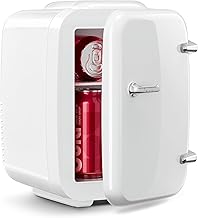
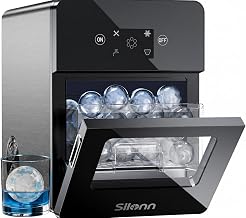
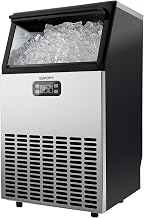
This is the pick for anyone actually building a bar: 120 lbs per 24 hours, a refrigerated no-melt storage bin so your ice does not slump into a block overnight, and a 24-hour timer that lets you have a full bin waiting when guests arrive. It installs built-in or freestanding, and the self-cleaning cycle spares you from disassembling the water path every few months.
16 Cu. Ft. French Door Refrigerator with Ice Maker
A sensible fit for galley kitchens and apartments where 30 inches is all you have, with a bottom-mount freezer drawer that keeps frozen goods at knee height instead of eye level. Frost-free auto defrost means no scraping, and the stainless look finish handles fingerprints better than true polished steel.
20 Cu. Ft. French Door Refrigerator with Nugget and Cube Ice
Dual ice formats in one door is the standout here — chewable nugget for cold brew and cocktails, standard cubes for everything else, plus a water dispenser that saves you opening the door. The side-mounted freezer layout gives you unusually deep fresh-food shelves for a 20 cubic foot footprint.
Antarctic Star 17.5 Cu Ft French Door Refrigerator
The inverter compressor is the reason to look at this one: it modulates instead of cycling hard on and off, which means steadier temperatures, quieter operation, and lower draw over a year. Multi-air flow cooling plus an LED touch display make it feel a tier above its price, and the automatic ice maker is built in rather than bolted on.
18 Cu. Ft. French Door Refrigerator with Ice Maker
A well-balanced middle option with three cooling modes so you can bias the box toward produce, leftovers, or a big grocery haul. UL certification and frost-free operation cover the fundamentals, and the freezer drawer glides out far enough to actually see what is in the back.
Frequently Asked Questions
Can I install an ice maker refrigerator without a plumber?
Usually yes, if there is a cold water line within reach. Shut off the supply, install a quarter-turn stop valve, run braided line to the fridge inlet, then leave a towel underneath and check the connection twice over the first 24 hours.
How long until the first batch of ice?
Expect 6 to 12 hours for a built-in fridge ice maker to fill the bin, and discard the first two batches to clear manufacturing residue from the tray and lines.
Do undercounter ice makers need a dedicated circuit?
Not typically, but they should not share a circuit with a microwave or toaster oven. Check the nameplate amperage and keep the outlet accessible rather than sealed behind cabinet panels.
Why does my ice taste stale?
Almost always the water filter or slow bin turnover. Replace the filter every six months and dump the bin fully every few weeks so old ice is not absorbing freezer odors.
Final Thoughts
For serious volume in a bar or entertaining space, the SOZT undercounter unit is the clear tool for the job with its 120 lb daily output and refrigerated storage. If you need one appliance to do everything, the Antarctic Star 17.5 Cu Ft earns the nod for its inverter compressor and quiet, stable cooling, while the 20 Cu. Ft. nugget-and-cube model is the pick for anyone who cares as much about ice texture as ice quantity.