Key takeaways
- Clearance first, size second: Measure your walkways before anything else. You want 36 inches minimum around the island and 42 to 48 inches if two people cook or a dishwasher door swings into the aisle. Tape the footprint on the floor and live with it for a day.
- Top material: Solid hardwood can be sanded and re-oiled forever, which makes it the long-game choice. Faux marble and laminate look sharp and wipe clean but chip at the edges and cannot be repaired. Cut on wood, prep on stone-look.
- Mobile or stationary: Casters mean flexibility, but they also mean a top that shifts under kneading pressure unless the locks are decent. Stationary butcher-block units feel more like real cabinetry. If you buy wheels, check that at least two lock.
- Power and outlets: Built-in outlet strips have gotten common and they’re genuinely useful for a stand mixer or a laptop. Check the cord length and plan where it runs so you’re not taping wire across a walkway.
- Assembly reality: Budget two to three hours and a second pair of hands for anything over 60 inches. Pre-drilled cam-lock construction goes fast; anything requiring you to square a frame yourself deserves a rubber mallet and patience.
What's inside
Anyone who has tried to cube an onion on twelve inches of counter beside the sink knows the real problem isn’t storage or style: it’s surface area. Most kitchens built before 2010 were laid out for a single cook and a much smaller pile of small appliances, and the fix that gets floated most often — knocking out a wall, pouring a custom quartz slab — costs more than a used car. A freestanding island solves the same problem for a fraction of that, and because it isn’t bolted to anything, you can wheel it out of the way when the family shows up.
I’ve assembled a fair number of these over the years, and the differences that matter aren’t the ones in the marketing copy. What matters is whether the top is a solid slab or veneered particleboard, whether the casters lock properly, whether the drawer boxes are stapled or doweled, and whether the whole thing racks when you lean on it. Below are the islands worth your weekend, sorted by what they’re actually good at, plus what to look for before you order.
As an Amazon Associate we earn from qualifying purchases.



How to Choose a Kitchen Island (2026)
- Clearance first, size second: Measure your walkways before anything else. You want 36 inches minimum around the island and 42 to 48 inches if two people cook or a dishwasher door swings into the aisle. Tape the footprint on the floor and live with it for a day.
- Top material: Solid hardwood can be sanded and re-oiled forever, which makes it the long-game choice. Faux marble and laminate look sharp and wipe clean but chip at the edges and cannot be repaired. Cut on wood, prep on stone-look.
- Mobile or stationary: Casters mean flexibility, but they also mean a top that shifts under kneading pressure unless the locks are decent. Stationary butcher-block units feel more like real cabinetry. If you buy wheels, check that at least two lock.
- Power and outlets: Built-in outlet strips have gotten common and they’re genuinely useful for a stand mixer or a laptop. Check the cord length and plan where it runs so you’re not taping wire across a walkway.
- Assembly reality: Budget two to three hours and a second pair of hands for anything over 60 inches. Pre-drilled cam-lock construction goes fast; anything requiring you to square a frame yourself deserves a rubber mallet and patience.
The Best Kitchen Islands (2026) Reviewed
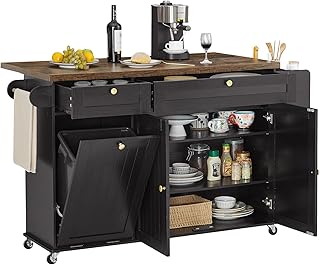
60″ Kitchen Island with Trash Can Storage
The concealed trash bay is the feature that earns its keep here — pulling a bin out from under the prep surface saves the constant walk to the corner of the room. Between the drop leaf, the power outlet, and the adjustable interior shelf, this is the most complete package on the list for a mid-size kitchen, and the black-over-rustic-brown finish hides scuffs better than white ever will.
71″ Modern Kitchen Island with Faux Marble Top
This is the one to buy if you want the island to read as built-in cabinetry rather than furniture. At 71 inches with counter-height seating for four and a dedicated fridge cavity, it functions as a genuine second work zone, though the faux marble surface wants a cutting board and coasters rather than direct abuse.
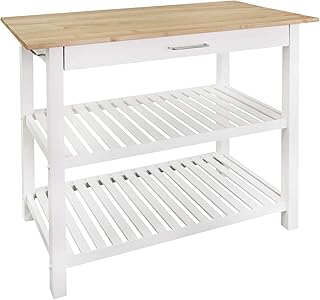
Casual Home Kitchen Island, Solid Hardwood Top
American hardwood on a natural-and-white base, and at 40 inches wide it fits kitchens where the bigger units simply won’t. The top is the reason to choose it: oil it twice a year and it will outlive the cabinet below it, which is not something you can say about most islands in this price bracket.
Homestyles Mobile Island Cart with Dropleaf
Homestyles has been building this general design for a long time and the joinery shows it — the frame stays square and the drawers run true. The dropleaf breakfast bar converts a prep station into a two-seat perch in about four seconds, and the blue finish is a pleasant break from the endless white and gray.
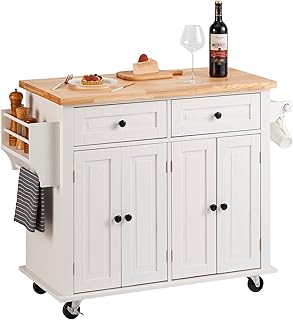
VEVOR Kitchen Island Cart, 35.4″
Best value on this list for apartments and galley kitchens. The spice rack and towel bar are the kind of details that only matter once you’ve cooked without them, and the height-adjustable interior shelves let you fit a stand mixer inside instead of leaving it on the counter.
Frequently Asked Questions
How much clearance do I need around an island?
Thirty-six inches is the working minimum for a single-cook kitchen. Push to 42 or 48 inches for a main walkway or where two people pass regularly. Anything tighter and you’ll feel it every day.
Can I use these tops as a cutting surface?
Solid hardwood tops, yes — that’s what they’re for. Faux marble, laminate, and veneer, no. Knife work will score the finish permanently and moisture will get into the seams.
Are rolling islands stable enough for real prep work?
With the casters locked, yes, for chopping and mixing. Heavy kneading or rolling pastry is better on a stationary unit, since even locked wheels flex slightly under lateral force.
Does an extendable island make sense over a fixed one?
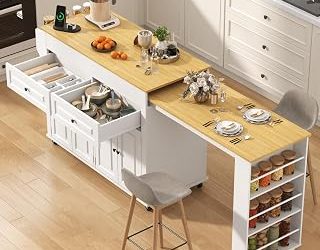
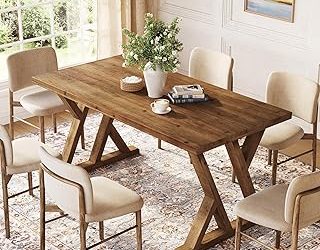
If your kitchen doubles as a dining space, absolutely. Something like the 80″-to-48″ extendable island collapses to a prep station on weekdays and opens into a real table when you have company, and the built-in outlet handles the slow cooker.
Final Thoughts
For most kitchens, the 60″ island with trash can storage is the smart default — it solves the most problems for the money and the outlet alone changes how you use the space. Step up to the 71″ faux marble island if you want permanent seating and a built-in look, or take the Casual Home hardwood-top unit if you’d rather have a surface you can maintain for decades in a footprint that fits a smaller room.