Key takeaways
- Measure the opening, not the fridge: Note width at the narrowest point, depth from the back wall to the cabinet face, and height under any soffit. Then subtract half an inch of side air gap and roughly two inches at the rear for the water line coil.
- Decide internal versus through-the-door: Internal dispensers keep the door panel clean and shed a few inches of depth, while through-the-door units are faster for filling a stockpot but push the door skin outward and complicate flush installs.
- Trace the water supply first: A saddle valve is a leak waiting to happen. Plan a proper stub-out with a quarter-turn stop, braided line, and enough slack to roll the unit forward for filter changes.
- Check the doorway path: Many models clear a 32-inch interior door only after the handles and hinge caps come off. Confirm the shipping width and whether the doors are field-removable before delivery day.
- Look at compressor placement and garage rating: Rear-mounted compressors eat depth, bottom-mounted ones eat interior volume, and only garage-ready units hold temperature in an unconditioned space.
What's inside
Anyone who has pulled a tape measure across a 33-inch cabinet opening knows the frustration that follows. The rough opening is fixed, the flanking cabinets are face-framed and glued, and the fridge you actually want is 35¾ inches of stainless steel. Add a water and ice dispenser to the wish list and the field narrows again, because plumbed models need a saucer-sized loop of ¼-inch line behind them plus breathing room at the coils. Most shoppers discover this halfway through demo day, with the old unit already on the dolly.
This guide is written from the other side of that job. I have shimmed, leveled, hinge-stripped, and re-plumbed enough of these to know where the real clearances hide, so below you will find models that either genuinely slot into a 33-inch bay or make sensible substitutes when your opening turns out to be more forgiving than you thought. Each pick is judged on cabinet fit, dispenser plumbing, serviceability, and how it behaves once the doors are hung and the water line is charged.
As an Amazon Associate we earn from qualifying purchases.


How to Choose a 33 Inch Wide Refrigerator With Water And Ice Dispenser (2026)
- Measure the opening, not the fridge: Note width at the narrowest point, depth from the back wall to the cabinet face, and height under any soffit. Then subtract half an inch of side air gap and roughly two inches at the rear for the water line coil.
- Decide internal versus through-the-door: Internal dispensers keep the door panel clean and shed a few inches of depth, while through-the-door units are faster for filling a stockpot but push the door skin outward and complicate flush installs.
- Trace the water supply first: A saddle valve is a leak waiting to happen. Plan a proper stub-out with a quarter-turn stop, braided line, and enough slack to roll the unit forward for filter changes.
- Check the doorway path: Many models clear a 32-inch interior door only after the handles and hinge caps come off. Confirm the shipping width and whether the doors are field-removable before delivery day.
- Look at compressor placement and garage rating: Rear-mounted compressors eat depth, bottom-mounted ones eat interior volume, and only garage-ready units hold temperature in an unconditioned space.
The Best 33 Inch Wide Refrigerator With Water And Ice Dispenser (2026)s Reviewed
Electactic 18.1 Cu. Ft. Side by Side with Built-in Ice Maker
This is the closest thing to a true narrow-bay side-by-side with both an ice maker and water dispenser, and the digital temperature control holds a steady setpoint once you give it 24 hours to settle. The garage-ready compressor is the sleeper feature here, making it a smart pick for a workshop beverage station or a basement build-out.
GE Profile 21.9 Cu. Ft. Counter-Depth French Door
The internal dispenser is the design decision that makes this one work in tight kitchens, since nothing protrudes from the door face and the counter-depth cabinet sits nearly flush with a standard 24-inch run. Fingerprint-resistant stainless earns its keep in a family kitchen, though the filter housing sits high inside and wants a clear shelf during swaps.
LG Smart French Door MAX 31.7 Cu. Ft.
If your opening measures wider than you feared, this is the volume play, and the internal dispenser keeps the exterior panel uninterrupted for a built-in look. Plan for a genuinely level floor here, because a big French door pair will telegraph any sag as a door that drifts open.
Kenmore 29 Cu. Ft. 36″ Side-by-Side
The space-saving through-the-door ice and water setup frees real estate inside the freezer, which is the whole point of a side-by-side, and Accela Chill recovers quickly after a long door-open session. This one needs a full 36-inch bay, so treat it as the option for a remodel where the cabinets are still on paper.
Frost-Free Apartment Refrigerator, 7.1 Cu. Ft.
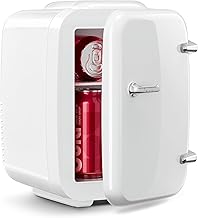
No dispenser here, but for a garage bar, dorm, or studio where you would rather run a countertop filter than a supply line, the double-door layout and adjustable thermostat cover the basics without a plumbing project. Frost-free operation is the detail that separates it from cheaper compact units you end up defrosting by hand.
Frequently Asked Questions
Will a 33-inch refrigerator actually fit a 33-inch opening?
Rarely without trimming. Aim for an opening at least an inch wider than the cabinet, plus depth for the water line, or plan on shaving the cabinet stiles.
Can I add a water line myself?
Yes, if you are comfortable tapping a cold supply with a proper stop valve and braided line. Skip saddle valves entirely and pressure-test before sliding the unit back.
Internal or through-the-door dispenser for a tight kitchen?
Internal, almost always. It reduces door projection, eliminates a drip tray on the front panel, and simplifies flush cabinet integration.
How long until the ice maker produces?
Expect 12 to 24 hours after the line is charged. Discard the first two or three batches to clear filter carbon and line residue.
Final Thoughts
For a genuinely narrow bay with both ice and water, the Electactic 18.1 side-by-side is the practical answer and the only one here that is happy in a garage. If your remodel gives you room to negotiate, the GE Profile counter-depth French door is the cleanest install in a standard cabinet run, while the LG MAX 31.7 is the one to specify when capacity outranks footprint.