Key takeaways
- Cycle time versus sustained output: Six-minute batches are a cold-start number. What you actually get over an afternoon depends on ambient temperature and water temperature, so start with cool water and expect a party-length session to land closer to 15–18 pounds than the headline 26.
- Footprint plus breathing room: Measure the cabinet opening, then add three to four inches behind and beside the unit. These are refrigeration systems, and a condenser starved of airflow will run hot, cycle longer, and produce soft, wet ice.
- Drain placement and tank access: A bottom-mounted drain plug means lifting a full machine over a sink every time you flush it. Side or rear drains, and a reservoir you can top off without moving anything, save real hassle over a season of use.
- Serviceability: Look for a lift-out basket, a reachable ice chute, and a removable water tank. Mineral scale and stray cube fragments cause most jams, and a design you can open with a butter knife beats a sealed shell every time.
- Noise and draw: Compressor units pull roughly 100–150 watts running, which matters if you’re feeding one from an RV inverter or a solar setup. Rubber-isolated pumps and a heavier chassis dampen the rattle noticeably.
What's inside
Bagged ice is a losing proposition. You pay a premium for a wet sack that fuses into a single brick in the back of the freezer, and the trays you fill by hand deliver eight cloudy cubes roughly six hours after you needed them. Bullet ice solves the throughput problem elegantly: hollow cylinders freeze from the outside in, so a small compressor can spit out a batch in minutes instead of hours. The trouble is that every listing on the market recites the same numbers — 26 pounds a day, nine cubes in six minutes, self-cleaning — which makes the shelf look like six copies of the same machine wearing different badges.
They are not the same machine. Having pulled the shells off a few of these and traced the water paths, the differences that matter are the ones nobody prints on the box: how the drain is positioned, whether the pump is isolated from the housing, how much clearance the vents demand, and whether a clogged chute means a screwdriver or a landfill. This guide sorts the current crop of countertop bullet makers by build quality and real-world serviceability, then covers the specs worth reading and the ones worth ignoring.
As an Amazon Associate we earn from qualifying purchases.


How to Choose a Bullet Ice Maker (2026)
- Cycle time versus sustained output: Six-minute batches are a cold-start number. What you actually get over an afternoon depends on ambient temperature and water temperature, so start with cool water and expect a party-length session to land closer to 15–18 pounds than the headline 26.
- Footprint plus breathing room: Measure the cabinet opening, then add three to four inches behind and beside the unit. These are refrigeration systems, and a condenser starved of airflow will run hot, cycle longer, and produce soft, wet ice.
- Drain placement and tank access: A bottom-mounted drain plug means lifting a full machine over a sink every time you flush it. Side or rear drains, and a reservoir you can top off without moving anything, save real hassle over a season of use.
- Serviceability: Look for a lift-out basket, a reachable ice chute, and a removable water tank. Mineral scale and stray cube fragments cause most jams, and a design you can open with a butter knife beats a sealed shell every time.
- Noise and draw: Compressor units pull roughly 100–150 watts running, which matters if you’re feeding one from an RV inverter or a solar setup. Rubber-isolated pumps and a heavier chassis dampen the rattle noticeably.
The Best Bullet Ice Makers (2026), Reviewed
26.5 lb Countertop Ice Maker with Two Bullet Sizes
A well-balanced generalist: nine cubes per cycle, two thickness settings, and a self-clean routine that actually circulates through the pump rather than just rinsing the tray. The included scoop and basket are basic, but the chute geometry is generous, which is why it jams less than most.
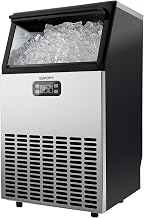
Frigidaire Countertop Portable Bullet Ice Maker
The black stainless shell is the sturdiest of the group and shrugs off fingerprints better than the glossy plastics, while the panel keeps things to the essentials. It runs slightly quieter than the budget tier, and the brand backing means replacement parts and support are easier to chase down.
EUHOMY Countertop Ice Maker
The recessed carry handle is the standout feature here — it makes moving a wet machine to the sink for draining a one-hand job instead of a bear hug. Output holds up well in a warm kitchen, and the lid window is large enough to check the basket without breaking the cycle.
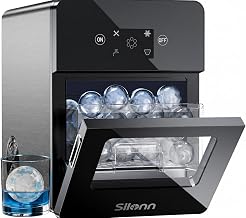
Silonn Countertop Ice Maker
Silonn’s eight-cube tray runs a slightly gentler duty cycle, which in practice yields firmer, less hollow bullets than machines pushing nine. It’s the pick for RV and camper use, where the compact body and forgiving power draw earn their keep.
NEWBULIG Countertop Ice Maker with Handle
A straightforward, black-finished workhorse with auto-cleaning and a molded handle, aimed squarely at people who want ice without a menu system. Fit and finish are honest rather than premium, but the internals are conventional enough that basic maintenance is trivial.
Frequently Asked Questions
Why is bullet ice hollow?
Water freezes around chilled metal prongs, so the ice forms as a shell and the unfrozen core drains away. That thin wall is why it chills a drink fast and why it melts faster than a solid cube.
Does the basket keep ice frozen?
No. The basket is insulated storage, not a freezer. Ice will slowly melt and recycle back into the reservoir, so transfer batches to your freezer if you’re stockpiling for a gathering.
What water should I use?
Filtered or distilled. Hard tap water scales the evaporator prongs and slows cycles within weeks; a monthly vinegar-and-water flush through the self-clean mode reverses most of it.
Can I run one in an RV or plumb it in?
Yes to RVs, provided your inverter handles the compressor surge. These are gravity-fed reservoir units, so permanent plumbing isn’t supported without modification.
Final Thoughts
For most kitchens, the Frigidaire countertop unit is the safest buy — better materials, quieter operation, and real support behind it. The 26.5 lb two-size model is the value sweet spot if you want maximum throughput per dollar, while the Silonn is the one to pack for camper and RV duty thanks to its modest power appetite and firmer cubes. Any of the three will end your relationship with the gas-station ice cooler.