Key takeaways
- All-in-one vs. chalk paint: All-in-one formulas fold primer and a degree of sealing into the paint itself, which cuts a full day off the job. Traditional chalk paint gives you the most beautiful matte texture but is porous by nature, so a topcoat is mandatory on a tabletop.
- Sheen level: Matte hides brush marks and old wood grain better than anything, but bare matte on a tabletop grabs grease. Plan on finishing matte paint with a satin or semi-gloss clear coat so you can actually wipe it down.
- Coverage math: A 5oz or 8oz jar covers roughly a nightstand or a set of chair legs. A standard six-seat table plus base realistically needs a quart or two 8oz jars minimum, and it’s better to overbuy than to chase a dye lot later.
- Odor and ventilation: Dining rooms are usually in the middle of the house with no windows to speak of. Water-based, low-VOC formulas let you work indoors in January without evacuating the family.
- Adhesion on your specific surface: No-sanding claims hold up well on raw and previously painted wood. Glossy factory laminate, IKEA veneer, and anything with a silicone furniture polish history still need a scuff sand and a degreaser wipe, no matter what the label promises.
What's inside
A dining table takes more abuse than almost any other piece of furniture in the house. Hot plates, sweating glasses, elbows, homework, spilled wine, and a kid dragging a fork across the surface at 6pm on a Tuesday. That’s why so many refinishing projects go sideways: people grab a can of leftover wall paint, roll it on, and three weeks later the finish is peeling off the edges in strips. The problem isn’t skill, it’s chemistry. Wall paint was never designed to survive a plate of lasagna.
This guide walks through paints that actually hold up on a horizontal eating surface, based on how they behave in a real workshop, not on marketing copy. We cover the all-in-one formulas that skip sanding and priming, the chalk paints that need a topcoat, the colors worth committing to, and the small-batch sizes that let you test a leaf before you commit to the whole table. We also cover the part most guides skip: sealing, cure time, and why your table needs to sit untouched longer than you want it to.
As an Amazon Associate we earn from qualifying purchases.




How to Choose a Paint For Dining Table (2026)
- All-in-one vs. chalk paint: All-in-one formulas fold primer and a degree of sealing into the paint itself, which cuts a full day off the job. Traditional chalk paint gives you the most beautiful matte texture but is porous by nature, so a topcoat is mandatory on a tabletop.
- Sheen level: Matte hides brush marks and old wood grain better than anything, but bare matte on a tabletop grabs grease. Plan on finishing matte paint with a satin or semi-gloss clear coat so you can actually wipe it down.
- Coverage math: A 5oz or 8oz jar covers roughly a nightstand or a set of chair legs. A standard six-seat table plus base realistically needs a quart or two 8oz jars minimum, and it’s better to overbuy than to chase a dye lot later.
- Odor and ventilation: Dining rooms are usually in the middle of the house with no windows to speak of. Water-based, low-VOC formulas let you work indoors in January without evacuating the family.
- Adhesion on your specific surface: No-sanding claims hold up well on raw and previously painted wood. Glossy factory laminate, IKEA veneer, and anything with a silicone furniture polish history still need a scuff sand and a degreaser wipe, no matter what the label promises.
The Best Paint For Dining Table (2026)s Reviewed
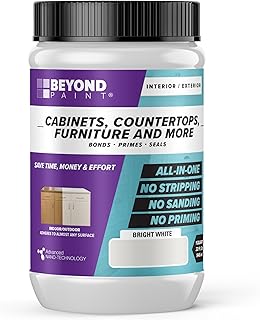
BEYOND PAINT All-in-One Refinishing Paint, Bright White (Quart)
This is the one I reach for when the whole table needs to change color, because a quart actually covers a full six-seater with a second coat to spare. The thick, self-leveling body fills minor grain and lays down without brush tracks, and its all-in-one bond means you can hit slick veneer with nothing more than a degreaser wipe first.
Furniture Paint Kit 5oz with Tools, French Roast
The included brush and mini roller make this the smartest starting point for a first-timer, since you’re not guessing at applicator size. French Roast is a deep warm brown that reads far more expensive than the price suggests on an oak or pine base, and the low-odor water-based formula is genuinely tolerable in a closed dining room.
Chalky Chicks Starless Night, Matte Black
A true matte black is the hardest finish to pull off well, and this one lays down opaque in two coats without the chalky streaking cheap black paints leave behind. It’s recoatable in about half an hour, which means a table base can go from bare to finished in a single afternoon, but seal it properly or every fingerprint will show.
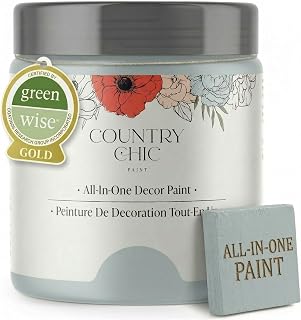
Country Chic All-in-One, Belle of the Ball
Country Chic builds primer and a light topcoat into the formula, so it’s the most forgiving option for someone who doesn’t want to fuss with wax or poly. Belle of the Ball is a soft, dusty light blue that works beautifully on chairs and a table base paired with a natural wood top.
DWIL Matte Finish Furniture Paint, White
DWIL’s white is a clean, slightly warm neutral that doesn’t go blue-gray under LED bulbs, which is a common failure with budget whites. The odorless water-based formula and small 5oz jar make it ideal for testing a table leaf or refreshing chair spindles before you commit to a full refinish.
Frequently Asked Questions
Do I really need a topcoat on a dining table?
Yes. Even all-in-one paints benefit from two or three coats of water-based polyurethane or a hard-wearing acrylic sealer on the horizontal eating surface. The vertical legs and base can usually go without it.
Can I skip sanding entirely?
On raw wood or previously painted furniture, usually yes. On glossy factory finishes, laminate, or anything that’s been polished with a silicone spray, give it a quick pass with 220-grit and a degreaser wipe. Ten minutes of prep prevents a peeling finish.
How long before we can eat on it?
Paint dries to the touch in under an hour but cures much slower. Wait 24 hours before light use and a full seven days before putting anything hot or wet directly on the surface. Rushing cure time is the single most common reason painted tables fail.
Should I brush, roll, or spray?
A high-density foam roller on the flat top and a quality synthetic brush for edges and turnings gives the smoothest result with the least equipment. Spraying is faster but requires thinning, masking, and a space you don’t mind coating in overspray.
Final Thoughts
For a full table refinish where you want maximum durability and enough volume to finish the job, BEYOND PAINT’s quart of Bright White is the most practical buy on this list. If you’re working on a smaller table or want to start with the chairs, the Furniture Paint Kit in French Roast gets you painting immediately with the right tools in the box, and Chalky Chicks Starless Night is the pick for anyone chasing that deep matte black farmhouse look, provided you commit to sealing it properly.