Key takeaways
- Water-based vs. oil-based: Water-based stays crystal clear and dries in two hours, so you can lay three coats in a weekend. Oil-based ambers slightly over time, which flatters walnut and oak, and cures harder against heat and spills. Water-based over white paint or maple, oil-based over darker species.
- Sheen affects maintenance, not just looks: Gloss shows every fingerprint and haze ring but wipes clean easily. Satin hides scratches and dust nibs, which is why most production furniture uses it. Semi-gloss splits the difference and is the safest bet if you’re undecided.
- Application method: Brushable coatings need a quality synthetic or natural-bristle brush and a dust-free space. Wipe-on formulas go down with a lint-free rag, forgive mistakes, and never leave brush marks, but require five or six thin coats to match brushed film thickness.
- Coverage math: A standard six-foot table needs roughly 25 square feet per coat including the apron. Three coats means about 75 square feet, so a quart is comfortable for one table. Half-pint sizes are for touch-ups and small projects, not full tabletops.
- Cure time versus dry time: Dry-to-touch is not ready-for-dinner. Give any polyurethane at least seven days before setting hot plates on it, and a full three weeks before assuming full chemical resistance. Rushing this step is the most common reason finishes fail.
What's inside
A dining table takes more abuse than almost any other piece of furniture in the house. Hot casserole dishes, sweating glasses, kids pressing down hard with crayons, someone’s laptop dragged across the surface every morning. If you’ve ever sanded a tabletop back to bare wood because the old finish went cloudy and peeled in sheets, you know the frustration: the finish choice matters more than the sanding, the staining, or the wood itself. Pick a thin wiping varnish for a heavily used farmhouse table and you’ll be recoating within a year. Pick a thick self-leveling product for a delicate figured maple top and you may bury the grain under plastic.
This guide breaks down six polyurethanes that hold up on real dining surfaces, based on how they actually behave under a brush in a garage workshop rather than how the marketing copy reads. We’ll cover the tradeoffs between water-based and oil-based formulas, sheen decisions you can’t easily undo, and which products are forgiving enough for a first-time refinisher versus which ones reward patience and technique.
As an Amazon Associate we earn from qualifying purchases.


How to Choose a Polyurethane For Dining Table (2026)
- Water-based vs. oil-based: Water-based stays crystal clear and dries in two hours, so you can lay three coats in a weekend. Oil-based ambers slightly over time, which flatters walnut and oak, and cures harder against heat and spills. Water-based over white paint or maple, oil-based over darker species.
- Sheen affects maintenance, not just looks: Gloss shows every fingerprint and haze ring but wipes clean easily. Satin hides scratches and dust nibs, which is why most production furniture uses it. Semi-gloss splits the difference and is the safest bet if you’re undecided.
- Application method: Brushable coatings need a quality synthetic or natural-bristle brush and a dust-free space. Wipe-on formulas go down with a lint-free rag, forgive mistakes, and never leave brush marks, but require five or six thin coats to match brushed film thickness.
- Coverage math: A standard six-foot table needs roughly 25 square feet per coat including the apron. Three coats means about 75 square feet, so a quart is comfortable for one table. Half-pint sizes are for touch-ups and small projects, not full tabletops.
- Cure time versus dry time: Dry-to-touch is not ready-for-dinner. Give any polyurethane at least seven days before setting hot plates on it, and a full three weeks before assuming full chemical resistance. Rushing this step is the most common reason finishes fail.
The Best Polyurethane For Dining Table (2026)s Reviewed
Varathane Water-Based Ultimate Gloss
This one earns its keep on light woods and painted tops where an oil-based finish would cast an unwanted yellow tint. Dry time is genuinely fast, so multiple coats in one day is realistic, though the half-pint size means you’ll want two containers for a full table plus legs.
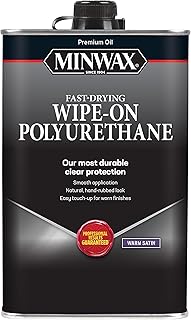
Minwax Fast Drying Polyurethane, Warm Satin
The workhorse choice for oak, walnut, and cherry dining tables, delivering that slightly warm depth that oil-based finishes are known for. It levels well with a good brush, and the satin sheen hides the minor dust specks that inevitably land during an overnight cure in a home shop.
Varathane Triple Thick Polyurethane Gloss
Built for people who want maximum protection with minimum coats, this self-leveling formula lays down roughly the thickness of three standard applications in one pass. It shines on flat tabletops but wants to sag on vertical legs and aprons, so work horizontal surfaces first and thin your approach elsewhere.
Minwax Fast Drying Polyurethane, Clear Semi-Gloss
The most versatile pick here for anyone who can’t decide on sheen, giving a subtle luster without the mirror-like glare of full gloss. Same reliable oil-based durability as the warm satin version, with slightly less grain-hiding forgiveness.
Minwax Polycrylic Protective Finish, Satin
Low odor, water cleanup, and near-zero ambering make this the go-to for indoor projects where ventilation is limited or the wood is pale. It’s slightly softer than oil-based poly, so it suits dining tables that see moderate rather than punishing daily use.
Frequently Asked Questions
How many coats does a dining table need?
Three coats minimum for oil-based, four to five for water-based since each film builds thinner. High-traffic family tables benefit from a fourth or sixth coat on the top surface only.
Should I sand between coats?
Yes. A light scuff with 320-grit paper or a fine sanding sponge knocks down dust nibs and gives the next coat mechanical grip. Vacuum and wipe with a tack cloth before recoating.
Can I use polyurethane over stain?
Absolutely, but let the stain dry fully first, typically 24 hours for oil-based stains. Applying poly over damp stain traps solvent and produces a soft, tacky finish that never hardens properly.
Will polyurethane resist hot dishes?
Fully cured polyurethane handles warm plates but not cookware straight from the oven. Use trivets regardless of the product claim, since heat softens the film and leaves permanent white clouding.
Final Thoughts
For most dining tables, the Minwax Fast Drying Polyurethane in Warm Satin remains the most reliable all-around choice, offering proven durability and a forgiving application window. If you’re finishing pale or painted wood and need absolute clarity, reach for the Varathane Water-Based Ultimate Gloss or Minwax Polycrylic in satin. And when you want serious protection without a weekend of recoating, the Varathane Triple Thick delivers exactly what it promises on flat surfaces.