Key takeaways
- Water-based vs. oil-based: Water-based dries clear and stays clear, which matters on maple, ash, and white-painted bases. Oil-based lays down a warm amber tone and builds a slightly tougher film, so it suits walnut, cherry, and antique pine.
- Sheen: Satin hides fingerprints, dust, and minor scuffs better than anything else, making it the default for a table in daily use. Gloss shows off figured grain and wipes cleaner, but it telegraphs every swirl mark from your sanding.
- Coat count and film build: A dining surface wants three to four thin coats, not two heavy ones. Thin coats cure harder, level better, and are far less likely to trap brush marks or bubbles.
- Dry and recoat time: Fast-drying formulas let you knock out multiple coats in one day, which is huge if you only have a weekend. Slower oil-based products give you more open time to brush out a large top without lap marks.
- Coverage math: Measure your top, apron, and legs, then double it for two-sided coating. A quart handles most six-seat tables at three coats; buying a gallon is cheaper per square foot if you have a bench or chairs in the queue.
What's inside
A dining table takes more abuse than almost any other piece of furniture in the house. Hot dinner plates, sweating glasses, spilled red wine, a toddler working a fork like a chisel — the finish is the only thing standing between all of that and bare wood. Most people who refinish a table only discover the difference between finishes after the fact, when a water ring shows up on a surface they spent a weekend sanding, or when an oil-based topcoat ambers a white oak tabletop into something closer to honey pine.
The good news is that the right can of polyurethane makes this a genuinely achievable weekend project. This guide covers the finishes I keep on the shelf and reach for on real tabletops, plus the practical tradeoffs between water-based and oil-based, satin and gloss, and thin coats versus thick self-leveling pours. If you’re deciding what to brush onto a table you actually plan to eat off of, start here.
As an Amazon Associate we earn from qualifying purchases.


How to Choose a Polyurethane For Dining Room Table (2026)
- Water-based vs. oil-based: Water-based dries clear and stays clear, which matters on maple, ash, and white-painted bases. Oil-based lays down a warm amber tone and builds a slightly tougher film, so it suits walnut, cherry, and antique pine.
- Sheen: Satin hides fingerprints, dust, and minor scuffs better than anything else, making it the default for a table in daily use. Gloss shows off figured grain and wipes cleaner, but it telegraphs every swirl mark from your sanding.
- Coat count and film build: A dining surface wants three to four thin coats, not two heavy ones. Thin coats cure harder, level better, and are far less likely to trap brush marks or bubbles.
- Dry and recoat time: Fast-drying formulas let you knock out multiple coats in one day, which is huge if you only have a weekend. Slower oil-based products give you more open time to brush out a large top without lap marks.
- Coverage math: Measure your top, apron, and legs, then double it for two-sided coating. A quart handles most six-seat tables at three coats; buying a gallon is cheaper per square foot if you have a bench or chairs in the queue.
The Best Polyurethane For Dining Room Table (2026)s Reviewed
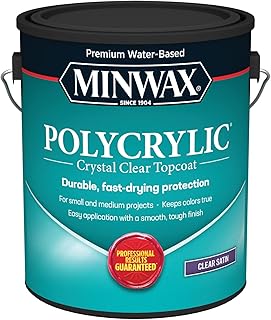
Minwax Polycrylic Protective Finish, Satin, Quart
This is the finish I hand to anyone doing their first table. It levels well with a synthetic brush or foam pad, dries fast enough for three coats in an afternoon, and stays water-clear over light woods and painted bases — no yellow cast six months down the road.
Varathane Water-Based Ultimate Gloss Polyurethane, Half Pint
The half pint is the smart buy for chairs, a small pedestal top, or a repair patch where you don’t want a quart curing in the can. The gloss build is genuinely crisp and it hardens quickly, though you’ll want a dust-free room since high sheen shows every speck it catches.
Minwax Fast Drying Polyurethane, Warm Satin, Quart
The classic oil-based workhorse, and still the toughest film in this lineup for the money. It ambers as it cures, which is a feature on walnut or a stained farmhouse top; thin it slightly with mineral spirits for the final coat and it flows out beautifully.
Varathane Triple Thick Polyurethane Gloss, Quart
One coat here equals roughly three ordinary ones, and the self-leveling formula does most of the work if you keep the surface dead flat. It shines on a horizontal tabletop but sags on legs and aprons, so treat it as a top-only product and brush something thinner on the vertical parts.
Polyurethane Wood Finish Water Based Clear Gloss, 100ml
A 100ml bottle is a touch-up size, not a tabletop size. Keep one in the drawer for chair rungs, edge dings, and drop-leaf hinges where you’d otherwise open a full quart for ten minutes of work.
Frequently Asked Questions
How many coats does a dining table actually need?
Three coats minimum on the top, four if the table sees daily meals or kids. Scuff-sand lightly with 320-grit between coats and wipe with a tack cloth to remove the dust.
Will water-based polyurethane hold up to hot plates?
Modern water-based formulas resist heat and moisture well once fully cured, but no polyurethane loves a 400-degree casserole dish. Use trivets regardless of what you apply.
How long before I can eat off it?
Dry to the touch is not cured. Wait 72 hours before light use and a full week before placing anything heavy or leaving objects sitting in one spot, since a soft film will imprint.
Brush, foam, or spray?
A quality synthetic-bristle brush gives the best control on water-based finishes. Wipe-on application with a lint-free cloth is the most foolproof method for beginners because it makes runs and puddles nearly impossible.
Final Thoughts
For most dining tables, the satin Minwax Polycrylic is the safest and most forgiving choice, and the gallon size makes sense if you’re finishing chairs alongside the top. If you want a warmer, harder film on darker wood, the Minwax Fast Drying Polyurethane in Warm Satin remains the standard, while the Varathane Triple Thick earns its spot when you want maximum protection on a flat top with minimum coats.