Key takeaways
- Shopping for a carbon monoxide detector is different from shopping for most gadgets.
Shopping for a carbon monoxide detector is different from shopping for most gadgets, because the point is to put something quiet on a wall and forget about it. This keyword has one real constraint, a budget under 100 dollars, and that is generous. It lets you choose by format instead of squeezing for the lowest figure: plug-in with battery backup, battery-only, or a rechargeable portable unit with a screen. The decision is really about where the device will live and how much upkeep you will tolerate.
This guide is for homeowners, renters, landlords outfitting a unit, and anyone planning a 2026 camping or travel setup who wants a portable alarm. It compares six listings based only on their titles and does not make promises about how any device will perform. Where a title mentions a certification, we repeat it as stated and tell you to confirm it on the listing, since you should read the manufacturer instructions and local code requirements before installing anything.
Quick Picks
Our top picks



As an Amazon Associate we earn from qualifying purchases at no extra cost to you.
| Product | Best for | Key spec from the title |
|---|---|---|
| Kidde AA Battery CO Alarm | Simple battery-only placement | AA powered, LEDs, test-reset button, low battery indicator |
| Kidde Plug-in COP | Outlet placement with a backup | Plug-in with AA backup, 85 dB alarm |
| TOPTES CT-580 | Readout fans and travelers | Rechargeable, 0-1000PPM, TFT color display |
| Siterlink Plug-in | Low-maintenance outlets | 10 year replaceable battery |
| SITERWELL 7 Year | Digital display on a schedule | 7 year product life, LCD display |
| Kidde COBD Digital | Easy-to-read battery unit | Backlit digital display, 85 dB alarm |
How to Choose
Pick the power format first
Plug-in models with a battery backup keep working through an outage and need no routine battery swaps while the outlet is live, but they only fit where an outlet is available at a sensible height. Battery-only units can go anywhere, including bedrooms with few outlets and travel bags, but they depend on you remembering to replace cells. Rechargeable portables add a third path and work best when you will actually plug them in on a schedule. Think about a power cut as well: a plug-in with no working backup goes silent exactly when household systems are strained. Think too about who lives in the home, since a unit that nobody can reach to test is a unit nobody will test.
Look at the stated alarm and display features
Several titles mention an 85 dB alarm, which tells you the horn volume the manufacturer lists. Beyond that, check for a test button, status lights, a low battery indicator, and a hush or reset function. A digital display can show a reading, which some buyers like and others ignore. A display is a convenience, not a substitute for the audible alarm. Read the unit documentation to understand what the readout means. Ignore marketing adjectives like loud, powerful, or smart unless a number or a named feature backs them up, and remember that a longer feature list does not make a unit more suitable for your layout.
Check the product life and replacement plan
Detectors have an end-of-life date. Titles mention things like a 7 year product life or a 10 year replaceable battery, so you can compare how long each unit is intended to stay in service. Write the install date on the device or in a calendar, and plan on replacing the whole unit when the manufacturer says to, whatever the battery situation looks like. A long battery claim is not the same as a long service life, so look for both figures and be wary of a listing that gives only one. Budget models sometimes cut corners on documentation, so make sure a manual and clear instructions are included.
Confirm certifications on the listing
Do not rely on a title for certification claims, since titles get truncated. The SITERWELL title mentions ETL, but the text is cut off, so open the listing and confirm exactly what is stated. For every unit, look for a recognized safety listing on the product page and in the box. Placement matters as well, so follow the manufacturer instructions on height and distance from fuel-burning appliances.
The 6 Best Options
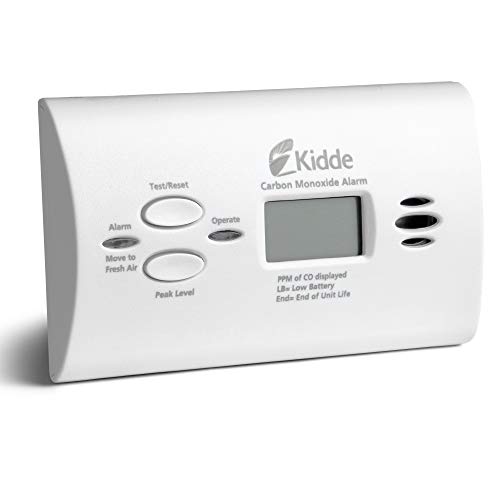
Kidde AA Battery CO Alarm
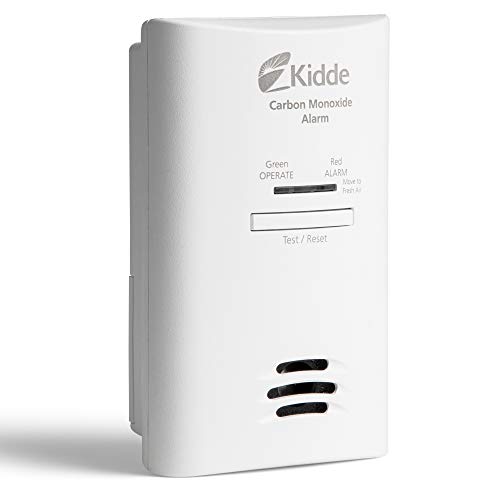
This is the plainest listing in the group: AA battery power, LEDs, a test-reset button, a low battery indicator, and a portable form. It suits renters, small apartments, and anyone who wants to place a detector where there is no outlet nearby, such as a hallway outside a bedroom or a spot near a garage door.
- Strength: battery power means placement is flexible and an outage changes nothing.
- Strength: a test-reset button and low battery indicator are spelled out in the title.
- Trade-off: you must keep spare AA cells on hand and replace them on schedule.
Skip it if you dislike battery maintenance or want a display; it lists LEDs only. Confirm certifications and unit life on the listing before buying.
Kidde Plug-in COP with Battery Backup
The title describes a plug-in alarm with AA battery backup, a rotating plug, power surge immunity, LED status lights, and a loud 85 dB alarm. The rotating plug helps it sit straight in outlets of different orientations, which is useful in older homes with sideways, crowded, or oddly placed outlets that make a fixed plug awkward.
- Strength: plug-in power with a battery backup keeps routine upkeep modest.
- Strength: the rotating plug adapts to horizontal and vertical outlets.
- Trade-off: it only works where an outlet sits at a suitable height, which may not match manufacturer placement guidance.
Skip it if your bedrooms lack outlets in sensible spots or you want a unit that travels with you. Confirm the details on the listing.
TOPTES CT-580 Portable Rechargeable Detector
This listing stands apart for its rechargeable design and TFT color display, with vibration, visual, and audible alarms and a stated 0-1000PPM range. That suits RV owners, campers, van dwellers, and anyone who wants a readout and a vibration alert as well as a horn, particularly in places where ambient noise from engines or generators is a factor.
- Strength: rechargeable power removes the AA battery routine.
- Strength: the vibration, visual, and audible alerts give three ways to notice the device.
- Trade-off: a rechargeable unit needs you to keep it charged, and the title does not say how long a charge lasts.
Skip it if you want a set-and-forget wall unit. Check the listing for certification details and charge time before you commit.
Siterlink Plug-in with 10 Year Battery
The title pitches a plug-in, plug-and-play monitor with a 10 year replaceable battery, and it also calls the unit portable. That mix fits buyers who want outlet convenience and fewer battery chores, such as landlords or owners of vacation rentals who have little time between guests and would rather not visit a unit just to swap cells.
- Strength: a 10 year replaceable battery is the longest stated service window in this group.
- Strength: plug-and-play wording points to a simple setup without tools.
- Trade-off: the title leaves out alarm volume and certification, so you will need to read the product page for both.
Skip it if you want a familiar household brand on the box or a clear alarm loudness figure right in the title.
SITERWELL 7 Year Detector with LCD
This one lists a 7 year product life, an LCD digital display, a sound warning, and a travel-friendly shape, plus a mention of ETL that is cut off in the title. It suits people who want a visible readout on a bedside table, in a camper, or on a shelf, and who like knowing the stated lifespan before purchase rather than after.
- Strength: the LCD display shows information at a glance.
- Strength: the 7 year product life is stated plainly.
- Trade-off: the certification wording is truncated, so confirm exactly what ETL language appears on the listing.
Skip it if you want a plug-in unit that never needs a battery thought. Read the manual for placement instructions either way, and confirm the display behavior and alarm details.
Kidde COBD Digital Display Alarm
This AA-powered model lists a digital backlit display, LED status lights, a loud 85 dB alarm, and a lightweight, portable body for travel or home. Pick it if you like the Kidde layout but want a screen. The backlight is a small but real convenience in a dark bedroom or a dim hallway, where a plain unit offers less information when you glance at it.
- Strength: the backlit display is easy to read in low light.
- Strength: it stays portable, so one unit can move between home and travel.
- Trade-off: battery power again means replacement chores.
Skip it if you want outlet power or do not care about a display. Confirm certification and unit life on the product page before buying.
Which One Fits Your Situation
You rent a small apartment
The Kidde AA Battery CO Alarm needs no outlet and moves with you when the lease ends. Keep spare batteries with it.
You manage a rental or vacation home
The Siterlink Plug-in lists a 10 year replaceable battery, which can reduce the number of routine visits. Check that its listing satisfies your local requirements, and keep a record of install dates for every unit so replacements happen on time rather than when a tenant complains.
You camp, travel, or live in an RV
The TOPTES CT-580 is rechargeable and portable, with a vibration alert for loud environments. The Kidde COBD is the AA alternative if you prefer replaceable cells.
You want an outlet-powered unit for a family home
The Kidde Plug-in COP combines plug-in power with a battery backup, and the rotating plug helps in awkward outlets. Place it according to the manufacturer instructions, and consider adding a battery-powered unit on another floor so every level of the house has its own device.
Common Mistakes
- Installing the detector somewhere the manual advises against, such as directly beside a fuel-burning appliance, in a damp spot, or behind furniture.
- Ignoring the end-of-life date and keeping an aging unit just because the lights still blink.
- Silencing a nuisance alarm and never investigating why it sounded, or never pressing the test button to learn what the sound is like before you need it.
- Relying on a display reading alone without understanding what the manual says it means.
- Buying on the longest stated lifespan without confirming the certification wording on the listing.
Related guides
- Battery Powered Floodlight Camera With Local Storage
- Cordless Drill Brush Attachment For Bathroom Grout
- Rechargeable Emergency Lantern For Power Outages
Frequently Asked Questions
Is a plug-in or battery-only unit better?
It depends on placement and upkeep. Plug-ins with a backup keep working through an outage but need a suitable outlet, while battery-only units go anywhere but need replacement cells.
How often should a detector be replaced?
Follow the manufacturer’s stated product life, which these listings put at several years. Mark the install date so you do not forget, and replace the unit if it shows an end-of-life or fault signal described in the manual, even when the batteries are new.
Does a display make a detector safer?
A display adds information but does not replace the audible alarm. Treat it as a convenience and read the manual to understand its readings.
Where do I confirm certifications?
Open the listing, read the product details and any printed labels on the unit, and compare them against your local requirements. Titles are often truncated and should not be your only source.
More from Amazon
Programs that pair well with the guide above. Offers and eligibility are set by Amazon and may change.
A free business account with business pricing and bulk-buying tools for work, shop or home office.
Create a business accountFree shipping on eligible items, Prime Video and more. Eligible new members can start with a free trial.
Start a Prime free trialAudiobooks and podcasts to listen to on the go. Eligible new members can start with a free trial.
Try Audible freeAd-free music streaming. Eligible new subscribers can start with a free trial.
Try Music Unlimited freeAs an Amazon Associate we earn from qualifying purchases.