Key takeaways
- Motor count determines your positions: A single motor moves the back and footrest together on one linkage, so you get a fixed arc and nothing else. Dual motors separate them, unlocking infinite position and true 180° lay-flat. Three motors add independent headrest or lumbar articulation — worth it if you nap in the chair or need cervical support.
- Measure the seat, not the footprint: Standard seats run 20–22 inches between arms. A 26-inch extra-wide seat changes everything for a big-and-tall user, but check your doorways and the wall clearance behind the chair before committing. Infinite-position models need 4–8 inches of rear clearance unless they’re a wall-hugger design.
- Footrest extension is the overlooked spec: Anyone over 5’10” will find a standard footrest ends mid-calf, which defeats the point of lying flat. Look for extended or telescoping footrests, and confirm the total flat length rather than trusting the marketing photo.
- Upholstery is a maintenance decision: Faux leather wipes clean in seconds and suits caregiving situations, but it gets clammy in warm rooms and can crack at stress seams over years. Woven fabric breathes better and hides wear, though spills become a project. Pick based on who’s using it and how often.
- Check the electronics you’ll actually touch: Heat that only warms the lumbar panel is different from full-back heat. Massage motors vary from four to eight zones. Most important: locate the USB and Type-C ports before buying — a port buried under the seat frame is functionally useless, while side-mounted ports and a wireless charging pad on the arm get used daily.
What's inside
Shopping for a power lift recliner is one of those purchases where the spec sheet tells you almost nothing about how the chair actually lives in a room. I’ve assembled, wired, and torn down enough of these to know the pattern: the listing photo shows a sleek profile, then the box arrives at 180 pounds in three sections, the backrest clips fight you, and six months later the single-motor scissor mechanism starts groaning because it’s doing two jobs at once. Meanwhile the buyer’s real problem — a parent who can’t rise from a standard armchair without help, or a bad lumbar spine that needs a genuine flat position — hasn’t been solved.
This guide approaches the 2026 lift recliner field from a hands-on angle: what’s under the upholstery, how the motor counts actually change what the chair can do, and which features hold up past the honeymoon phase. I’ve focused on dual and triple-motor infinite-position models, since those are where the meaningful engineering differences live, and I’ve flagged the practical details — arm clearance, footrest length, charging port placement — that only surface once the chair is in your living room.
As an Amazon Associate we earn from qualifying purchases.



How to Choose a/an Chair Inc Recliner (2026)
- Motor count determines your positions: A single motor moves the back and footrest together on one linkage, so you get a fixed arc and nothing else. Dual motors separate them, unlocking infinite position and true 180° lay-flat. Three motors add independent headrest or lumbar articulation — worth it if you nap in the chair or need cervical support.
- Measure the seat, not the footprint: Standard seats run 20–22 inches between arms. A 26-inch extra-wide seat changes everything for a big-and-tall user, but check your doorways and the wall clearance behind the chair before committing. Infinite-position models need 4–8 inches of rear clearance unless they’re a wall-hugger design.
- Footrest extension is the overlooked spec: Anyone over 5’10” will find a standard footrest ends mid-calf, which defeats the point of lying flat. Look for extended or telescoping footrests, and confirm the total flat length rather than trusting the marketing photo.
- Upholstery is a maintenance decision: Faux leather wipes clean in seconds and suits caregiving situations, but it gets clammy in warm rooms and can crack at stress seams over years. Woven fabric breathes better and hides wear, though spills become a project. Pick based on who’s using it and how often.
- Check the electronics you’ll actually touch: Heat that only warms the lumbar panel is different from full-back heat. Massage motors vary from four to eight zones. Most important: locate the USB and Type-C ports before buying — a port buried under the seat frame is functionally useless, while side-mounted ports and a wireless charging pad on the arm get used daily.
The Best Chair Inc Recliner (2026)s Reviewed
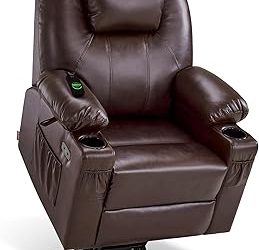
Dual Motor Power Lift Recliner with Heat, Massage & Wireless Charger
This is the best-integrated package in the group — the wireless charging pad and USB ports on the arm mean a phone, remote, and reading glasses all have a home without a side table. The dual-motor infinite-position mechanism reaches genuine lay-flat, and the beige leather is the easiest surface here to keep clean day to day.
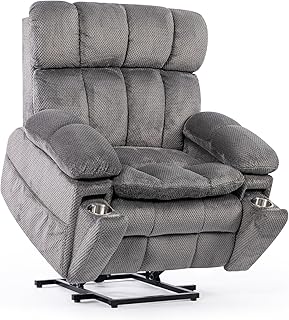
Dual Motor 26″ Extra Wide Lift Chair with Flip Arm Storage
The 26-inch seat is the headline, but the flip-arm storage compartments are the detail I appreciate most — remotes and medication stay contained instead of migrating to the floor. Zero-gravity positioning plus adjustable headrest makes this the strongest pick for extended sitting, provided you’ve confirmed your doorway width.
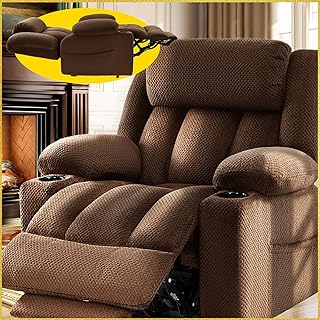
3 Motor Large-Wide Lift Chair with Extended Footrest
The third motor gives independent headrest control, which matters more than most buyers expect once they’ve used it. Combined with the extended footrest and 180° recline, this is the only chair here that comfortably fits a taller big-and-tall user lying fully flat.
Dual Motor Power Lift Recliner with Standing Assistance
A focused, well-built option that spends its budget on the lift mechanism rather than gadgetry. The standing-assist arc is smooth and controlled at the critical mid-point where cheaper chairs jerk, making this a sensible choice for daily mobility support.
MAHOMICO Power Lift Recliner with Lumbar Heating
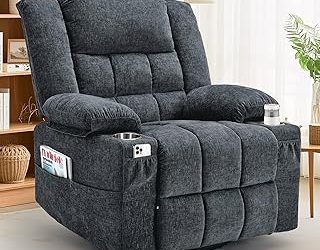
The targeted lumbar heat is genuinely useful for lower-back stiffness, and the compact single-sofa footprint suits apartments and smaller living rooms. Side pocket and dual cup holders cover the practical basics without inflating the price.
Frequently Asked Questions
How much assembly should I expect?
Most of these ship in two or three sections with the mechanism pre-installed. The backrest slides onto steel brackets and locks with clips or pins — a ten-minute job with two people, closer to thirty solo. Keep the shipping carton until you’ve tested every function.
What happens during a power outage?
Look for a battery backup port, usually a 9V connector on the transformer. It provides one emergency cycle to lower the chair from a reclined position. Buy the battery separately if it isn’t included; it’s cheap insurance.
Is a dual motor worth the extra cost over single?
Yes, for two reasons: infinite positioning lets you elevate your feet above your heart without lying fully back, and splitting the load across two actuators reduces wear on each. Single-motor chairs are fine for occasional use only.
What weight capacity do I actually need?
Choose a chair rated at least 50 pounds above the user’s weight. Ratings are measured static, but lift chairs work dynamically, and that margin is what keeps the scissor mechanism from stressing over years of cycles.
Final Thoughts
For most households, the Dual Motor Lift Recliner with Wireless Charger hits the best balance of build quality and genuinely useful features. Taller or heavier users should step up to the 3 Motor Large-Wide Lift Chair for its independent headrest and extended footrest, while the 26″ Extra Wide model with flip-arm storage is the smart pick when seat width and organized storage matter most.