Key takeaways
- Whole-yard weed or pest control: Solo 425 4-gallon piston backpack sprayer.
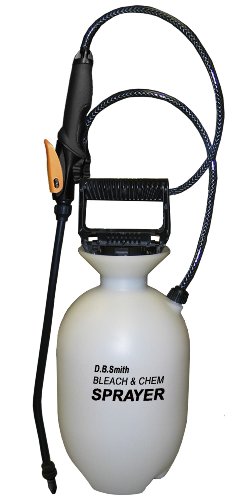
- Harsher or longer-contact products: D.B. Smith 1-gallon sprayer with Viton seals and gaskets.
- Small spot work: Chapin 20000 1-gallon sprayer.
- Quick lawn feeding and broadleaf weeds: Ortho Dial N Spray hose-end sprayer.
- Interchangeable nozzles: D.B. Smith 2-gallon chemical sprayer.
- Less pumping for large jobs: Scotts lithium-ion sprayer (3 gallons, wheeled, battery-powered).
- Tiny jobs and tight spaces: SOLO 2-liter hand sprayer.
- Heavy-duty backpack with Viton seals: Roundup 190314 4-gallon backpack sprayer.
The best chemical sprayers for home use are the Solo 425 or a comparable 4-gallon Chapin backpack sprayer for lawns and larger beds, the D.B. Smith 1-gallon pump sprayer with Viton seals for harsher products, the Chapin 20000 1-gallon sprayer for small spot jobs, and the Ortho Dial N Spray hose-end sprayer for quick, ready-diluting lawn feeding and weed control. The right pick depends on three things: how much ground you cover per session, how aggressive your chemicals are, and how precisely you need to control drift and dilution.
Pesticide and herbicide labels are legal documents. They specify the product, the dilution, the application rate, protective equipment, and weather limits. A sprayer is the tool that lets you follow those instructions accurately. A cheap sprayer with worn seals, a clogged nozzle, or no pressure relief valve makes it harder to apply the right amount and easier to expose yourself, your family, your pets, and neighboring plants. This guide covers what to look for, compares eight real options, and walks through the math for mixing and coverage.
Our top picks

As an Amazon Associate we earn from qualifying purchases at no extra cost to you.
Quick picks by job
- Whole-yard weed or pest control: Solo 425 4-gallon piston backpack sprayer.
- Harsher or longer-contact products: D.B. Smith 1-gallon sprayer with Viton seals and gaskets.
- Small spot work: Chapin 20000 1-gallon sprayer.
- Quick lawn feeding and broadleaf weeds: Ortho Dial N Spray hose-end sprayer.
- Interchangeable nozzles: D.B. Smith 2-gallon chemical sprayer.
- Less pumping for large jobs: Scotts lithium-ion sprayer (3 gallons, wheeled, battery-powered).
- Tiny jobs and tight spaces: SOLO 2-liter hand sprayer.
- Heavy-duty backpack with Viton seals: Roundup 190314 4-gallon backpack sprayer.
How we chose these sprayers
This is a research-based guide, not a bench comparison. We reviewed published specifications and 2026 buyer guides for sprayers sold to homeowners in the United States, then cross-checked each named product on tank size, seal material, wand and nozzle design, pressure behavior, and powering method. Several roundups quote different details for similar models, so where a spec could not be confirmed we describe the sprayer by class instead of guessing. We ranked by chemical compatibility, drift control, ease of mixing and filling, nozzle adjustability, cleanup, and how well the size fits a typical home yard. Always follow the label on the product you are spraying, because it overrides anything in a buyer guide.
What matters in a home chemical sprayer
Seal material: nitrile, EPDM, and Viton
Seals and gaskets are the first parts to fail when a sprayer meets the wrong chemical. Nitrile is adequate for most water-based lawn and garden herbicides and pesticides. EPDM suits many water-based products and some acids. Viton, a fluoroelastomer, resists harsher chemicals including bleach, strong acids and many solvents, which is why it is advertised on sprayers like the D.B. Smith 1-gallon, Solo 425, and Roundup 190314. Even Viton is not universal, and manufacturers such as Solo do not recommend their sprayers for aggressive acids or strong solvents. Check the product label for any sprayer compatibility statement before using it with a concentrate.
Tank size and carrying style
One-gallon pump sprayers suit spot treatments and patios. Four-gallon backpack sprayers suit whole yards because they free both hands and reduce refills. A full 4-gallon tank weighs over 30 pounds with water, so padded straps and a comfortable harness matter. Wheeled battery sprayers help if you cannot carry that weight, but they cost more and need a charged battery.
Pressure and pumping method
Pump sprayers build pressure by hand and drop in pressure as you spray, so spray patterns can vary unless you re-pump. Piston backpack sprayers like the Solo 425 hold a steadier working pressure, listed around 90 PSI. Battery sprayers maintain a constant pressure, which helps even application. A pressure relief valve is a safety feature: it lets you depressurize the tank before opening it, which prevents a spray of chemical in your face. Prefer a model with a relief valve or a safety valve.
Nozzle adjustability and drift control
Drift is chemical that moves off target as fine droplets. It damages neighboring plants and exposes bystanders. The best control is the nozzle: a coarse fan or cone tip with larger droplets drifts less than a fine mist. Adjustable nozzles let you switch between a stream for spot treatment and a fan for broad coverage. Interchangeable tips, as on the D.B. Smith 2-gallon sprayer, let you pick the right pattern for each product. Spraying low and slowly, with the wand close to the target, reduces drift further.
Mixing and filling ease
A wide mouth, clear measurement marks, and a removable filter make mixing easier. A filter basket or in-line filter protects the nozzle from clogs. A hose-end sprayer removes the mixing step by drawing concentrate from a reservoir as water flows, but it gives less control over concentration than a pump sprayer where you measure precisely. Label directions sometimes require a tank mix, and in that case a hose-end sprayer is not appropriate.
Cleanup and dedicated sprayers
Residue is a problem in two ways: it can clog nozzles, and it can harm plants if a sprayer is reused. Never use a sprayer that held herbicide for fertilizer or insecticide on plants you care about unless it has been triple-rinsed, and ideally keep a clearly labeled dedicated sprayer for herbicide. Rinse the tank, hose, wand, and nozzle after each use, and let it dry with the lid off.
The eight sprayers compared
| Sprayer | Type | Capacity | Seals and pressure | Nozzle and wand | Best fit |
|---|---|---|---|---|---|
| Solo 425 | Piston backpack | 4 gal | Viton seals, about 90 PSI, metal frame | TeeJet-compatible nozzles | Whole-yard spraying |
| Roundup 190314 | Backpack | 4 gal | Viton seals, about 150 PSI listed | Manual pump, check wand data | Large lawns, tough chemicals |
| D.B. Smith 1-gallon | Pump | 1 gal | Viton seals and gaskets | 36 in reinforced hose, two spray modes | Harsher products, small areas |
| D.B. Smith 2-gallon | Pump | 2 gal | Check data sheet, in-line filter | 21 in wand, five interchangeable nozzles | Varied jobs with different patterns |
| Chapin 20000 | Pump | 1 gal | Check data sheet, holds pressure well | 12 in wand | Small garden spot jobs |
| Scotts lithium-ion | Wheeled battery | 3 gal | Constant pressure, battery-powered | 29 in wand, fan, stream, cone | No-pumping large jobs |
| SOLO hand sprayer | Hand pump | 2 L | Pressure relief valve | No hose, drip guards | Spot treatments |
| Ortho Dial N Spray | Hose-end | Reservoir, hose-fed | Anti-backflow device | 3 spray patterns, 14 dilution settings | Routine lawn products |
Specifications are manufacturer-style or widely published values. Seal materials and pressure ratings sometimes differ between listings and generations, so confirm the data for your exact model before buying for a harsh chemical.
Detailed picks
Solo 425: best backpack for whole-yard jobs
Spec line: 4 gal · piston pump · about 90 PSI · Viton seals · metal frame · TeeJet-compatible nozzle
Best for: Homeowners with half an acre or less who spray weeds, pests, or disease control regularly and want a steady pressure.
Skip if: You mostly spot-treat a patio, since a full 4-gallon tank is heavy, or you plan to use strong acids or solvents, which the maker does not recommend.
- Pros: Steady pressure; Viton seals; metal construction; works with swap-in nozzles.
- Cons: Heavy when full; requires pumping while spraying; more costly than basic pump sprayers.
Roundup 190314: best for tough chemicals and larger yards
Spec line: 4 gal · backpack · about 150 PSI listed · Viton seals · manual pump
Best for: Larger lawns and brush where you need more reach and a chemical-resistant seal.
Skip if: You have a small yard or sensitive plants nearby and want a lighter sprayer.
- Pros: Viton seals; high listed pressure; comfortable carrying style.
- Cons: Heavy; listed pressure can produce fine droplets if you use a fine nozzle, increasing drift risk.
D.B. Smith 1-gallon: best chemical resistance for small jobs
Spec line: 1 gal · pump · Viton seals and gaskets · 36 in reinforced hose · two spray modes · locking trigger
Best for: Spot-treating weeds, patios, fence lines, and cases where a label calls for a more chemical-resistant sprayer.
Skip if: You want a pressure release valve or a large capacity.
- Pros: Viton seals; adjustable tip; comfortable grip; locking trigger.
- Cons: Instructions can be confusing; no pressure release valve, so depressurize carefully following the instructions.
D.B. Smith 2-gallon: best for nozzle variety
Spec line: 2 gal · pump · 21 in wand · five interchangeable nozzles (poly adjustable, brass adjustable, foaming, and two flat fan) · in-line filter
Best for: Owners who spray different products and need different patterns, such as a flat fan for herbicide on lawn and a foaming nozzle for specific uses.
Skip if: You want a chemical-resistant seal confirmed on the data sheet or the lowest cost.
- Pros: In-line filter helps prevent clogs; many nozzle choices; commercial-grade feel.
- Cons: Requires frequent pumping; some nozzle leakage reported.
Chapin 20000: best compact all-rounder
Spec line: 1 gal · pump · 12 in wand · compact and lightweight
Best for: Garden beds, spot weeds, and light-duty use where you want a simple, dependable sprayer.
Skip if: You cover a lot of ground or need documented Viton seals.
- Pros: Light; holds pressure without leaks; inexpensive; simple to use.
- Cons: Short wand; small tank means more refills; seal material is not specified.
Scotts lithium-ion sprayer: best for avoiding pumping
Spec line: 3 gal · wheeled · rechargeable lithium-ion battery · 29 in wand · fan, stream, and cone nozzle · up to 24 gallons per charge
Best for: Owners with mobility limits or large spray areas who want consistent pressure without pumping.
Skip if: You need a very lightweight sprayer or have a limited budget.
- Pros: Constant pressure; long wand; wheels reduce load.
- Cons: Higher price; some users report clogging, so filter your mixes; requires battery charging.
SOLO 2-liter hand sprayer: best for tiny jobs
Spec line: 2 L · hand pump · pressure relief valve · drip guards · about 1 lb
Best for: Treating a few weeds in cracks, small indoor plant care, and quick tasks.
Skip if: You are covering more than a small area. The tank empties quickly.
- Pros: One-handed use; relief valve; very light; locking trigger.
- Cons: Small capacity; pressure can be weak.
Ortho Dial N Spray: best hose-end option
Spec line: Hose-end · 3 spray patterns · 14 dilution settings · anti-backflow device
Best for: Quickly applying lawn fertilizer and products designed for hose-end application over open turf.
Skip if: Your product label requires a specific tank mix, you need precise dilution, or you spray near water, edible plants, or wind-sensitive areas.
- Pros: No mixing step; many dilution settings; anti-backflow device protects your household water line.
- Cons: Less precise than measuring in a tank; dial can wear with heavy use; coverage is less efficient on large lawns.
Worked example: mix the right amount and know your coverage
Use this logic before every job. The numbers are assumptions for illustration, so replace them with the label values of your product.
- Read the label. Suppose a herbicide label calls for 3 fluid ounces of concentrate per gallon of water, applied at 1 gallon of finished spray per 1,000 square feet.
- Measure your area. A 40 by 50 foot lawn area is 2,000 square feet.
- Find the finished spray volume. 2,000 divided by 1,000 gives 2 gallons of finished spray.
- Find the concentrate. 2 gallons times 3 ounces is 6 ounces of concentrate.
- Check the tank. A 1-gallon sprayer needs two fills with 3 ounces each. A 4-gallon backpack can take the whole job in one fill, so you would mix only 2 gallons, not a full tank.
- Calibrate. Spray plain water over a measured 100 square feet, such as a driveway section, and note how much water you used. If the tank used 1 quart per 100 square feet, you are applying 2.5 gallons per 1,000 square feet, which is 2.5 times the label rate, so you must walk faster or adjust the nozzle until you reach the label volume.
- Mix only what you need. Leftover mix is difficult to store safely and may degrade.
The calibration step is what separates a controlled application from guesswork. It also shows why hose-end sprayers are less precise: the dilution depends on water pressure and walking speed.
Which sprayer fits which job: decision matrix
| Your situation | What matters | Best fit |
|---|---|---|
| Spot weeds on patio and driveway | Small capacity, simple cleanup | Chapin 20000 or SOLO 2-liter |
| Whole lawn weed control | Capacity, steady pressure | Solo 425 or Roundup 190314 |
| Harsher concentrate on label | Viton seals | D.B. Smith 1-gallon or Solo 425 |
| Multiple products and patterns | Nozzle variety | D.B. Smith 2-gallon |
| Cannot carry heavy loads or pump | Battery and wheels | Scotts lithium-ion sprayer |
| Routine lawn feeding | Speed, no mixing | Ortho Dial N Spray |
Safety essentials for homeowners
- Read the label first and follow it exactly. The label sets the dilution, the rate, the required protective gear, re-entry times, and the weather limits.
- Wear protective equipment. Use chemical-resistant gloves, long sleeves and pants, closed shoes, and eye protection. Use a respirator only if the label calls for it.
- Control drift. Spray when the air is calm, avoid windy days, and keep the nozzle low. Never spray near open water, wells, or storm drains.
- Keep people and pets away. Keep children and pets out of the area until the product has dried or the label’s re-entry time has passed.
- Depressurize before opening. Release pressure through the valve before unscrewing the lid or fixing a clogged nozzle. Hold the nozzle away from your face.
- Do not mix products unless the label allows it. Some combinations release dangerous fumes or damage plants.
- Store and dispose of chemicals correctly. Keep concentrates in the original container, locked away from children, and follow local rules for leftover product and rinse water. Do not pour it down a drain.
- Wash up. Wash gloves, then wash hands and exposed skin with soap and water after you finish. Wash work clothes separately.
If you suspect poisoning or exposure, follow the first-aid section of the product label and contact Poison Control in the United States at 1-800-222-1222.
Cleaning and maintenance routine
- Spray the remaining mix onto the target area as the label allows. Do not dump it.
- Fill the tank about one quarter full with clean water, shake, and spray the rinse water onto the treated area.
- Repeat the rinse twice more for a triple rinse. A little dish soap helps remove residue.
- Clean the nozzle and filter with a soft brush. Do not poke a blocked nozzle with a pin or wire.
- Lubricate the pump O-ring with a silicone-based lubricant if the manual recommends it.
- Store the sprayer dry, depressurized, and with the lid loose so seals do not take a set.
Frequently asked questions
What sprayer should I use for weed killer?
A dedicated pump or backpack sprayer is best. Choose a 1-gallon pump sprayer for spots and a 4-gallon backpack for whole lawns.
Label the sprayer for herbicide use only so you never use it for plants you want to keep.
Do I need Viton seals?
Not for most water-based lawn and garden products, where nitrile is adequate. Viton matters for harsher chemicals like bleach or acids.
Check the product label for compatibility statements, and choose a sprayer with Viton if you use stronger concentrates.
Are hose-end sprayers good for pesticides?
They work for products labeled for hose-end use but are less precise than tank mixing. Dilution depends on water pressure and walking speed.
If the label requires a measured tank mix, use a pump or backpack sprayer instead.
How can I reduce spray drift?
Spray on calm days, keep the nozzle close to the target, and use a coarse nozzle setting that produces larger droplets.
Avoid high pressure with fine tips and never spray near open water, edible plants, or neighboring properties when the wind could carry the spray.
Can I use one sprayer for herbicide and insecticide?
It is better not to. Residue can harm plants if the sprayer is reused for other products, even after rinsing.
Keep a clearly labeled sprayer for herbicides and another for other products, and triple-rinse after every use.
How do I clean a chemical sprayer?
Triple-rinse the tank with clean water, spraying the rinse water on the treated area, then clean the nozzle and filter and let everything dry.
Wear gloves while cleaning, and never dump rinse water in a drain or near water sources.
How much pressure should a pump sprayer have?
Most home jobs work well with low to moderate pressure. Higher pressure creates finer droplets that drift more.
Use the pressure and nozzle recommended on the product label, and choose a coarser nozzle if drift is a concern.
Is a battery sprayer worth it for a home yard?
It is worth it if you spray large areas often or cannot pump comfortably. It gives constant pressure and reduces fatigue.
For occasional small jobs, a manual pump sprayer costs less and is simpler to maintain.
Bottom line
Choose the sprayer that fits your yard and your chemicals. The Solo 425 is the steady all-round backpack, the Roundup 190314 adds listed pressure and Viton seals, the D.B. Smith 1-gallon is the tougher small-job choice, the D.B. Smith 2-gallon gives nozzle variety, the Chapin 20000 and SOLO hand sprayer cover spot work, the Scotts lithium-ion sprayer removes the pumping, and the Ortho Dial N Spray keeps routine lawn jobs quick. Read the product label first, calibrate with water, wear protective equipment, and keep drift low.