Key takeaways
- Diameter vs. room size: Measure your space and subtract 36 inches on every side for chair pull-out and walking room. A 48-inch table needs a 10-foot-square footprint to feel comfortable, not cramped. Tape the circle on your floor before you order.
- Base geometry: Pedestal and curved-leg bases free up knee room and let you squeeze in an extra person. Four-leg designs are typically more rigid but block seating positions. Check the base footprint width, not just the tabletop.
- Material honesty: Look for stated core materials. Engineered wood with veneer is fine at this price tier if the edges are properly banded, but “wood strip base” and “reclaimed wood” descriptions deserve a close read of the specs before checkout.
- Extension mechanism: Removable leaves are simpler and less likely to fail than sliding butterfly hardware. If a table stretches from round to oval, confirm where the leaf lives when it’s out. Storage shelves under the top are a genuinely useful touch.
- Assembly reality: Most of these ship flat-packed with pre-drilled hardware. Budget 45 to 90 minutes, work on carpet or cardboard to protect the finish, and hand-tighten everything before final torquing so the base seats evenly.
What's inside
Round tables solve a problem square ones create: nobody gets stuck at a corner, and traffic flows around the edge instead of jamming up against it. But shopping for one exposes a different headache. Listings quote diameters without telling you how much clearance you actually need behind the chairs, pedestal bases vary wildly in stability, and half the “solid wood” tables arriving on your doorstep are MDF with a printed grain. If you’ve ever flipped a table over to inspect the hardware before assembly, you already know the tell: cheap cam locks and thin apron rails mean wobble by month three.
I’ve assembled, leveled, and lived with enough flat-pack furniture to know which specs matter and which are marketing. This guide covers six circular dining tables worth your money in 2026, from compact 41-inch pedestals for apartment kitchens to extendable models that stretch to 63 inches when family shows up. Below you’ll find the picks, a practical sizing framework, and answers to the questions that come up after the box is open.
As an Amazon Associate we earn from qualifying purchases.


How to Choose a Circular Dining Table (2026)
- Diameter vs. room size: Measure your space and subtract 36 inches on every side for chair pull-out and walking room. A 48-inch table needs a 10-foot-square footprint to feel comfortable, not cramped. Tape the circle on your floor before you order.
- Base geometry: Pedestal and curved-leg bases free up knee room and let you squeeze in an extra person. Four-leg designs are typically more rigid but block seating positions. Check the base footprint width, not just the tabletop.
- Material honesty: Look for stated core materials. Engineered wood with veneer is fine at this price tier if the edges are properly banded, but “wood strip base” and “reclaimed wood” descriptions deserve a close read of the specs before checkout.
- Extension mechanism: Removable leaves are simpler and less likely to fail than sliding butterfly hardware. If a table stretches from round to oval, confirm where the leaf lives when it’s out. Storage shelves under the top are a genuinely useful touch.
- Assembly reality: Most of these ship flat-packed with pre-drilled hardware. Budget 45 to 90 minutes, work on carpet or cardboard to protect the finish, and hand-tighten everything before final torquing so the base seats evenly.
The Best Circular Dining Table (2026)s Reviewed
43.3″–59″ Adjustable Round Farmhouse Table with Wood Strip Base
The slatted base is the standout here, giving a sculptural look that reads more custom-shop than big-box, and the walnut finish hides fingerprints better than lighter tones. Going from 43 to 59 inches makes it the most flexible pick for anyone hosting occasionally but living in tight quarters day to day.
Einhomn 47.2″ Round Dining Table
At 47 inches this hits the sweet spot for four everyday diners with room for a sixth chair when needed, and the black oak finish pairs well with both modern and transitional chairs. Assembly is straightforward, though I’d add felt pads to the base contact points on hardwood floors.
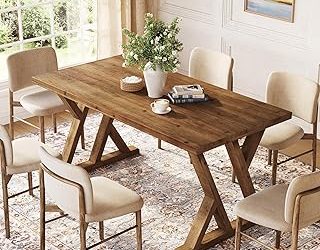
60″ Reclaimed Wood Pedestal Table
This is the entertainer’s choice: 60 inches genuinely seats six comfortably and eight in a pinch, and the curved pedestal legs mean nobody straddles a table leg. The natural finish shows character marks, which is the point, so don’t expect uniform grain.
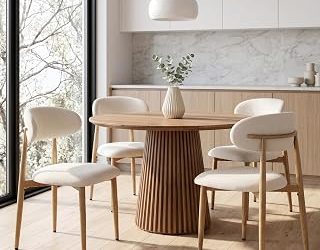
41.7″ Fluted Pedestal Table
The fluted column is the detail that sells this one, adding texture and shadow that flat pedestals lack. At just under 42 inches it’s the pick for breakfast nooks, apartment kitchens, or duty as an oversized coffee-and-conversation table.
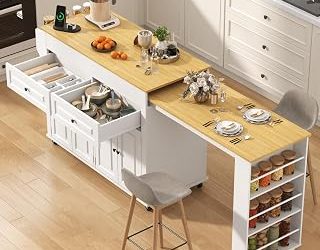
43.3″–59″ Extendable Round-to-Oval with Storage Shelf
Removable leaves plus a built-in storage shelf solves the classic extendable-table problem of where to stash the insert. The round-to-oval transition is clean, and the lower shelf earns its keep for linens or serving pieces.
Frequently Asked Questions
How many people fit around a round table?
Allow 24 inches of edge per person. A 42-inch table seats four, 48 inches seats four to six, and 60 inches handles six comfortably or eight if guests don’t mind elbows. Pedestal bases add roughly one seat versus four-leg designs.
Do pedestal bases wobble?
Not if assembled correctly. Wobble almost always traces to uneven floors or bolts tightened out of sequence. Snug everything by hand first, then torque in a cross pattern, and use adjustable glides or shims to level.
Is a round table better than rectangular for small rooms?
Usually yes. No corners means easier circulation and less visual bulk, and you can push a round table closer to a wall in a pinch. The tradeoff is less usable surface area per square foot of floor space.
How do I protect the finish?
Use coasters and trivets, wipe spills immediately, and skip ammonia-based cleaners on veneer or lacquer. A quality tablecloth or clear vinyl protector is worth it for households with kids.
Final Thoughts
For most homes, the Einhomn 47.2-inch round table hits the best balance of footprint, capacity, and price. If you regularly host, the 60-inch reclaimed wood pedestal is the one that earns its space, and the 43.3″–59″ extendable with storage shelf is the smartest choice for anyone who needs one table to do double duty.