Key takeaways
- Measure the short leg, not the long one: Chalk or painter’s tape the chaise footprint on your floor first, then find the largest rectangle left inside it. Your table length should land near two-thirds of the sectional’s shorter side, which usually means 40–48 inches rather than 54.
- Favor curves and cut corners: Oval, round, and clipped-corner tops let you slide past the chaise without a sharp edge waiting at knee height. If your chaise is on the traffic side of the room, a rounded top buys you inches you can’t get any other way.
- Check lift geometry, not just lift height: A good pop-up rides on paired steel scissor arms with a gas or spring assist, lifts to roughly 21–23 inches, and locks flat without wobble. Test the arms before final assembly; if one side binds, it’s almost always a slightly overtightened pivot bolt.
- Read the material spec like a builder: Most tables in this price range are engineered wood with veneer or fluted MDF panels, and that’s fine when the panel thickness is honest and the legs are solid hardwood. Look for pre-drilled dowels plus cam locks rather than screws driven straight into raw particleboard.
- Plan for the rug and the floor: Sectionals live on rugs, and rug pile makes legs uneven. Budget ten minutes for adhesive felt pads or nylon leveling glides so the top sits true and nothing gouges your finish when the table gets nudged.
What's inside
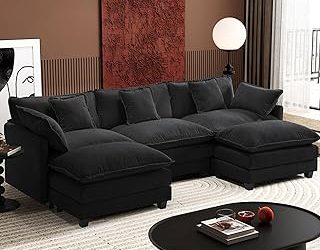
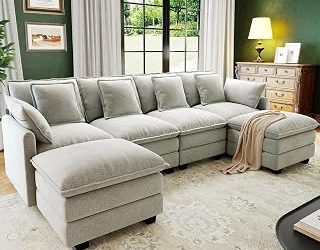
A sectional with a chaise breaks every rule your old coffee table was built for. The long arm of the L pushes seating out into the room, the chaise swallows a chunk of floor at one end, and suddenly that 48-inch rectangle you measured for is either colliding with somebody’s shins or stranded in the middle of the rug like an island nobody can reach. I’ve moved enough furniture on my own dolly to know the fix is rarely “buy smaller.” It’s buying the right shape, with the right lift or storage, sized to the walking lane the chaise leaves behind.
This guide is written from the floor up: tape measure, socket wrench, and a hard look at how these tables are actually put together. Below you’ll find six tables I’d recommend for chaise sectionals, followed by the measuring method I use, honest notes on lift mechanisms and hardware quality, and answers to the questions that come up once the box is open and the cam locks are staring back at you.
As an Amazon Associate we earn from qualifying purchases.



🛒 Best Price Today on Amazon
Prime members get fast, free shipping on everything above, plus member-only deals. New members get a 30-day free trial — cancel anytime.
How to Choose a Coffee Table For Sectional With Chaise (2026)
- Measure the short leg, not the long one: Chalk or painter’s tape the chaise footprint on your floor first, then find the largest rectangle left inside it. Your table length should land near two-thirds of the sectional’s shorter side, which usually means 40–48 inches rather than 54.
- Favor curves and cut corners: Oval, round, and clipped-corner tops let you slide past the chaise without a sharp edge waiting at knee height. If your chaise is on the traffic side of the room, a rounded top buys you inches you can’t get any other way.
- Check lift geometry, not just lift height: A good pop-up rides on paired steel scissor arms with a gas or spring assist, lifts to roughly 21–23 inches, and locks flat without wobble. Test the arms before final assembly; if one side binds, it’s almost always a slightly overtightened pivot bolt.
- Read the material spec like a builder: Most tables in this price range are engineered wood with veneer or fluted MDF panels, and that’s fine when the panel thickness is honest and the legs are solid hardwood. Look for pre-drilled dowels plus cam locks rather than screws driven straight into raw particleboard.
- Plan for the rug and the floor: Sectionals live on rugs, and rug pile makes legs uneven. Budget ten minutes for adhesive felt pads or nylon leveling glides so the top sits true and nothing gouges your finish when the table gets nudged.
The Best Coffee Table For Sectional With Chaise (2026)s Reviewed
JOINICE 43″ Oval Lift Top Coffee Table
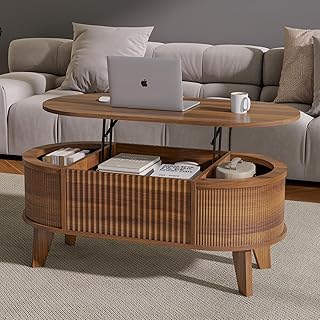
At 43 inches with a genuinely rounded profile, this is the shape I reach for first when a chaise crowds the walkway, and the hidden compartment under the top holds far more than the drawer tables it competes with. The lift reaches 22.4 inches and takes 88 pounds, so it doubles as a laptop desk without flexing in the middle.
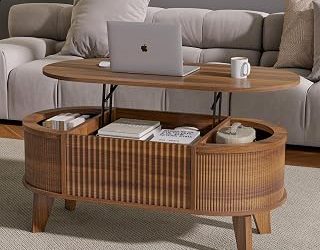
LYNCOHOME 43.3″ Fluted Oval Lift Top
Same helpful oval footprint, but the fluted walnut skirt gives it more visual weight, which balances out a large sectional instead of disappearing under it. Assembly is straightforward and the mechanism arrived pre-mounted on mine, leaving only legs and the storage box to fasten.
LYNCOHOME Fluted Lift Top Coffee Table (Walnut)
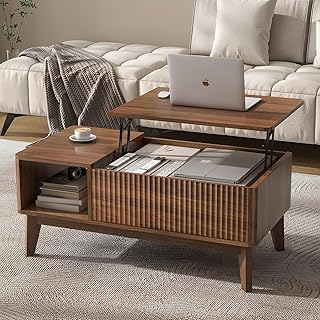
The rectangular sibling is the better call when your chaise sits against a wall and the open side of the sectional faces the room. Deep interior storage plus a flat working height makes it the most practical option here for a living room that also serves as a home office.
IFGET 48″ 2-Tier Modern Coffee Table
A no-mechanism pick with a curved profile and a lower shelf, which is the easiest way to get storage without moving parts that can wear out. The thick natural oak top and gentle radius corners read expensive, and at 48 inches it suits full-size three-seat-plus-chaise configurations.
Mid Century Modern Triangle-Top Coffee Table (35.8″)
The small footprint and rounded triangular top are purpose-built for tight inside corners where a chaise steals the diagonal. Solid legs and a compact 16.2-inch height keep it from visually clogging an apartment-scale room.
Frequently Asked Questions
How much space should I leave between the sectional and the table?
Fourteen to eighteen inches is the sweet spot: close enough to set a mug down without leaning, wide enough to walk through. Measure from the seat cushion edge, not the frame, since cushions overhang.
Is a lift-top worth it with a chaise?
Yes, and more than with a standard sofa. You’ll spend more time semi-reclined on the chaise, so a top that rises to lap height turns a passive table into a usable work and dining surface.
Round or rectangular for a chaise sectional?
Round or oval if the table has to share a traffic lane; rectangular if the chaise is tucked against a wall and the room flows past the open end.
Can I stop a new table from rocking on a thick rug?
Stick-on felt pads under the high legs and a thin nylon shim under the low one solves nearly every case. Retighten the leg bolts after a week, once the joints have settled.
Final Thoughts
For most chaise sectionals, the JOINICE 43″ oval lift top is the best all-around buy: the right shape, real storage, and a mechanism that holds up. Choose the LYNCOHOME 43.3″ fluted oval if you want the same practicality with more presence, or the IFGET 48″ two-tier if you’d rather have a sturdy fixed top and open shelf with nothing mechanical to maintain.