Key takeaways
- Double rub count: Anything under 15,000 double rubs belongs on a headboard, not a dining seat. Aim for 25,000+ if the chairs get daily use; manufacturers don’t always publish the number, so treat thickness and weave density as your proxy.
- Weight and thickness: Look for material in the 1mm to 1.5mm range. Thin cotton stretches over foam and telegraphs every crease; overly stiff canvas fights you on the corner pleats and refuses to lie flat under the seat frame.
- Weave tightness: Hold a swatch to a window. If light passes through freely, crumbs and liquid will too. Tight plain weaves shed spills long enough for you to grab a towel.
- Yardage math: Budget three-quarters of a yard per standard drop-in seat, a full yard if the chair has a padded back panel. Buy 20% extra for pattern matching and the cut you’ll inevitably botch.
- Cleanability: Solid mid-tones in grey, flax, or navy hide wear far better than pale cream or dark black, which shows lint. Test a scrap with water before committing the whole set.
What's inside
Recovering a set of dining chairs looks like a beginner project right up until the first spaghetti dinner. The seat you cut and stapled on a Saturday afternoon takes more abuse than almost any other surface in the house: body weight grinding into the same four inches of foam, chair backs scraping the table edge, kids’ heels kicking the front rail, and the inevitable red wine that lands squarely in the middle. Pick a fabric based on color alone and you’ll be pulling staples again in eighteen months.
This guide comes from the staple-gun side of the equation. Below you’ll find yardage that actually holds up under a pneumatic stapler without fraying to nothing at the cut edge, along with two ready-made chair sets for anyone who’d rather skip the project entirely. I’ve flagged where each option earns its keep — thickness, weave tightness, how it behaves around a corner fold — and where it falls short.
As an Amazon Associate we earn from qualifying purchases.



How to Choose a/an Fabric For Upholstered Dining Chairs (2026)
- Double rub count: Anything under 15,000 double rubs belongs on a headboard, not a dining seat. Aim for 25,000+ if the chairs get daily use; manufacturers don’t always publish the number, so treat thickness and weave density as your proxy.
- Weight and thickness: Look for material in the 1mm to 1.5mm range. Thin cotton stretches over foam and telegraphs every crease; overly stiff canvas fights you on the corner pleats and refuses to lie flat under the seat frame.
- Weave tightness: Hold a swatch to a window. If light passes through freely, crumbs and liquid will too. Tight plain weaves shed spills long enough for you to grab a towel.
- Yardage math: Budget three-quarters of a yard per standard drop-in seat, a full yard if the chair has a padded back panel. Buy 20% extra for pattern matching and the cut you’ll inevitably botch.
- Cleanability: Solid mid-tones in grey, flax, or navy hide wear far better than pale cream or dark black, which shows lint. Test a scrap with water before committing the whole set.
The Best Fabric For Upholstered Dining Chairs (2026)s Reviewed
TinaKim Thick Chair Upholstery Fabric
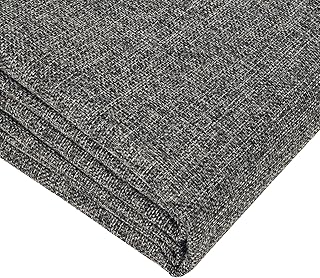
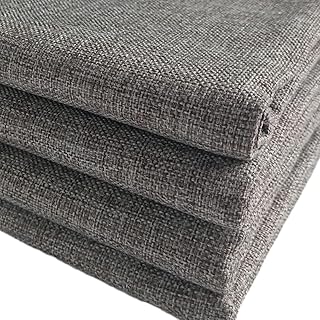
This is the one I reach for first: genuinely thick faux linen with enough body to pull taut over foam without puckering at the corners. The two-yard cut covers four standard drop-in seats with margin for error, and the flaxen tone is forgiving of both crumbs and sunlight.
LaSilk Premium Upholstery Fabric by the Yard
Sold by the single yard, which makes it ideal for recovering one problem chair or testing a color before committing to a full set. The navy is deep and even, and the thickened backing means your staples bite without tearing through.
Heavy Linen Fabric 80×57, 1.2mm
Real linen at a stated 1.2mm thickness, with the natural slub texture that faux versions only approximate. It frays more than synthetic blends, so serge or fold every raw edge — worth the extra step for the way it breathes in a warm dining room.
Faux Linen Needlework Fabric 3.3 Yards
The best value per square foot here, and 3.3 yards handles a six-chair set with fabric left over for matching seat cushions. The grey-blue reads more grey under warm bulbs, so check it in your own light before cutting.
COLAMY Wooden Dining Chairs Set of 6
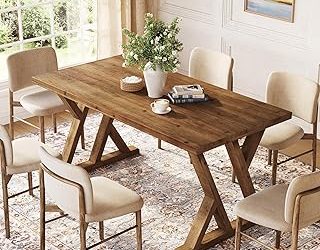
If the project is really about the chairs and not the sewing, these arrive upholstered in a serviceable beige on solid wood frames with foot pegs. Assembly is straightforward, and the seat foam is dense enough that you won’t be re-padding within the year.
Frequently Asked Questions
How much fabric do I need per chair?
For a plain drop-in seat, measure the seat width and depth, then add twice the seat thickness plus four inches on every side for wrapping and stapling. Most standard dining seats land around 22 by 22 inches of finished fabric.
Is real linen or faux linen better for dining chairs?
Faux linen usually wins on durability and stain resistance because the synthetic fibers resist abrasion and don’t absorb liquid as readily. Real linen feels better and looks more refined, but expect it to soften and wrinkle over time.
Do I need to remove the old fabric first?
Not always. If the existing cover is flat and the foam is intact, you can staple directly over it, which adds a bit of padding. Strip it if the old fabric is lumpy, damp, or hiding a broken frame.
Can I machine wash upholstery fabric before use?
Pre-washing prevents surprise shrinkage but strips any factory stain treatment. I’d skip it and instead apply a fabric protector spray after the seats are installed.
Final Thoughts
For most DIY seat recoveries, the TinaKim Thick Chair Upholstery Fabric gives you the best balance of body, workability, and coverage — it’s forgiving of a first-timer’s corner folds. Step up to the Heavy Linen 80×57 if you want authentic texture and don’t mind finishing the edges, or grab the 3.3-yard Faux Linen if you’re tackling six chairs on a budget. And if the staple gun holds no appeal, the COLAMY Set of 6 gets you to dinner faster.