Key takeaways
- Measure the mattress, not the frame: Lay the futon flat and record width across the top surface plus thickness. Most stretch covers list a stretched range, and thick 8-inch mattresses eat far more fabric than a 5-inch dorm pad. Buying by “full” or “queen” alone is how people end up with a cover that will not close.
- Spandex percentage drives the fit: Higher spandex content means more recovery, so the fabric snaps back after someone flops onto it instead of bagging out at the seat. Low-stretch polyester looks fine on day one and sags by week three.
- Check the bottom closure: Elastic hems and drawstrings hold better than plain hemmed edges. If the cover includes foam anti-slip strips, keep them; tucking those into the seam gap is what separates a taut install from a wrinkled one.
- Match the surface to the household: Textured jacquard hides crumbs, pet hair, and minor pilling. Smooth faux leather wipes clean in seconds but shows every scratch. Waterproof backing is the right call for toddlers, seniors, or animals that sleep where they should not.
- Confirm laundering before you commit: Cold wash and low tumble dry is standard, but heat kills elastane. A cover you can strip and wash weekly beats a premium fabric that needs dry cleaning and therefore never gets cleaned.
What's inside
Anyone who has wrestled a futon mattress into a cover knows the frustration: you buy a “universal” cover, spend twenty minutes shoving foam into a fabric envelope, and end up with a lumpy slab that shifts every time someone sits down. Futons are an awkward category. They flex, fold, and change dimensions depending on whether they are a couch or a bed, and most furniture covers are built for rigid frames with armrests. Add the fact that futons often live in guest rooms, dorms, basements, and playrooms, where they take a beating from kids, pets, and spilled drinks, and the odds of finding something that actually fits and lasts drop fast.
The good news for hands-on buyers is that the stretch armless slipcover has quietly solved most of this. Instead of a zippered sack sized to exact inches, you get a high-spandex knit that grips the mattress and tucks under with elastic. Fitting one takes about three minutes and no tools. This guide walks through the covers worth your money in 2026, what to check before you order, and how to get a taut, professional-looking fit on the first try instead of the fifth.
As an Amazon Associate we earn from qualifying purchases.


🛒 Best Price Today on Amazon
Prime members get fast, free shipping on everything above, plus member-only deals. New members get a 30-day free trial — cancel anytime.
How to Choose a/an Futon Cover (2026)
- Measure the mattress, not the frame: Lay the futon flat and record width across the top surface plus thickness. Most stretch covers list a stretched range, and thick 8-inch mattresses eat far more fabric than a 5-inch dorm pad. Buying by “full” or “queen” alone is how people end up with a cover that will not close.
- Spandex percentage drives the fit: Higher spandex content means more recovery, so the fabric snaps back after someone flops onto it instead of bagging out at the seat. Low-stretch polyester looks fine on day one and sags by week three.
- Check the bottom closure: Elastic hems and drawstrings hold better than plain hemmed edges. If the cover includes foam anti-slip strips, keep them; tucking those into the seam gap is what separates a taut install from a wrinkled one.
- Match the surface to the household: Textured jacquard hides crumbs, pet hair, and minor pilling. Smooth faux leather wipes clean in seconds but shows every scratch. Waterproof backing is the right call for toddlers, seniors, or animals that sleep where they should not.
- Confirm laundering before you commit: Cold wash and low tumble dry is standard, but heat kills elastane. A cover you can strip and wash weekly beats a premium fabric that needs dry cleaning and therefore never gets cleaned.
The Best Futon Cover (2026)s Reviewed
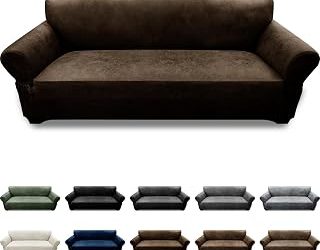
Easy-Going Stretch Large Armless Futon Slipcover (Dark Gray)
The large sizing here is genuinely generous, which makes it the safest pick if your futon runs thick or you are between listed sizes. The jacquard weave has enough body to smooth over a lumpy mattress, and the elastic bottom holds tension well through repeated fold-downs.
H.VERSAILTEX Armless Futon Cover, Small Checks Jacquard
The tight check pattern is the standout: it adds visual structure that camouflages the seams and dips a plain fabric would highlight. Spandex content is high enough that it recovers cleanly after guests sleep on it, and it washes without losing shape.
MAXIJIN Jacquard Stretch Futon Cover (Light Gray)
Noticeably thicker than most competitors, which pays off if your futon mattress has gone thin and you want the cover doing some of the cushioning work. The tradeoff is that it takes more effort to stretch into place, so budget an extra couple of minutes on install.
molasofa Leather-Like Stretch Futon Slipcover (Black, Larger)
A smart choice for basement lounges, media rooms, and anywhere sticky hands are a factor, since spills wipe off with a damp cloth. It stretches better than most faux leather covers, though the surface is warmer to sit on than a knit fabric.
Stretch Armless Futon Cover, Full/Queen (Biscotti Beige)
A solid neutral for anyone tired of gray, with a full/queen range that suits standard convertible futons. Fit is snug and predictable, and the lighter tone brightens small guest rooms without reading as fussy.
Frequently Asked Questions
Will a stretch cover slip when the futon folds flat?
Some movement is normal, but you can eliminate most of it by tucking excess fabric deep into the crease and pushing the included foam strips or a rolled towel into the gap. Recheck the tuck after converting the futon a few times.
How do I get rid of wrinkles after installation?
Pull from the center outward, not the corners, then let the cover sit for a day. Body heat and tension usually settle the knit. A light steam on the lowest setting works if you are impatient.
Do these covers fit futons with armrests?
No. Armless covers are cut as a continuous tube and will not accommodate arms. If your frame has them, you need a sectioned cover or separate arm covers.
Is waterproofing worth the tradeoff?
If children, pets, or medical needs are in play, yes. The membrane adds a slight crinkle and reduces breathability, but it protects the mattress itself, which is far more expensive to replace.
Final Thoughts
For most households, the Easy-Going Stretch Large Slipcover is the pick with the widest margin for error, especially on thick mattresses. Choose the H.VERSAILTEX small-check jacquard if you want the cleanest-looking fit on a standard futon, and go with the Easy-Going 100% Waterproof cover when kids or pets mean protection matters more than texture.