Key takeaways
- Janka hardness: Acacia (roughly 1,700) and hard maple resist dents far better than walnut or pine. If you’ve got kids or you prep food at the table, aim above 1,200 and accept that softer woods will develop character marks.
- Kiln-dried or nothing: Air-dried lumber at 12–15% moisture content will shrink once it hits your climate-controlled home. Kiln-dried stock sits around 6–8% and stays put. This single spec prevents most warping complaints.
- Thickness versus span: A 0.7-inch top works fine on a desk frame with center support, but a 72-inch dining span needs 1.25 inches minimum, or an apron underneath, to avoid sagging under a loaded holiday spread.
- Finish chemistry: Water-based polyurethane and hardwax oils skip the off-gassing you get from older solvent finishes. Unfinished tops let you choose, but budget a weekend for three coats plus cure time.
- Seat math, honestly: Allot 24 inches of edge per person. A 63-inch rectangle seats six only if two sit at the ends and nobody minds elbows; 72 to 79 inches is the real six-to-eight range.
What's inside
Walk into any furniture showroom and you’ll hear “solid wood” thrown around like it settles the question. It doesn’t. Janka hardness ratings swing from around 900 for walnut to over 1,700 for hard maple, and that number decides whether your table shrugs off a dropped cast-iron skillet or wears a dent from a toddler’s fork. Add in how differently each species handles seasonal humidity swings, and the wrong pick can mean visible gaps at the breadboard ends by February.
I’ve built, refinished, and lived with tables in acacia, birch, bamboo, and pecan-stained hardwood, and the differences show up fast once you actually eat off them. This guide breaks down the species worth your money in 2026, whether you’re buying a finished table or a raw slab to build around, plus the practical details — thickness, finish chemistry, kiln-drying — that manufacturers bury in the fine print.
As an Amazon Associate we earn from qualifying purchases.




How to Choose a Hardwood For Dining Table (2026)
- Janka hardness: Acacia (roughly 1,700) and hard maple resist dents far better than walnut or pine. If you’ve got kids or you prep food at the table, aim above 1,200 and accept that softer woods will develop character marks.
- Kiln-dried or nothing: Air-dried lumber at 12–15% moisture content will shrink once it hits your climate-controlled home. Kiln-dried stock sits around 6–8% and stays put. This single spec prevents most warping complaints.
- Thickness versus span: A 0.7-inch top works fine on a desk frame with center support, but a 72-inch dining span needs 1.25 inches minimum, or an apron underneath, to avoid sagging under a loaded holiday spread.
- Finish chemistry: Water-based polyurethane and hardwax oils skip the off-gassing you get from older solvent finishes. Unfinished tops let you choose, but budget a weekend for three coats plus cure time.
- Seat math, honestly: Allot 24 inches of edge per person. A 63-inch rectangle seats six only if two sit at the ends and nobody minds elbows; 72 to 79 inches is the real six-to-eight range.
The Best Hardwood For Dining Table (2026)s Reviewed
Pemberly Row Solid Acacia Dining Table
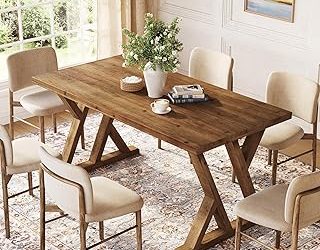
Acacia earns its reputation here — kiln-dried, dense enough to laugh off everyday abuse, and the natural finish shows off that wild interlocking grain acacia is known for. At 79 by 40 inches on crossed legs, it genuinely seats six with room to breathe, and the angular base means no apron fighting your knees.
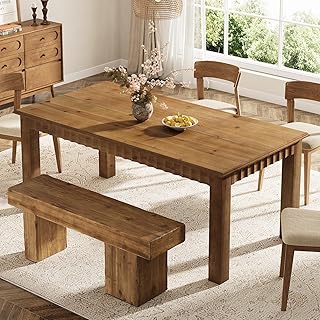
Plank+Beam Classic 72-Inch Dining Table
The pecan wirebrush treatment is the smart detail: brushing raises the grain so minor scratches disappear into the texture rather than announcing themselves. Non-toxic finishes and straightforward assembly make this the pick if you want farmhouse proportions without a two-hour hardware wrestle.
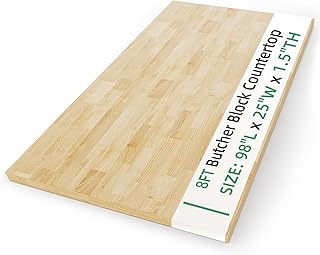
Butcher Block Countertop Birch Plank
At 98 by 25 by 1.5 inches unfinished, this is raw material for makers — I’d use it for a narrow galley-style dining bar or an island top. Birch takes stain unevenly without a pre-conditioner, so plan on that step, then finish with a food-safe hardwax oil for a surface you can spot-repair forever.
BAKEVE Bamboo Dining Table for 4–6
Bamboo is technically a grass, but laminated strand bamboo tests harder than red oak and handles humidity better than most hardwoods, which makes it a smart choice for kitchens and coastal homes. The 47.2-inch walnut-toned top suits four comfortably, and FSC certification means the sourcing checks out.
Howizz 55 x 28 Solid Acacia Table Top
A dark walnut-stained acacia slab at 0.7 inches thick — thin for a standalone dining table, ideal for dropping onto a standing desk frame or a hairpin-leg build with center support. The pre-finished surface saves you the messiest part of any DIY table project.
Frequently Asked Questions
Which hardwood is genuinely the most durable for a dining table?
Hard maple and acacia lead on dent resistance, both landing well above 1,400 on the Janka scale. White oak trails slightly but wins on moisture stability, which matters more if your dining room sees big seasonal humidity shifts.
Is bamboo a legitimate alternative to hardwood?
Yes, when it’s strand-woven or laminated. Quality bamboo panels outperform oak on hardness and resist cupping from spills better than solid wood, though the linear grain reads more contemporary than traditional.
Can I finish an unfinished tabletop myself?
Absolutely, and you’ll get a better result than most factory finishes. Sand to 180 grit, apply a wood conditioner on birch or maple, then three thin coats of water-based poly or two of hardwax oil, sanding lightly between coats.
How thick should a dining tabletop be?
For unsupported spans over 60 inches, 1.25 to 1.5 inches is the safe floor. Thinner tops work only with an apron, breadboard ends, or a frame that carries load at the center.
Final Thoughts
For most households the Pemberly Row acacia table is the strongest all-round buy — hard, stable, and sized for real six-person dinners. The Plank+Beam 72-inch delivers the same capability with a warmer, brushed farmhouse character and cleaner finish chemistry, while the Butcher Block birch plank is the one I’d hand to anyone who’d rather build their own and finish it exactly how they want.