Key takeaways
- Drain or drainless: Gravity-drain models need a downhill run to a trap, which usually means cutting the cabinet floor or adding a small condensate pump. Drainless units recycle meltwater back into the reservoir, so a plain water supply and an outlet is the whole install.
- Real clearance, not stated width: A 15″ cabinet opening leaves almost nothing on the sides. Front-breathing units can sit flush; anything venting out the back or sides wants two to three inches, and starving that gap slashes output and shortens compressor life.
- Ice shape you’ll actually use: Crescent cubes pack well in a glass and melt slowly. Nugget ice chews, absorbs flavor, and disappears fast, so figure roughly twice the volume per drink if that’s your household’s habit.
- Water access: Most of these take a 1/4″ line. A saddle valve on a nearby cold supply works, but a proper tee with a shutoff is the version you won’t regret in five years. Add an inline filter if your water is hard.
- Rated vs. realistic output: The 100 lbs/day figures assume cool inlet water and cool ambient air. In a 78°F room with 70°F supply, expect 60 to 75 percent of that. Storage bin size matters more than peak production for most homes.
What's inside
Cutting a 15-inch cavity into an existing cabinet run is the easy part. The part that trips people up comes after: figuring out whether the machine needs a gravity drain, whether the closest water line can be tapped without opening a wall, and whether the compressor’s heat will cook itself inside a sealed box. I’ve installed enough of these in kitchen islands and basement bars to know the spec sheet matters less than the three inches of clearance behind it.
This guide walks through six undercounter ice makers I’d actually recommend, sorted by what they’re built for rather than by brand. You’ll find production numbers that hold up in a warm room, notes on which units skip the floor drain entirely, and the plumbing and airflow details that decide whether your install goes smoothly or turns into a weekend of drywall patching.
As an Amazon Associate we earn from qualifying purchases.


🛒 Best Price Today on Amazon
Prime members get fast, free shipping on everything above, plus member-only deals. New members get a 30-day free trial — cancel anytime.
How to Choose a/an Ice Maker Undercounter (2026)
- Drain or drainless: Gravity-drain models need a downhill run to a trap, which usually means cutting the cabinet floor or adding a small condensate pump. Drainless units recycle meltwater back into the reservoir, so a plain water supply and an outlet is the whole install.
- Real clearance, not stated width: A 15″ cabinet opening leaves almost nothing on the sides. Front-breathing units can sit flush; anything venting out the back or sides wants two to three inches, and starving that gap slashes output and shortens compressor life.
- Ice shape you’ll actually use: Crescent cubes pack well in a glass and melt slowly. Nugget ice chews, absorbs flavor, and disappears fast, so figure roughly twice the volume per drink if that’s your household’s habit.
- Water access: Most of these take a 1/4″ line. A saddle valve on a nearby cold supply works, but a proper tee with a shutoff is the version you won’t regret in five years. Add an inline filter if your water is hard.
- Rated vs. realistic output: The 100 lbs/day figures assume cool inlet water and cool ambient air. In a 78°F room with 70°F supply, expect 60 to 75 percent of that. Storage bin size matters more than peak production for most homes.
The Best Ice Maker Undercounter (2026)s Reviewed
Mojgar 100 lbs/Day Under Counter Ice Maker
Thirty pounds of bin storage behind a 15-inch face is the best capacity-per-inch ratio here, and the self-clean cycle means you’re not disassembling the water path every month. It’s the pick if you entertain in bursts and want the bin full before guests arrive rather than trickling ice all evening.
Electactic Nugget Ice Machine
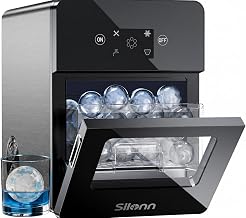
Nugget ice from a built-in unit at this size is still uncommon, and the 24-hour timer lets you schedule production for off-hours so the compressor isn’t cycling during dinner. The 66 lbs/day rating is honest for nugget, which takes more energy per pound than cubes.
COTLIN 15″ Drainless Under Counter Ice Maker
No drain required is the headline, and it’s the right answer for island installs or finished basements where running a gravity line means opening the floor. The 22-pound bin is modest, but for a retrofit that skips the plumber entirely, that tradeoff is easy to accept.
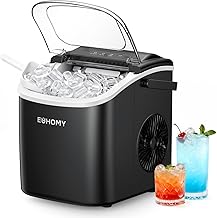
EUHOMY 100 lbs/24H Under Counter Ice Machine
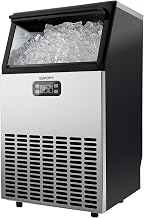
A 33-pound bin, all-stainless cabinet, and a straightforward control layout make this the workhorse of the group. It runs loud enough that I’d avoid installing it under a countertop adjacent to a seating area, but in a bar run or garage kitchen it’s hard to beat on output per dollar.
Whynter UIM-155 Built-In Ice Maker
Twelve pounds a day and six pounds of storage sounds small until you realize this is genuinely residential-quiet with one-button operation and no drain line. For a couple who wants good crescent ice on hand without a machine that sounds like a mini fridge in a wind tunnel, it fits.
Frequently Asked Questions
Can I build one of these into a fully enclosed cabinet?
Only if it’s front-venting and the manufacturer explicitly allows a zero-clearance install. Otherwise cut a rear or toe-kick vent. Trapped heat is the single most common cause of premature failure in these units.
Do drainless models ever need emptying?
Yes. Meltwater recycles, but mineral concentration builds up in the reservoir over time. Drain and rinse it every few weeks, more often on hard water, or you’ll taste it in the ice.
Is a dedicated circuit necessary?
Not usually for these wattages, but don’t share a 15-amp branch with a microwave or toaster. Compressor startup surge on a loaded circuit will trip the breaker sooner or later.
How long does an install actually take?
A drainless unit into an existing 15-inch opening with a nearby water line: two to three hours. Add a gravity drain and you’re looking at most of a day, plus a trip for fittings.
Final Thoughts
For most homes, the Mojgar 100 lbs/day unit hits the best balance of bin capacity and self-maintenance in a standard 15-inch cavity. If your install has no drain path, the COTLIN drainless model solves that problem cleanly, and the Whynter UIM-155 is the quiet, low-fuss choice when daily volume is modest and the machine sits near where people sit.