Key takeaways
- Mechanism access: Pull-tab systems are the simplest to diagnose and repair — a stretched cable or a loose cotter pin is a ten-minute fix with a socket set. Lever handles feel sturdier but hide more linkage behind the arm panel, which means more disassembly if something binds.
- Frame construction: Reach underneath and knock on the rails. Solid wood answers with a dull thud; engineered board rings hollow. Look for corner blocks and metal reinforcement plates at the seat deck, since that’s where torsional stress concentrates every time someone drops into the seat.
- Clearance math: Measure your recline path before ordering, not after. Standard three-seaters need 30 to 38 inches behind the backrest at full extension. Wall-hugger designs like the Ashley Frohn compress that to roughly three inches, which is the difference between a workable room and a floating sofa.
- Upholstery serviceability: Genuine leather takes conditioner and hides scuffs; faux leather wipes clean but eventually delaminates at the seat crease. Chenille and polyester weaves resist cracking entirely but hold pet hair and need a fabric guard applied before first use.
- Modular assembly: Snap-on back panels and bolt-together seat sections are a genuine advantage. They let you carry a 300-pound sofa through a 30-inch doorway in pieces, and they let you replace one damaged section instead of the whole unit.
What's inside
Anyone who has ever flipped a reclining sofa on its back to inspect the underside knows the truth: the mechanism is the product, and the upholstery is just the wrapper. Manual recliners live or die on the quality of their steel linkage, the density of the seat foam, and whether the frame rails are actual kiln-dried hardwood or a sandwich of particleboard held together by optimism. The trouble is that listings rarely tell you which one you’re getting, so buyers end up choosing based on color swatches and hoping the pull tab still works in year three.
This guide takes the tinkerer’s approach. I’ve looked at these six manual reclining sofas through the lens of assembly complexity, serviceability, and how the load actually travels through the frame when three adults recline at once. Below you’ll find the shortlist, followed by a buying checklist built around what you can actually inspect on delivery day, honest notes on each model, and answers to the questions that come up once the boxes are open and the packing straps are cut.
As an Amazon Associate we earn from qualifying purchases.


🛒 Best Price Today on Amazon
Prime members get fast, free shipping on everything above, plus member-only deals. New members get a 30-day free trial — cancel anytime.
How to Choose a Manual Reclining Sofa (2026)
- Mechanism access: Pull-tab systems are the simplest to diagnose and repair — a stretched cable or a loose cotter pin is a ten-minute fix with a socket set. Lever handles feel sturdier but hide more linkage behind the arm panel, which means more disassembly if something binds.
- Frame construction: Reach underneath and knock on the rails. Solid wood answers with a dull thud; engineered board rings hollow. Look for corner blocks and metal reinforcement plates at the seat deck, since that’s where torsional stress concentrates every time someone drops into the seat.
- Clearance math: Measure your recline path before ordering, not after. Standard three-seaters need 30 to 38 inches behind the backrest at full extension. Wall-hugger designs like the Ashley Frohn compress that to roughly three inches, which is the difference between a workable room and a floating sofa.
- Upholstery serviceability: Genuine leather takes conditioner and hides scuffs; faux leather wipes clean but eventually delaminates at the seat crease. Chenille and polyester weaves resist cracking entirely but hold pet hair and need a fabric guard applied before first use.
- Modular assembly: Snap-on back panels and bolt-together seat sections are a genuine advantage. They let you carry a 300-pound sofa through a 30-inch doorway in pieces, and they let you replace one damaged section instead of the whole unit.
The Best Manual Reclining Sofa (2026)s Reviewed
ANJ Premium Genuine Leather Reclining Sofa (Blue)
This is the one I’d bolt together for a household that actually uses the recline daily — the padded backrest is stitched over real foam rather than fiber batting, and the heavy-duty rating reflects a beefier steel mechanism than you’ll find at half the price. The blue top-grain leather is unusual enough to anchor a room, and it responds well to conditioning twice a year.
Signature Design by Ashley Frohn Reclining Sofa (Gray Chenille)
The three-inch wall-hugger profile is the standout engineering choice here, and the snap-on back assembly means one person can stage it in a tight upstairs living room without a helper. The three-position pull-tab recline is mechanically simple, which is exactly what you want in a part that cycles thousands of times.
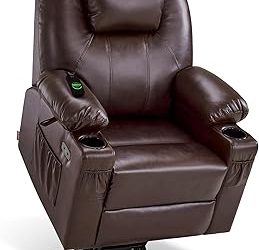
Genuine Leather Reclining Sofa, Overstuffed Armrest (Dark Brown)
Overstuffed arms do double duty on this one — they’re comfortable, but they also conceal a wider arm cavity that gives the linkage room to travel without rubbing the side panel. The dark brown leather is forgiving of everyday marks, making it a sensible pick for high-traffic rooms.
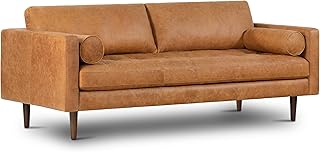
Faux Leather Mid-Century Modern Reclining Sofa (Brown)
A smart compromise if you want the reclining function without the leather price tag: the tapered mid-century legs keep the visual weight down, and the faux upholstery wipes clean with a damp cloth. Keep it out of direct sun to slow surface cracking at the seat fold.
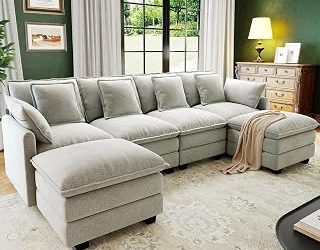
Recliner Sofa Set, Overstuffed Armrest (Light Brown)
The light brown finish brightens smaller rooms where a dark sofa would swallow the space, and the sectional-style packaging makes it the easiest of this group to route through awkward stairwells. Budget an extra half hour for assembly and check every bolt for torque before first use.
Frequently Asked Questions
How much wall clearance does a manual recliner need?
Most standard three-seaters need 30 to 38 inches behind the backrest for full extension. Wall-hugger designs cut that dramatically — the Ashley Frohn works with about three inches — so measure your intended wall before committing.
Are manual recliners more reliable than power models?
Generally yes, because there’s no motor, transformer, or control board to fail. When a manual mechanism does misbehave, it’s usually a stretched cable or a loose pin, both of which are inexpensive and repairable with basic tools.
How difficult is assembly?
Plan on 45 to 90 minutes for a three-seater. Sections typically bolt together at the seat deck, and models with snap-on backs go faster. Work on a soft blanket to protect the upholstery and keep the hardware bag organized.
Genuine leather or faux leather?
Genuine leather lasts longer, develops character, and can be reconditioned, but costs more and needs periodic care. Faux leather is easier to clean and cheaper upfront, though the seat crease will eventually show wear. Chenille sidesteps cracking altogether.
Final Thoughts
If you want the sturdiest mechanism and upholstery worth maintaining, the ANJ Premium Genuine Leather sofa earns the spot. For tight rooms and solo assembly, the Ashley Frohn’s wall-hugger profile and snap-on back are hard to beat. And if you’d rather spend less without giving up the recline, the Faux Leather Mid-Century Modern model is the practical middle path.