Key takeaways
- Substrate check: Flick water on the piece. If it beads aggressively and the plastic feels waxy, you’re likely dealing with polyethylene or polypropylene — the hardest plastics to coat. Those need a plastic-specific bonding primer or a restorer rather than standard enamel.
- Flex tolerance: Patio chairs deform every time someone sits down. A brittle, high-build epoxy will spiderweb along stress points, so save rigid coatings for stationary pieces and use flexible acrylics on seats and backs.
- Prep demands: “No sanding” claims usually assume a sound, slightly porous surface. On oxidized plastic, you still need to scrub off the chalk layer with a degreaser and abrasive pad or nothing will grab.
- UV and mildew defense: Interior-grade paint chalks within a season outdoors. Look for exterior-rated resins with UV inhibitors, and expect matte finishes to hold color longer than deep glossy tints in direct sun.
- Coverage math: Molded chairs have far more surface area than they appear to — all those ribs, contours, and undersides. Budget roughly a quart per four to six chairs for two coats, and buy a spare container so you can touch up later with the same batch.
What's inside
Chalky white bloom on a resin Adirondack chair, a faded green stack of monobloc seats, a picnic table that’s gone from deep hunter to washed-out sage — plastic patio furniture doesn’t rot or rust, it just surrenders its color. The frustrating part is that most paint slides right off polypropylene and HDPE. I’ve peeled failed coatings off a chair arm in one satisfying, infuriating sheet, and the culprit is almost always the same: the wrong chemistry, or a surface that was never truly clean.
This guide sorts out what actually sticks to flexible outdoor plastic and what belongs on wood or metal instead. I’ve grouped restorers, purpose-built furniture enamels, all-in-one acrylics, and touch-up options so you can match the product to the job — whether you’re reviving twelve faded chairs before a cookout or hiding a single scuff on a planter box.
As an Amazon Associate we earn from qualifying purchases.



🛒 Best Price Today on Amazon
Prime members get fast, free shipping on everything above, plus member-only deals. New members get a 30-day free trial — cancel anytime.
How to Choose a Paint For Plastic Patio Furniture (2026)
- Substrate check: Flick water on the piece. If it beads aggressively and the plastic feels waxy, you’re likely dealing with polyethylene or polypropylene — the hardest plastics to coat. Those need a plastic-specific bonding primer or a restorer rather than standard enamel.
- Flex tolerance: Patio chairs deform every time someone sits down. A brittle, high-build epoxy will spiderweb along stress points, so save rigid coatings for stationary pieces and use flexible acrylics on seats and backs.
- Prep demands: “No sanding” claims usually assume a sound, slightly porous surface. On oxidized plastic, you still need to scrub off the chalk layer with a degreaser and abrasive pad or nothing will grab.
- UV and mildew defense: Interior-grade paint chalks within a season outdoors. Look for exterior-rated resins with UV inhibitors, and expect matte finishes to hold color longer than deep glossy tints in direct sun.
- Coverage math: Molded chairs have far more surface area than they appear to — all those ribs, contours, and undersides. Budget roughly a quart per four to six chairs for two coats, and buy a spare container so you can touch up later with the same batch.
The Best Paint For Plastic Patio Furniture (2026)s Reviewed
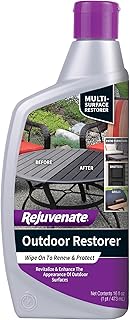
Rejuvenate Outdoor Restorer
This isn’t paint at all, and that’s exactly why it belongs at the top of the list — it’s a clear polymer treatment that penetrates oxidized plastic and pulls the original color back to the surface, no masking or curing schedule required. If your furniture is faded rather than damaged or a color you dislike, wipe this on first before committing to a full repaint; at up to 800 square feet per bottle, it’s the cheapest fix per chair by a wide margin.
Wolman 360351 Outdoor Furniture Paint (Quart, Granite)
Formulated specifically for outdoor furniture, this quart handles the flex and thermal cycling that destroys general-purpose enamels, and the granite shade does a genuinely good job of camouflaging the surface texture typical of molded resin. Thin your first coat slightly and brush it into the contours — it self-levels better than expected and leaves minimal brush drag.
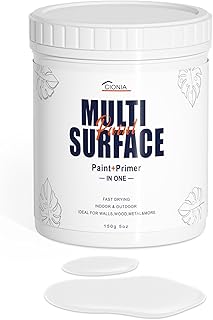
CIONIA All-in-One Multi Surface Paint
The 5-ounce size makes this ideal for testing adhesion on an inconspicuous chair leg before you commit to a whole set, and the no-sanding formula bites into plastic reasonably well once the surface is degreased. Coverage is limited, so treat it as a sampler or accent paint for trim details rather than your primary coating.
DWIL Wood Paint (White, Exterior)
Water-based, low-odor, and fast-drying, this earns a spot for mixed-material patio sets where plastic slats meet wooden or composite frames and you need one consistent white across both. It’s optimized for wood, so pair it with a plastic bonding primer on the resin components rather than relying on direct adhesion.
White Touch Up Paint Pen (High-Gloss Acrylic)
Every outdoor season produces a few scrapes from dragging chairs across concrete, and this pen handles them in seconds without dragging out a brush and can. The high-gloss acrylic matches factory white plastic and appliance finishes closely, and the precision tip lets you fill a scratch line rather than smearing paint across the surrounding area.
Frequently Asked Questions
Do I really need to prime plastic patio furniture?
On polypropylene and polyethylene, yes — a plastic-specific bonding primer is what makes the difference between a finish that lasts three years and one that flakes by August. Rigid PVC and painted resin are more forgiving and can often take a direct topcoat after thorough cleaning.
How should I clean the furniture before painting?
Scrub with a degreasing cleaner and a white abrasive pad to remove the chalky oxidized layer, rinse completely, then wipe with denatured alcohol once it’s dry. Skip the pressure washer on thin plastic; it forces water into seams that take days to dry out.
Spray or brush?
Spray wins on molded curves and lattice patterns where a brush leaves ridges, but you’ll need several light passes and a windless day. Brushing gives you better film thickness on flat surfaces like tabletops.
How long before I can sit on it?
Dry to the touch means nothing here. Most acrylics need five to seven days to fully cure and harden; sit on them early and you’ll transfer a fabric print into the finish permanently.
Final Thoughts
Start with the Rejuvenate Outdoor Restorer — if your furniture is simply faded, it may save you the repaint entirely. When you do need color, the Wolman Outdoor Furniture Paint is the most dependable purpose-built option for flexible resin, and the White Touch Up Paint Pen is worth keeping in the shed for the inevitable scuffs that follow.