Key takeaways
- The reciprocating saw is the tool you buy when something has to come apart: an old fence rail, a rusted pipe, a stubborn nail-embedded stud.
The reciprocating saw is the tool you buy when something has to come apart: an old fence rail, a rusted pipe, a stubborn nail-embedded stud, or a tree limb that is too thick for loppers. Unlike a circular saw, it is not about neat cuts. It is about reaching into awkward spots and cutting through whatever the blade can reach, which makes stroke rate, blade clamp, and weight more important than finish quality. A budget of under 150 dollars is enough for solid choices, as long as you choose the power source that matches your work.
The listings here split into corded models, bare cordless tools tied to a battery platform, and one kit with its own battery and charger. For a small demolition project or yard cleanup in 2026, any of them can work, but the cost of batteries changes the real price of the cordless options. Details are drawn only from the titles, and where a title is vague you are pointed back to the listing to confirm.
Quick Picks
Our top picks


As an Amazon Associate we earn from qualifying purchases at no extra cost to you.
| Product | Best for | Key spec from the title |
|---|---|---|
| SEESII cordless kit | Buyers who need batteries included | 2 x 4.0Ah batteries, 6 blades, brushless |
| DEWALT DCS380B | 20V MAX battery owners | 3,000 strokes per minute, tool only |
| BLACK+DECKER BDCR20C | Light home use | 20V MAX cordless kit |
| RYOBI PCL515B | ONE+ battery owners | 3,400 SPM, 1 inch stroke, tool only |
| DEWALT DWE305 | Sustained corded cutting | 12-amp, 2,900 RPM, 4-position clamp |
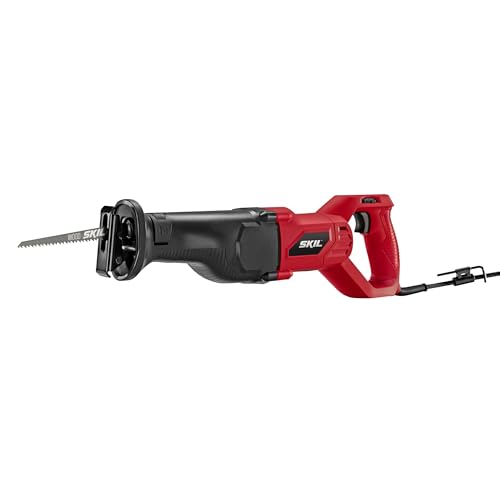
| Skil 9206-02 | Budget corded option | 7.5-amp, variable speed |
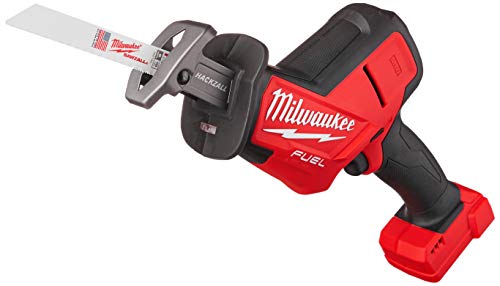
| Milwaukee Hackzall 2719-20 | One-handed, tight spaces | M18 FUEL, bare tool |
How to Choose
Stroke rate and stroke length
Strokes per minute, often 2,800 to 3,500 at this price, describe how fast the blade moves. A longer stroke, such as one inch, removes more material per pass and cuts faster in thick lumber. Variable-speed triggers matter because you want a slow start to keep the blade from skipping on metal and pipe. If a title lists only RPM instead of strokes per minute, treat the two as roughly comparable but confirm on the listing, since makers are not always consistent about the term.
Corded or cordless
Corded saws list amperage, and 7 to 12 amps is typical. They deliver steady power for long cuts without worrying about a battery. Cordless saws are easier to carry up a ladder or through a yard, but many are sold as bare tools, so factor in a battery and charger unless you already own the platform.
Blade clamp and orbital action
Tool-free blade changes save time and fingers. A four-position clamp lets you rotate the blade so you can cut flush against a surface. The shoe, the pivoting plate at the front, should be adjustable so you can control the depth and brace the saw against the work. Pressing the shoe firmly against the material cuts vibration noticeably and gives the blade a steadier bite, which is a technique worth learning on the first project.
Weight, balance and what to ignore
Vibration and weight matter more than peak speed when you hold the saw overhead. Ignore brushless claims alone; they help with efficiency and runtime but do not change how the blade performs. Budget saws most often cut corners on blade quality, so a good set of demolition blades is a smarter spend than a bigger motor.
The 7 Best Options
SEESII cordless kit
This kit lists two 4.0 Ah batteries, six saw blades, a brushless motor, variable speed to 3,500 RPM, an LED light, and tool-free blade change. It is the one pick here that comes ready to work without needing a platform. For a first-time owner doing yard cleanup and small demolition, the two batteries keep the job moving. Pruning a neighbor-damaged limb in the morning and cutting up a pallet in the afternoon is the sort of mixed workload where the included blades earn their keep.
- Two batteries and six blades are included.
- Brushless motor and LED light round out the feature list.
- Trade-off: a lesser-known brand, so confirm warranty and replacement battery options.
Skip it if you already own a major battery platform and would rather add a bare tool.
DEWALT DCS380B
A 20V MAX cordless reciprocating saw rated at 3,000 strokes per minute, with a variable speed trigger, sold as a tool only. It makes the most sense for someone who already owns 20V MAX batteries and wants a saw that matches. The variable trigger helps start cuts on metal pipe without the blade jumping. Plumbers and remodelers gravitate to this style of saw because it handles pipe, framing nails, and trim in a single afternoon, and the brand offers a wide selection of replacement blades.
- 3,000 strokes per minute is a solid figure for the tier.
- Fits into an existing 20V MAX battery lineup.
- Trade-off: no battery or charger, so the real cost is higher for newcomers.
Skip it if you do not own a compatible battery and charger.
BLACK+DECKER BDCR20C
A 20V MAX cordless reciprocating saw kit, listed as a kit, which suggests a battery and charger are part of the package. Confirm the contents on the listing. It is a gentle choice for a homeowner who needs to prune branches, trim a pipe, or cut a few boards now and then, and who values a simple setup over professional performance. A lighter, entry-level saw is also easier to control for someone new to the tool, which matters because reciprocating saws can kick when a blade catches.
- Kit format suggests a complete starter package.
- Suits occasional home and yard tasks.
- Trade-off: the title gives few performance numbers, so verify strokes per minute and runtime.
Skip it if you plan to cut through lots of thick material or work for hours at a time.
RYOBI PCL515B
An 18V ONE+ cordless saw listing 3,400 strokes per minute and a one-inch stroke length, sold without a battery. The long stroke and fast rate give it an edge for cutting lumber and branches. It suits those already invested in the ONE+ system, which is common among homeowners with several garage tools. Pair it with a coarse blade for green wood and a fine-toothed one for metal, and the saw can cover pruning, plumbing, and demolition without a second tool.
- Highest strokes per minute and a one-inch stroke are listed.
- Variable speed gives you control at the start of a cut.
- Trade-off: battery not included, so the full cost depends on your existing collection.
Skip it if you use a different battery brand and do not want a second platform.
DEWALT DWE305
This corded saw lists a 12-amp motor, 2,900 RPM, a four-position blade clamp, and a variable speed trigger. The motor is the strongest in the group, which suits sustained cutting such as remodeling, pipe work, or taking apart a deck. A cord means you never stop to swap a battery in the middle of a long cut. The four-position clamp is the feature to appreciate when you have to cut flush along a wall or floor, since you can flip the blade to keep the body clear of the surface.
- 12 amps is the highest listed motor rating here.
- Four-position clamp allows flush cutting against surfaces.
- Trade-off: tied to an outlet or extension cord, which limits mobility.
Skip it if you mostly work outdoors or high up, where a cord is a hassle.
Skil 9206-02
A corded 7.5-amp saw with variable speed, aimed at people who want basic power at a modest cost. It is an economical way to handle occasional demolition, branch trimming, and rough cuts, and it removes the need to buy batteries entirely. The title is short on features, so confirm blade change and shoe details. For a once-a-year chore, like cutting up an old shed or removing a rusted pipe stub, a plain corded saw usually does the job, and the money saved can go toward good blades.
- Corded convenience with no battery to buy.
- Variable speed offers some control.
- Trade-off: 7.5 amps is the lowest corded rating here, so thick material will cut slowly.
Skip it if you expect to cut large amounts of hardwood or heavy metal.
Milwaukee Hackzall 2719-20
The Hackzall is a compact, one-handed style saw, here listed as the M18 FUEL bare tool. Its small size makes it easy to use in tight spots, such as inside wall cavities, under sinks, or between joists. It fits owners already using the M18 system who want a compact companion to a larger saw. The one-handed format reduces fatigue overhead, but it also gives you less leverage, so it is better for light and medium cuts than for heavy teardown work.
- Compact form fits into cramped spaces.
- FUEL branding indicates a premium line within the M18 system.
- Trade-off: bare tool, so battery and charger are extra.
Skip it if you have no M18 batteries or prefer a full-size saw with two-handed control.
Which One Fits Your Situation
You are starting without any cordless tools
The SEESII kit includes batteries and blades, so it is the most complete starting point in this group. Its extra battery also means one pack can charge while the other cuts, which suits a long afternoon of yard work.
You already own batteries from a major brand
Match the saw to your platform: DEWALT DCS380B for 20V MAX, RYOBI PCL515B for ONE+, or Milwaukee Hackzall 2719-20 for M18.
You are doing a long remodel or deck teardown
The corded DEWALT DWE305 offers steady power through repeated cuts, and a long extension cord is cheaper than a spare battery pack.
You only need it a few times a year
The Skil 9206-02 or BLACK+DECKER BDCR20C keep costs modest for occasional use. Spend the savings on a pack of quality demolition blades and a pair of safety glasses, which improves results more than any upgrade to the saw itself.
Common Mistakes
- Buying a bare cordless saw without a battery and charger.
- Using a wood blade on metal, or the reverse, and blaming the saw for slow progress.
- Letting the blade bind in the cut instead of letting the shoe rest firmly against the work.
- Cutting into walls without checking for wiring and pipes behind the surface.
- Skipping eye protection and gloves when working with sharp blades and flying debris.
Related guides
- Battery Powered Floodlight Camera With Local Storage
- Cordless Drill Brush Attachment For Bathroom Grout
- Rechargeable Emergency Lantern For Power Outages
Frequently Asked Questions
What can a reciprocating saw cut?
With the right blade, it can cut wood, nails, pipe, plastic, and thin metal. Pick the blade for the material, because the wrong tooth pattern slows cutting and can damage the blade.
How many strokes per minute do I need?
Between 2,800 and 3,500 is typical. Higher is not always better; stroke length and blade choice also affect how fast the saw cuts.
Is brushless worth it?
Brushless motors generally offer more runtime and longer motor life. They matter most for heavy users and are less important for occasional tasks.
Do I need a corded saw for demolition?
No. A cordless saw works for most home demolition if you have a spare battery. Corded saws just remove the battery concern for long sessions. Whichever type you choose, clamp or brace the workpiece first, because a loose board will chatter and make even a strong saw feel unmanageable.
More from Amazon
Programs that pair well with the guide above. Offers and eligibility are set by Amazon and may change.
A free business account with business pricing and bulk-buying tools for work, shop or home office.
Create a business accountFree shipping on eligible items, Prime Video and more. Eligible new members can start with a free trial.
Start a Prime free trialAudiobooks and podcasts to listen to on the go. Eligible new members can start with a free trial.
Try Audible freeAd-free music streaming. Eligible new subscribers can start with a free trial.
Try Music Unlimited freeAs an Amazon Associate we earn from qualifying purchases.