Key takeaways
- Armrest height and support: Measure from the seat cushion to your elbow while seated upright, then look for arms within an inch of that number. Too low and your shoulders round forward; too high and your wrists cock upward. Adjustable or padded assist-style armrests solve this problem outright.
- Mechanism type: A 360° swivel rocker moves freely in any direction, which is handy in a corner nursery. A true glider runs on a fixed front-to-back track and feels smoother and more predictable in the dark. Power recliners with independent footrest and back motors let you stop at any angle without shifting the baby.
- Frame and joinery: Kiln-dried hardwood or a welded steel subframe will outlast particleboard every time. If the listing mentions FSC-certified wood or metal reinforcement at the seat rails, that’s a real signal. Check whether the base bolts on with accessible hex hardware, because swivel plates work loose eventually and you’ll want to snug them.
- Fabric practicality: Velvet hides pet hair poorly but resists pilling; corduroy and tight-weave polyester blends handle milk drips and repeated spot cleaning better. Removable, washable seat covers are worth paying for.
- Power and storage details: USB or USB-C ports built into the side panel mean one less cord snaking across the floor. Side pockets and under-arm storage hold burp cloths and a phone where you can reach them one-handed.
What's inside
Anyone who has spent a 3 a.m. feed perched on the edge of a bed knows the problem: your back locks up, your arms go dead holding a 12-pound baby at exactly the wrong angle, and the only chair in the house that reclines is downstairs in front of the TV. Nursing chairs get sold on softness, but softness is the least useful thing about them. What actually matters is geometry, hardware, and whether the mechanism will still glide silently after eight months of nightly use.
I build and repair furniture, so I look at these chairs the way I’d look at a shop project: what’s the frame made of, how is the swivel plate mounted, where will the fabric wear first, and can I get at the fasteners if something loosens? This guide covers the rocking and gliding recliners worth your money in 2026, what separates a well-engineered mechanism from a rattly one, and how to match seat depth and armrest height to your own body instead of guessing from a listing photo.
As an Amazon Associate we earn from qualifying purchases.


🛒 Best Price Today on Amazon
Prime members get fast, free shipping on everything above, plus member-only deals. New members get a 30-day free trial — cancel anytime.
How to Choose a Rocking Recliner For Nursing (2026)
- Armrest height and support: Measure from the seat cushion to your elbow while seated upright, then look for arms within an inch of that number. Too low and your shoulders round forward; too high and your wrists cock upward. Adjustable or padded assist-style armrests solve this problem outright.
- Mechanism type: A 360° swivel rocker moves freely in any direction, which is handy in a corner nursery. A true glider runs on a fixed front-to-back track and feels smoother and more predictable in the dark. Power recliners with independent footrest and back motors let you stop at any angle without shifting the baby.
- Frame and joinery: Kiln-dried hardwood or a welded steel subframe will outlast particleboard every time. If the listing mentions FSC-certified wood or metal reinforcement at the seat rails, that’s a real signal. Check whether the base bolts on with accessible hex hardware, because swivel plates work loose eventually and you’ll want to snug them.
- Fabric practicality: Velvet hides pet hair poorly but resists pilling; corduroy and tight-weave polyester blends handle milk drips and repeated spot cleaning better. Removable, washable seat covers are worth paying for.
- Power and storage details: USB or USB-C ports built into the side panel mean one less cord snaking across the floor. Side pockets and under-arm storage hold burp cloths and a phone where you can reach them one-handed.
The Best Rocking Recliners For Nursing (2026) Reviewed
MAMAZING Lullapod Power Nursery Rocking Chair
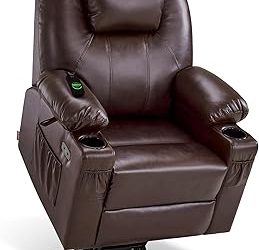
The triple-motor setup is the standout here: headrest, back, and footrest all move independently, so you can drop the legs without tipping backward and waking a sleeping baby. The HugAssist armrests sit at a genuinely useful height for cradle-hold feeding, and the 270° swivel glider is quiet enough that the motor hum is louder than the rocking itself.
Korser Rocker Recliner with Massage and Heating
A well-rounded pick that combines a full 360° swivel, lumbar heat, and vibration massage in an ivory package that doesn’t scream “nursery equipment.” The heat function earns its keep during recovery weeks, and the built-in storage plus USB charging keeps everything you need within arm’s reach.
LINSY 360 Swivel Recliner Nursery Glider
Best choice for tight rooms. The high back gives real head support without a deep footprint, and the corduroy upholstery is the most forgiving fabric in this lineup for cleanup. Manual recline keeps the price and the part count down, which means less to fail.
Electric Glider Recliner with Adjustable Armrests
The adjustable armrests are the reason to pick this one, especially if you’re shorter or taller than average and have struggled to get your elbows supported. FSC-certified wood in the frame, plus massage, heat, and an adjustable headrest, makes it the most configurable seat here.
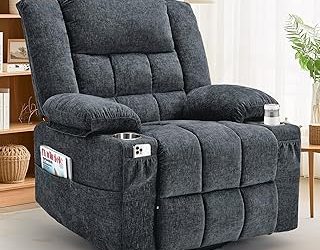
Adult 360° Rocking Recliner with Side Pocket
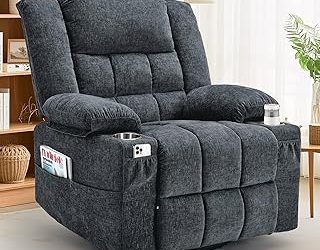
The value option. It’s a simple upholstered velvet armchair on a swivel-rocker base with a handy side pocket, and it reads as living room furniture once the nursing years are over. No motors, no ports, nothing to break.
Frequently Asked Questions
Is a glider or a rocker better for nursing?
Gliders move on a fixed track, so the motion is smoother and there’s no risk of rocking over a toe or a pet tail. Rockers and swivel rockers offer more freedom of movement and usually cost less. If the chair lives in a small nursery, glide; if it needs to turn toward a door or window, swivel.
Do I need a power recliner?
Not strictly, but manual recline levers require a pull that’s awkward with a baby in your arms. Power models let you adjust with one finger, which matters more than the spec sheet suggests.
How long will I actually use it?
Most people use a nursing chair heavily for 12 to 18 months, then keep it for story time and beyond. Choose a color and silhouette you’d accept in a living room and you’ll get years more out of it.
What maintenance do these need?
Check the base bolts every few months with a hex key and tighten anything that has backed off. A squeak in a glider is usually dry pivot bushings, and a shot of silicone lubricant fixes it. Keep power cords clear of the moving footrest.
Final Thoughts
If you want the best-engineered seat in the group, the MAMAZING Lullapod earns it with independent motors and armrests designed for actual feeding posture. The Korser rocker recliner is the strongest all-rounder with heat, massage, and full swivel, while the LINSY 360 is the one I’d fit into a small nursery where every inch counts.