Key takeaways
- Measure the frame, not the cushions: Run your tape across the widest outside point of the arms, then down the back and across the seat deck. Most sizing complaints trace back to someone measuring cushion-to-cushion and losing four inches of arm bulk.
- Count your cushions honestly: A three-cushion couch and a bench-seat couch of the same width need different covers. One-piece stretch designs are forgiving here; four-piece sets with separate cushion covers are not.
- Match the arm shape: T-cushion, rolled, square, and flared arms all pull differently. T-cushion sofas specifically need a cover cut for that notch, or the front corners will never sit flat.
- Decide on waterproofing early: Backed waterproof layers stop spills cold but breathe less and feel slightly stiffer. Skip it for a formal living room, choose it for anywhere a puppy or toddler naps.
- Look for grip hardware: Foam tucking rods, elastic hems, and non-slip strips do the real work. A cover without them relies entirely on friction, which loses to a family movie night every single time.
What's inside
Anyone who has spent a Saturday wrestling a stretch cover onto a couch knows the honest truth: the fabric is rarely the problem. The problem is fit. A slipcover that measures right on paper can still bag at the arms, creep up the back deck, and pool where your knees land, because sofas are built with wildly different arm shapes, deck depths, and cushion counts. Add a dog who claims the left cushion and a kid with a juice box, and the whole project starts feeling like a losing battle against gravity.
This guide comes from the tuck-and-test school of furniture work. I look at how a cover behaves after a week of real use, not how it photographs the first hour: whether the elastic hem grips a wooden foot rail, whether foam tucking rods actually hold in a deep crevice, whether the seams survive a hot wash. Below are six covers worth the effort, plus a sizing and prep checklist that saves you a return trip to the post office.
As an Amazon Associate we earn from qualifying purchases.


🛒 Best Price Today on Amazon
Prime members get fast, free shipping on everything above, plus member-only deals. New members get a 30-day free trial — cancel anytime.
How to Choose a/an Slipcover Sofa (2026)
- Measure the frame, not the cushions: Run your tape across the widest outside point of the arms, then down the back and across the seat deck. Most sizing complaints trace back to someone measuring cushion-to-cushion and losing four inches of arm bulk.
- Count your cushions honestly: A three-cushion couch and a bench-seat couch of the same width need different covers. One-piece stretch designs are forgiving here; four-piece sets with separate cushion covers are not.
- Match the arm shape: T-cushion, rolled, square, and flared arms all pull differently. T-cushion sofas specifically need a cover cut for that notch, or the front corners will never sit flat.
- Decide on waterproofing early: Backed waterproof layers stop spills cold but breathe less and feel slightly stiffer. Skip it for a formal living room, choose it for anywhere a puppy or toddler naps.
- Look for grip hardware: Foam tucking rods, elastic hems, and non-slip strips do the real work. A cover without them relies entirely on friction, which loses to a family movie night every single time.
The Best Slipcover Sofa (2026)s Reviewed
Easy-Going Stretch Couch Cover (Bluestone)
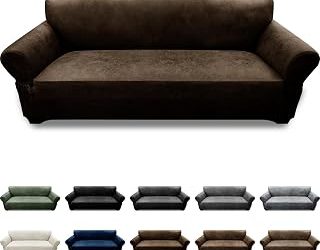
This one-piece stretch cover is the easiest install on the list, largely because the elasticized bottom hem does the anchoring for you instead of asking you to stuff fabric under the frame. The knit hides minor lumps well, making it a strong fix for an older couch whose cushions have gone slightly uneven.
H.VERSAILTEX Velvet Plush Slipcover
The four-piece format takes longer to fit but pays off in a much cleaner silhouette, since each cushion gets wrapped separately rather than sharing one stretched panel. The plush velvet has real weight to it and reads as upholstery rather than a cover, which is rare in this price bracket.
VOIR Chenille Sectional Slipcover (Vintage Toffee)
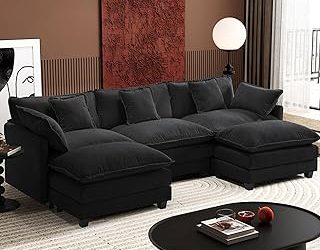
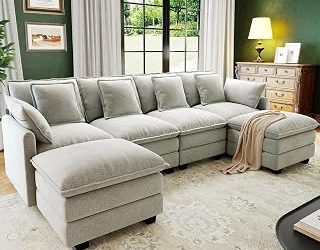
At 87 by 150 inches, this is the pick for oversized four-seaters and L-shaped sectionals that most stretch covers simply cannot span. The chenille texture is thick enough to blunt cat claws and drape naturally over a chaise without constant readjustment.
4-Piece T Couch Cover, Leather Look
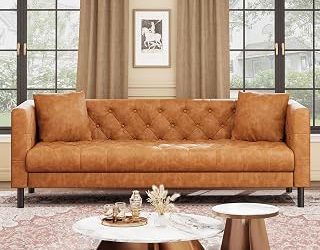
Faux-leather slipcovers usually look plasticky, but this one is cut properly for T-cushion sofas, which is where cheaper leather-look covers fall apart at the front corners. Wipe-clean convenience makes it practical for households where snacks happen on the sofa.
Easy-Going 100% Waterproof Couch Cover (Cream)
The stretch jacquard hides the waterproof backing better than most, so you get spill protection without the crinkle of a mattress protector. This is my default recommendation for homes with senior dogs, potty-training toddlers, or anyone recovering from surgery.
Frequently Asked Questions
How do I stop a slipcover from sliding off?
Roll foam tucking rods deep into the crevice between deck and back, then anchor the elastic hem under the frame. If it still creeps, tuck a rolled towel or pool noodle behind the seat cushions for extra bulk.
Can I machine wash these covers?
Yes, all six are washable, but use cold water and low heat. High dryer heat is what kills elastic and shrinks knit panels, so pull covers out slightly damp and reinstall them to reshape.
One-piece or multi-piece: which is better?
One-piece is faster and better for daily-use couches. Multi-piece looks sharper and lets you wash a single cushion after a spill, which is genuinely useful over a couple of years.
Will a slipcover work on a reclining sofa?
Standard sofa covers rarely do, because the mechanism needs clearance and separate back panels. Look specifically for recliner-rated sets sold by section.
Final Thoughts
For most three-cushion couches, the Easy-Going Stretch Cover in Bluestone offers the best balance of quick install and clean fit, while the Easy-Going Waterproof version is the smarter buy if pets or kids are the reason you’re shopping. If you have an oversized sectional to cover, the VOIR chenille slipcover is the only one here with the dimensions to handle it properly.