Our Short List of 3
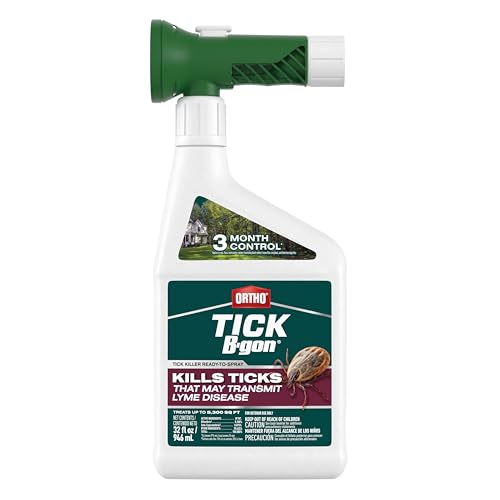
- Model: 4667305
- Form: Ready-to-spray hose-end bottle
- Volume: 32 fl oz
- Active ingredients: Bifenthrin 0.300%, zeta-cypermethrin 0.075%
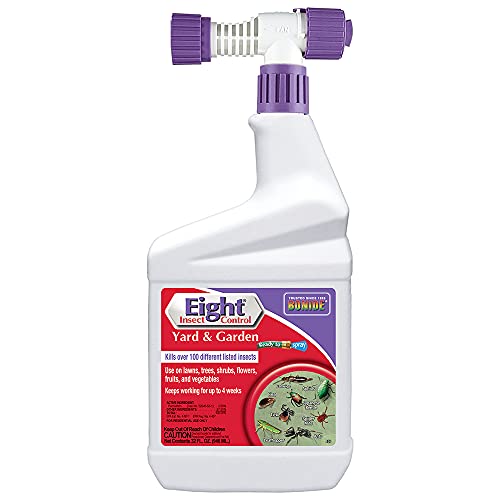
- Model: 426
- Form: Ready-to-spray hose-end bottle
- Volume: 32 fl oz
- Active ingredient: Permethrin 2.5%

- Model: 028-6
- Form: Concentrate for a pump or dial sprayer
- Volume: 64 fl oz
- Active ingredient: Permethrin 2.5%
All 5 Picks at a Glance
| Product | Specs | Action |
|---|---|---|
| 1. Ortho Tick B-gon Tick Killer Ready-to-Spray, 32 oz |
| Check price on Amazon |
| 2. Bonide Eight Insect Control Yard & Garden Ready-to-Spray, 32 oz |
| Check price on Amazon |
| 3. Summit Tick & Flea Spray Concentrate, 64 oz |
| Check price on Amazon |
 4. BioAdvanced Complete Brand Insect Killer for Soil and Turf Concentrate, 40 oz |
| Check price on Amazon |
 5. Atticus Talak 7.9 F Bifenthrin Insecticide Concentrate, 32 oz |
| Check price on Amazon |
Our Top Picks
A tick does not hunt you down. It climbs to the tip of a grass blade or the edge of a leaf-litter bed, forelegs raised, and waits for a warm body to brush past. That habit, called questing, is why the yard itself is worth treating: the tick spends nearly its whole life on the ground, in the shaded band where lawn meets woods, under shrubs and decks, and along stone walls and woodpiles. A yard spray kills ticks in that ground layer before they reach a leg, a sock or a dog.
This guide covers outdoor yard liquids only: hose-end ready-to-spray bottles and concentrates you dilute yourself, all labeled for lawns and the rough edges around them. Skin repellents and clothing treatments belong to a different layer of defense and sit outside this guide’s scope. Three picks are hose-end bottles; two are concentrates built for bigger ground and repeat rounds.
Disclosure: As an Amazon Associate, we earn from qualifying purchases made through links on this page, at no extra cost to you.
How to Choose a Tick Yard Spray
Treat the edges, not the middle. Ticks quest where grass meets woods, in leaf litter, under shrubs and decks, along fences and woodpiles, and on the shaded side of the house. Open sunny lawn mowed short is poor tick habitat. A careful pass over a ten-foot band along the wood line, plus beds and shaded corners, does more than soaking the center of the yard.
Hose-end bottles trade precision for speed. A ready-to-spray bottle screws onto the garden hose and meters the formula as you walk, so a whole lawn takes minutes and there is nothing to measure. A concentrate you dilute yourself takes more effort per round but lets you refill a sprayer all season from one container, and the cost per treated square foot drops hard on large lots.
Know the active ingredients. Bifenthrin paired with zeta-cypermethrin is the fast synthetic pairing in the hose-end picks here; both kill on contact and leave a residue that keeps working after the lawn dries. Permethrin is the older workhorse, sold both as a hose-end bottle and as a yard concentrate aimed squarely at ticks and fleas. One concentrate below blends a contact pyrethroid with imidacloprid, a systemic that moves into the soil for the stages living below the surface. The strongest bottle is a professional-style bifenthrin concentrate at 7.9 percent.
Do the coverage math before you buy. Yard bottles state the area they treat, and the figure changes with the target surface: the same bottle may cover 5,300 square feet of lawn but only 1,400 square feet of perimeter work. Measure the lawn, add the beds and the wood line, and buy for the total.
Mind the chemistry around cats, bees and water. Permethrin and the other pyrethroids here are highly toxic to cats while wet and to fish at any time, so keep cats indoors until treated ground is fully dry and never spray toward ponds or storm drains. Apply on a calm morning or evening, away from open blooms, to limit drift and protect pollinators.
Plan for the season, not the weekend. Nymphal blacklegged ticks peak in late spring and early summer; tiny and easy to miss, they are the stage most likely to pass on Lyme disease. Residual length is the scheduling number: some picks hold for about four weeks, others for up to three months.
The 5 Best Tick Yard Sprays
1. Ortho Tick B-gon Tick Killer Ready-to-Spray, 32 oz
- Model: 4667305
- Form: Ready-to-spray hose-end bottle
- Volume: 32 fl oz
- Active ingredients: Bifenthrin 0.300%, zeta-cypermethrin 0.075%
Most yard sprays treat ticks as one name on a long list. This bottle reverses the order: it is built and labeled as a tick killer first. The bifenthrin and zeta-cypermethrin formula kills listed insects within minutes of contact and holds control for up to three months against ants, fleas and American dog ticks, with deer ticks and brown dog ticks also named among 235 listed pests. The hose-end bottle treats up to 5,300 square feet of lawn, and people and pets may come back once the spray has dried. If ticks are the reason you are buying and you want the longest stated control in a no-mix bottle, this is the pick.
2. Bonide Eight Insect Control Yard & Garden Ready-to-Spray, 32 oz
- Model: 426
- Form: Ready-to-spray hose-end bottle
- Volume: 32 fl oz
- Active ingredient: Permethrin 2.5%
Bonide’s Eight line has been a garden-shelf staple for decades, and this hose-end version puts permethrin to work across the whole yard rather than only the lawn. The label covers lawns, trees, shrubs, flowers, fruits, nuts and vegetables, plus the outside surfaces of buildings and patios, which suits properties where ticks ride in along foundation plantings and shaded beds. It kills more than 100 listed insects, brown dog ticks and fleas among them, and the water-based formula keeps killing for up to four weeks. Connect the hose and spray; there is no mixing and no tank to rinse.
3. Summit Tick & Flea Spray Concentrate, 64 oz
- Model: 028-6
- Form: Concentrate for a pump or dial sprayer
- Volume: 64 fl oz
- Active ingredient: Permethrin 2.5%
Summit sells this permethrin concentrate under a name that leaves no doubt about its job. The half-gallon bottle makes up to 50 gallons of finished spray and covers up to 10,000 square feet, the largest stated coverage in this group, which makes it the practical choice for big lots and long wooded edges. The label aims it at exactly the ground ticks use: yard perimeters, shady perennial beds, trails, weedy patches and dense shrubbery, and it names deer ticks and brown dog ticks among its targets. Mix 1.28 ounces per gallon in your own sprayer and expect control to hold for up to four weeks.
4. BioAdvanced Complete Brand Insect Killer for Soil and Turf Concentrate, 40 oz
- Model: not published
- Form: Concentrate for a pump or dial hose-end sprayer
- Volume: 40 fl oz
- Active ingredients: Imidacloprid 0.72%, beta-cyfluthrin 0.36%
This concentrate works two ways at once. Beta-cyfluthrin knocks down surface insects within 24 hours, while imidacloprid works into the soil and keeps killing soil-dwelling stages for up to three months. Ticks, including deer ticks, sit on the surface list alongside fleas, ants, chinch bugs and mosquitoes, and the soil side also handles grubs and mole crickets. Diluted at 3 fluid ounces per gallon for lawn pests, the bottle covers up to 6,667 square feet and is labeled for lawns and along building foundations only. Two cautions shape who should buy it: the formula is a neonicotinoid blend, which some households avoid around pollinator plantings, and it is not for sale into Nassau, Suffolk, Kings and Queens counties in New York.
5. Atticus Talak 7.9 F Bifenthrin Insecticide Concentrate, 32 oz
- Part number: 530228
- Form: Suspension concentrate for a pump sprayer
- Volume: 32 fl oz
- Active ingredient: Bifenthrin 7.9%
Talak carries the same 7.9 percent bifenthrin load as the professional concentrates pest operators have used for years, in a bottle a homeowner can measure by the teaspoon. The water-based suspension dries clear and carries no lingering odor, and one application holds for up to three months against more than 75 listed pests, ticks included. For lawns, the label rate runs from 1 to 6 teaspoons per gallon of water, with one gallon of mixed spray treating 1,000 square feet, so a single quart stretches across a full season of edge work on most lots. It asks more of the user than any hose-end bottle here — careful measuring, same-day use of mixed spray, and respect for the label’s state limits, since it is not registered for sale in Connecticut, New York or Vermont.
Comparison Table
| Product | Form | Active ingredient | Coverage | Control length | Best for |
|---|---|---|---|---|---|
| Ortho Tick B-gon Ready-to-Spray | Hose-end bottle | Bifenthrin, zeta-cypermethrin | Up to 5,300 sq ft of lawn | Up to 3 months for listed pests | Tick-first treatment with no mixing |
| Bonide Eight Yard & Garden | Hose-end bottle | Permethrin 2.5% | Lawns, beds, trees and surfaces | Up to 4 weeks | Plantings, foundations and mixed ground |
| Summit Tick & Flea Concentrate | Concentrate, 64 oz | Permethrin 2.5% | Up to 10,000 sq ft | Up to 4 weeks | Large lots and long wooded edges |
| BioAdvanced Complete Concentrate | Concentrate, 40 oz | Imidacloprid, beta-cyfluthrin | Up to 6,667 sq ft of lawn | Up to 3 months in soil | Lawns with grubs and surface pests |
| Atticus Talak 7.9 F | Concentrate, 32 oz | Bifenthrin 7.9% | 1,000 sq ft per mixed gallon | Up to 3 months | Measured, professional-style rounds |
FAQ
Where in the yard should a tick spray go?
Work the edges, not the middle. Ticks quest where grass meets woods, in leaf litter, under shrubs and decks, along stone walls and woodpiles, and in the shaded band beside the house. Sunny lawn that gets mowed short is poor tick habitat and needs the least product.
How often should I spray my yard for ticks?
Follow the interval on the label of the product you choose. The permethrin picks here hold for about four weeks per application, while the bifenthrin and systemic concentrates run up to three months. Most yards get a first pass in spring when nymphs become active, then repeat rounds through summer.
Should I buy a hose-end bottle or a concentrate?
Buy the hose-end bottle if the yard is modest and you value speed: connect, walk, done, with nothing to measure or rinse. Buy a concentrate if the property is large, the wood line is long, or you plan repeat rounds all season.
When can children and pets go back onto a treated lawn?
For every pick in this guide, the rule is the same: when the treated ground has dried completely. Cats deserve extra care, because permethrin and other pyrethroids are dangerous to them while wet, so keep cats inside until drying is complete. Never apply a yard product directly to an animal.
Will a tick yard spray also handle fleas and mosquitoes?
Usually, yes. Every pick here lists fleas on its label, and most list mosquitoes as well, because the same pyrethroid chemistry kills all three on contact. Check the label for the exact pest list, and remember that a yard spray treats the ground layer only; pets and people still need their own protection.
Conclusion
Match the bottle to the ground you actually have. For most suburban yards, the Ortho Tick B-gon bottle is the straightforward answer: tick-first labeling, three months of stated control for its headline pests, and no mixing. Bonide Eight suits properties where the problem ground is plantings and foundation beds rather than open turf. Step up to a concentrate when the lot is large or the season is long: Summit for sheer coverage per bottle, BioAdvanced when grubs share the lawn with ticks, and Talak for professional-strength bifenthrin by the teaspoon. Whichever bottle you pick, aim it at edges and shade, respect the dry time, and keep the follow-up round on the calendar.
More from Amazon
Programs that pair well with the guide above. Offers and eligibility are set by Amazon and may change.
A free business account with business pricing and bulk-buying tools for work, shop or home office.
Create a business accountFree shipping on eligible items, Prime Video and more. Eligible new members can start with a free trial.
Start a Prime free trialAudiobooks and podcasts to listen to on the go. Eligible new members can start with a free trial.
Try Audible freeAd-free music streaming. Eligible new subscribers can start with a free trial.
Try Music Unlimited freeAs an Amazon Associate we earn from qualifying purchases.