Key takeaways
- Footprint and vertical clearance: Mock up the base in cardboard, then measure the height with the lid or reservoir fully open. Many countertop units need 3–4 inches of rear clearance for the condenser fan, and ice-making models throw off real heat — tucking one into a tight nook shortens compressor life.
- Electrical load: A heating element plus a compressor can pull 1,200–1,500 watts on startup. Share a 15-amp kitchen circuit with a toaster or microwave and you’ll trip it. Give these machines their own outlet, and skip the thin extension cord entirely.
- Water source and loading style: Bottom-loading coolers hide the jug in a cabinet and spare your back; top-fill reservoirs are lighter and easier to clean but need refilling daily. Decide which one matches your traffic before you commit to a five-gallon habit.
- Brewer flexibility: Pod-only machines lock you into a format. Units accepting both K-Cup pods and a reusable ground-coffee basket let you switch based on who’s drinking, and they cut long-term cost per cup considerably.
- Maintenance access: Look for a removable drip tray, a drainable ice bin, and a descaling mode. Hard water is the quiet killer of any machine with a boiler — plan on a vinegar or citric acid cycle every 4–8 weeks and buy accordingly.
What's inside
Anyone who has tried to squeeze a kettle, a drip machine, a countertop ice maker, and a five-gallon cooler into one kitchen corner knows how the story ends: three cords braided into a single outlet, a puddle under the drip tray, and about four inches of usable prep space left. The appliance sprawl problem isn’t really about appliances — it’s about counter depth, circuit capacity, and the fact that most of these machines want clearance on all sides to vent heat. Combining hot water, cold water, ice, and coffee into one chassis solves a layout problem before it solves a beverage one.
This guide is written from the perspective of someone who measures twice, tapes a cardboard footprint to the counter before ordering, and checks what else is on the breaker. Below you’ll find the combination units worth considering in 2026, plus the specs that actually matter once the box is open — reservoir access, tray height, descaling reality, and whether the machine can live under an upper cabinet without cooking itself.
As an Amazon Associate we earn from qualifying purchases.


🛒 Best Price Today on Amazon
Prime members get fast, free shipping on everything above, plus member-only deals. New members get a 30-day free trial — cancel anytime.
How to Choose a Water Dispenser With Coffee Maker (2026)
- Footprint and vertical clearance: Mock up the base in cardboard, then measure the height with the lid or reservoir fully open. Many countertop units need 3–4 inches of rear clearance for the condenser fan, and ice-making models throw off real heat — tucking one into a tight nook shortens compressor life.
- Electrical load: A heating element plus a compressor can pull 1,200–1,500 watts on startup. Share a 15-amp kitchen circuit with a toaster or microwave and you’ll trip it. Give these machines their own outlet, and skip the thin extension cord entirely.
- Water source and loading style: Bottom-loading coolers hide the jug in a cabinet and spare your back; top-fill reservoirs are lighter and easier to clean but need refilling daily. Decide which one matches your traffic before you commit to a five-gallon habit.
- Brewer flexibility: Pod-only machines lock you into a format. Units accepting both K-Cup pods and a reusable ground-coffee basket let you switch based on who’s drinking, and they cut long-term cost per cup considerably.
- Maintenance access: Look for a removable drip tray, a drainable ice bin, and a descaling mode. Hard water is the quiet killer of any machine with a boiler — plan on a vinegar or citric acid cycle every 4–8 weeks and buy accordingly.
The Best Water Dispensers With Coffee Makers (2026), Reviewed
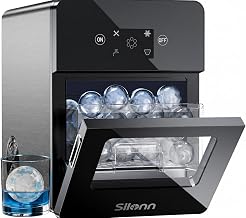
3-in-1 Water Dispenser with Ice Maker and K-Cup / Ground Coffee Brewer
The most complete single-box solution here: three water temperatures, adjustable 5–15 oz pours, and bullet ice in 8–12 minutes, plus a brewer that takes pods or loose grounds. The 12-hour timer earns its keep if you want hot water waiting at 6 a.m. without leaving the element cycling all night.
3-in-1 Water Dispenser with Ice Maker and Compact Coffee Brewer
Effectively the same engine in a tighter package, which makes it the pick for apartment counters and office break nooks where depth is the constraint. Same 5–15 oz volume control and countdown timer, less overhang.
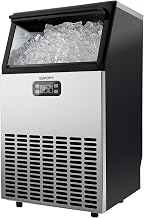
Euhomy 4-in-1 Water Dispenser with Ice Maker
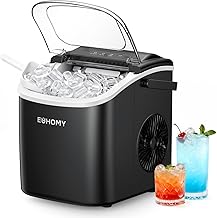
Bottom-loading, fits both 3- and 5-gallon jugs, and pushes up to 33 lbs of ice per day — genuinely enough for a household that entertains. The childproof lock on the hot tap is the detail parents should weigh most heavily.
Keurig K-Duo Hot & Iced Coffee Maker
Not a water cooler, but the smartest compromise if coffee is the priority and you already have filtered water on tap. MultiStream extraction plus a 72 oz reservoir means you can pull a single cup or a full carafe from the same machine.
Hamilton Beach 45 Cup Coffee Urn
The volume play: 15 to 45 cups at roughly a minute per cup, with a two-way lever for manual or continuous pour. Ideal for shop open houses, church basements, and any workshop where a dozen people arrive at once.
Frequently Asked Questions
Do these units need a plumbing connection?
None of the models here require a water line. They run from a bottled jug or an internal reservoir, so installation is limited to finding an outlet and a level surface.
How often should I descale?
Every 4–8 weeks on hard water, or roughly every three months if you’re filling with filtered water. Mineral scale on the heating element is what causes weak hot output and longer brew times.
Can the ice maker run continuously?
These are non-freezing bins, so unused ice slowly melts back into the reservoir and gets refrozen. Expect steady batches rather than a stockpile, and drain the bin before travel.
Is the hot water actually hot enough for tea?
Most dispense in the 185–200°F range — fine for black tea and pour-over, slightly cool for a rolling-boil application. Use a kettle if you’re precise about it.
Final Thoughts
For most kitchens, the 3-in-1 Water Dispenser with Ice Maker and K-Cup / Ground Coffee Brewer covers the widest range of daily needs from a single outlet. Households with high ice demand should step up to the Euhomy 4-in-1 for its bottom-loading jug bay and 33 lb daily output, while the Hamilton Beach 45 Cup Urn remains the practical choice when you’re serving a crowd rather than a family.