
A spare bedroom measuring 10 by 11 feet can hold a functional strength setup with room left to unroll a mat — I’ve seen it done with about $700 of equipment and one afternoon of assembly. The constraint that actually matters usually isn’t square footage; it’s ceiling height, floor loading, and whether the person downstairs can hear a barbell touch down. Sort those three out and the equipment list gets short fast, because most home gyms fail from over-buying rather than under-buying: three machines, two of them draped in laundry.
What follows is a category-by-category breakdown rather than a single ranked list, because a 700-square-foot apartment and a two-car garage call for genuinely different gear. Each pick below is chosen for a specific room profile, with the trade-offs stated plainly — deck size, folded dimensions, noise, and what breaks first. Links here are affiliate links, which cost you nothing extra. Measure your space before you read the comparison table; the numbers will mean more once you know what you’re working with.
As an Amazon Associate we earn from qualifying purchases.

Quick Comparison
| Category Winner | Footprint When Stored | Best Room Type | Main Trade-Off |
|---|---|---|---|
| Adjustable Dumbbell Pair | Two cradles, roughly 2 sq ft total | Any room, including closets | Slower weight changes than fixed pairs |
| Folding Adjustable Bench | Stands upright against a wall | Bedroom or living room corner | Lower weight ceiling than a fixed bench |
| Under-Desk Walking Pad | Slides under a sofa or bed | Apartments, upper floors | Walking and light jogging only |
| Magnetic Folding Rower | Vertical storage, about 2 x 2 ft | Basement, den, wide hallway | Needs about 8 ft of length in use |
| Wall-Mounted Folding Rack | Folds to roughly 6 in of depth | Garage or basement with studs | Requires drilling and 8+ ft ceilings |
| Resistance Band System | Fits in a drawer | Rentals, dorms, travel | Resistance curve differs from free weights |
How to Choose
- Measure vertically, not just horizontally. Overhead pressing with dumbbells needs roughly 12 inches of clearance above your extended reach. An 8-foot ceiling rules out most standing barbell overhead work for anyone over about 5’10”.
- Decide whether you’ll load or drop. If the answer is drop, you need rubber flooring and a ground-floor slab. If you can commit to controlled lowering, a 3/4-inch mat over plywood handles nearly everything.
- Budget by weight ceiling, not by piece count. A pair of dumbbells that stops at 25 lb per hand becomes decoration within four months. Buy the range you’ll grow into, not the one that matches today’s numbers.
- Check the folded dimension against a real doorway. Manufacturers list folded height and width but rarely mention that the flywheel housing juts out. Add three inches to whatever the spec sheet claims.
- Account for noise transmission if you share walls. Magnetic resistance and band work are effectively silent. Belt drives, air resistance, and steel plates are not, regardless of what the mat underneath promises.
Top Picks Reviewed
Best Overall: Adjustable Dumbbell Pair
If you buy one thing, buy this. A pair spanning roughly 5 to 50 lb per hand replaces about fifteen fixed pairs and covers presses, rows, split squats, curls, and loaded carries — enough to build a complete program with no other equipment. Look for a dial or pin mechanism with metal-on-metal engagement rather than plastic selector plates, and check that the handle diameter falls between 1.1 and 1.3 inches; thicker handles quietly limit your grip endurance on rows. The honest downside is transition speed. Drop sets and circuits get clumsy when each change takes six seconds, so program around that rather than fighting it.
Best Foundation Piece: Folding Adjustable Bench
A bench is what turns dumbbells into a gym. Seven back positions from decline through full vertical unlock incline pressing, seated shoulder work, supported rows, and hip thrusts. Prioritize a pad that’s 11 to 12 inches wide — narrower pads pinch the shoulder blades during heavy pressing, wider ones restrict scapular retraction. The gap between seat and back pad matters more than the spec sheet suggests: anything over an inch will dig into your lower back on steep inclines. Folding models store upright in about 18 inches of wall space, which is the difference between a usable spare room and an obstacle course.
Best for Small Apartments: Under-Desk Walking Pad
These slim treadmills run 4 to 6 inches tall and slide under furniture, and they solve a problem gym memberships don’t: accumulating steps on days you never leave the building. Expect a top speed near 4 mph, a belt around 16 inches wide, and motor output between 1.5 and 2.5 HP. That’s built for walking, not running, and pushing past that shortens the motor’s life considerably. The upside for shared-wall living is real — no impact from running, no fan noise, and most models draw less power than a hair dryer while operating around 45 decibels.
Best Cardio Machine: Magnetic Folding Rower
Rowing recruits roughly 85 percent of your musculature and does it without joint impact, which makes it the most efficient single cardio purchase for a home setup. Magnetic resistance is the key specification here: it’s near-silent, requires no calibration, and doesn’t get louder as you pull harder the way air rowers do. Confirm the rail accommodates your inseam — many budget frames cap out around a 36-inch stroke, which shortchanges taller users. In use you’ll need about 8 feet of clear length. Stored vertically it occupies a 2-by-2-foot square, so a closet or corner works.
Best for Serious Lifters: Wall-Mounted Folding Rack
This is the pick for anyone squatting or benching real weight in a garage. Mounted into studs and folded flat, it protrudes about 6 inches, leaving the parking spot intact. Look for 11-gauge steel, a 3-by-3-inch upright, and adjustable pull-up bar height. Installation is the barrier: you need to locate and hit structural studs, and you need 8 feet of ceiling minimum for overhead work inside the frame. Done correctly it holds 800-plus pounds and outlives every other item on this list by a decade.
Best Budget Option: Resistance Band System
A five-band set with a door anchor, handles, and ankle straps costs less than one adjustable dumbbell and travels in a carry-on. Stacked bands can produce 150 pounds of peak tension, and the ascending resistance curve is genuinely useful for pressing lockouts and lateral work that dumbbells handle awkwardly. Buy layered latex rather than fabric-sleeved tubing — sleeved bands hide wear until they fail. Replace anything showing surface cracks. This is the right first purchase for renters who can’t drill and the right supplement for everyone else.
Frequently Asked Questions
How much space do I actually need?
An 8-by-8-foot clear area handles dumbbell work, bench pressing, and floor movements comfortably. Add a rower or rack and you want 8 by 10 with at least 8-foot ceilings. Band-only training works in about 6 by 6.
Will lifting damage my floors?
Bare hardwood and laminate will dent under dropped dumbbells. Interlocking 3/4-inch EVA tiles or horse stall mats protect the surface and cut noise transmission substantially. For heavy barbell work on a wood-joist floor, place a plywood platform under the mats to distribute the load across multiple joists.
Do I need cardio equipment at all?
No, if you’ll reliably walk, cycle, or run outdoors. Machines earn their footprint in climates with a genuine off-season, or when childcare makes leaving the house impractical. Be honest about which situation you’re in before committing the square footage.
What should I buy first?
Adjustable dumbbells, then a bench, then flooring. That sequence delivers a complete strength program for roughly the cost of a year’s gym membership, and each piece stays useful even if you later add a rack.
Final Thoughts
The best home gym is the one you walk past on the way to the kitchen and use anyway. Start with the two pieces that cover the most movements — adjustable dumbbells and a bench — train with them for a couple of months, and let the gaps in your programming tell you what to buy next. That order costs less, wastes less floor, and produces a setup shaped by how you actually train rather than how you imagined you would.
Best Gym Mat for Home: Rubber vs Foam Picks for Any Floor
Best gym mat for home choices come down to material density and...
Best Rowers for Home Gym: Air, Magnetic and Water Compared
Best rowers for home gym shortlists usually collapse once someone measures the...
Best Weight Home Gym: 6 All-in-One Machines for Small Rooms
Best weight home gym decisions come down to two numbers before brand...
Best Home Gym Equipment for Beginners: The Starter Setup
Best home gym equipment for beginners is not a machine – it...
Best Treadmills for Home Gym: 5 Picks by Deck and Motor
Best treadmills for home gym decisions come down to two specifications and...
Best Home Gym Compact Setups: 6 Space-Saving Picks Ranked
Best home gym compact claims usually quote a stored footprint and stay...
Best Adjustable Bench for Home Gym: 5 Picks Ranked by Use
Best adjustable bench for home gym decisions turn on three numbers most...
Best Cable Machine for Home Gym: 5 Picks and Pulley Ratios
Best cable machine for home gym shortlists collapse quickly once you convert...
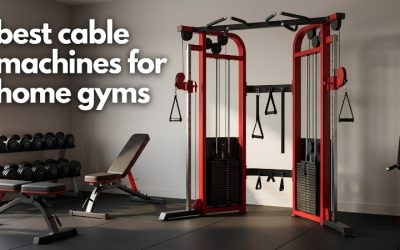
Best Cable Machines for Home Gym: 5 Types and Their Limits
Best cable machines for home gym use are not one product category...
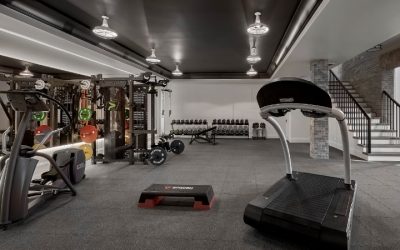
Best Home Gym Setup: Floors, Ceilings, Noise and Layout
Best home gym setup guides talk about equipment and skip the room,...
Write Your Review
No reviews yet. Be the first to share your experience!