why is my house so cold: Buying a larger space heater is not the default fix if central HVAC delivers too little heat or air leaks/insulation allow continuous heat loss.
Quick Answer: A house often feels cold because the heating system is not delivering enough warm air, indoor heat is escaping through drafts or insulation gaps, or ducts distribute heat unevenly. Start with HEAT mode/setpoint, the filter and unobstructed vents, then inspect obvious drafts and insulation; persistent or gas-related problems warrant professional HVAC or home-energy assessment.
As an Amazon Associate we earn from qualifying purchases.
By DIY Ideas 4 Home Editorial Team
Why This Happens: Causes and Warning Signs
Each line below ties a real-world decision to a visible outcome and an explicit limit. Start with the first check that fits the symptom rather than treating the whole list as required repairs.
| Decision point | Owner action | Result to check | Stop or exception |
|---|---|---|---|
| Check the heating call and airflow | Confirm thermostat HEAT, adequate setpoint and accessible clean air-filter condition. | Check whether several rooms have weak or unheated supply air. | Stop for gas odor or CO alarm; never inspect combustion parts. |
| Map cold rooms and drafts | Compare rooms, note drafty edges of windows or doors and cold floors. | A whole-house pattern differs from one cold room or one obstructed vent. | Do not conceal required vents to improve comfort. |
| Inspect visible insulation and duct clues | From safe accessible places, note missing attic insulation, exposed duct damage or gaps. | Document rooms and conditions rather than guessing percentage losses. | Do not enter unsafe attic, crawlspace or duct interiors. |
| Arrange the right professional assessment | For persistent cold despite normal controls, request HVAC service or a home energy audit with air-leak investigation. | Bring temperature observations and filter history to narrow the inspection. | Do not replace the central heating system solely because it is older. |
Whole house cold vs one room cold: first decision
ENERGY STAR identifies uneven cold rooms with duct problems, insufficient insulation or equipment issues.
Before changing equipment, map the cold areas. Is every occupied room below the intended temperature, or is one bedroom uncomfortable while the thermostat room feels fine? A whole-home problem makes it reasonable to review thermostat demand, central equipment, and distribution. One isolated cold room may point toward a closed supply, blocked return, drafty window, or insulation issue. Note the time of day and outdoor conditions, because a room that cools mainly overnight suggests a different pattern from a system that never reaches its setpoint. These observations help avoid replacing an otherwise functioning furnace when the main problem is heat loss.
Check thermostat, heat mode, air delivery and safety
ENERGY STAR recommends checking thermostat settings and evaluating heating equipment; dirty filter slows airflow and makes equipment work harder.
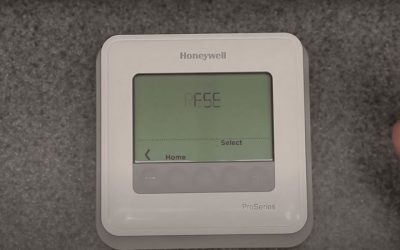
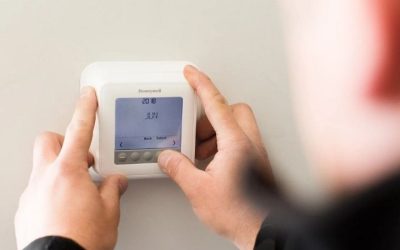
Thermostat behavior is the first indoor check because it can be verified without opening machinery. Confirm HEAT mode, the active schedule or hold setting, FAN AUTO, and a target temperature above the current reading. Compare what the display says with what the air system actually does. A fan that runs does not guarantee the heating stage is on. If your home uses a heat pump, avoid judging it by the hotter supply air you may remember from a gas furnace; instead look for room-temperature progress over a normal cycle. A fault message, continuous cold air, or inability to heat the home justifies professional evaluation.
Thermostat setting or heating schedule issue
From safe accessible places, note missing attic insulation, exposed duct damage or gaps.
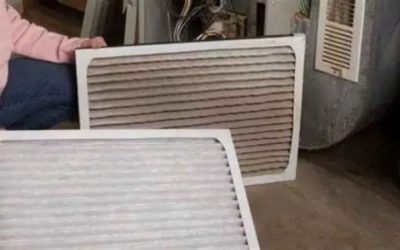
Airflow restrictions are easier to observe than internal furnace faults. Check visible supply and return grilles, the accessible filter, and whether furniture is blocking the return-air path. Do not stuff openings with blankets to redirect heat or close nearly all registers in hopes of warming one room; those changes can disturb designed system airflow. Use the correct filter dimensions and manufacturer-compatible media if replacement is allowed. If the house remains cold, the issue may involve the equipment, duct losses, or inadequate insulation. Identifying which rooms have weak airflow gives the service provider a better starting point than simply saying the house feels cold.
Dirty HVAC filter or restricted vents
ENERGY STAR advises monthly filter inspection during heavy-use seasons, replacing when dirty and (as general guidance) at least every 3 months; confirm the installed filter and HVAC manual.
Furnace/heat-pump malfunction (call an HVAC pro)
ENERGY STAR notes that equipment >10 years old (heat pump) may need evaluation, but not automatic replacement; older heat sources and persistent discomfort warrant assessment.
How to Interpret the Evidence
Heating equipment must add energy at least as quickly as the house loses it to maintain its thermostat setpoint.
Leaky ducts can divert supplied heat to unconditioned areas; missing insulation increases conductive losses; drafts add air-change losses.
How to Check the Problem Safely
Begin with observable conditions and proceed only through permitted user controls. A safety alarm, damaged part, live connection or inaccessible component ends the do-it-yourself path.
Step 1: check the heating call and airflow
Confirm thermostat HEAT, adequate setpoint and accessible clean air-filter condition. Check whether several rooms have weak or unheated supply air.
Stop for gas odor or CO alarm; never inspect combustion parts.
DOE explains that insulation slows heat flow and air sealing blocks draft airflow; both may matter.
If a room is especially cold near windows or exterior doors, inspect for obvious gaps, missing sweeps, and movable curtains. A cold draft at your feet can make the room feel uncomfortable even when the central thermostat reaches its setting. Simple weatherstripping can address eligible moving joints, while cracked glass, water damage, or rotten frames may need specialist repair. Distinguish a draft from poor insulation: a cool surface does not automatically mean air is leaking through it. Compare temperatures and comfort before and after one modest improvement rather than sealing every possible opening without checking drainage or ventilation requirements.
Step 2: map cold rooms and drafts
Compare rooms, note drafty edges of windows or doors and cold floors. A whole-house pattern differs from one cold room or one obstructed vent.
Do not conceal required vents to improve comfort.
ENERGY STAR maps drafty rooms to door/window/wall leakage and cold floors to basement/crawlspace issues, and flags attic insulation and air leaks.
Separate performance, comfort, and emergency safety. A cold house should not be compensated for by using an oven, camping stove, or other unsafe combustion appliance as a room heater. If fuel odors or a CO alarm occur, follow emergency instructions and leave. If the heating system cannot keep occupants safe during severe weather, arrange a heated alternative rather than waiting indefinitely for a troubleshooting guess to work. Once immediate needs are secure, a qualified HVAC evaluation and a focused insulation assessment can determine which investment solves the actual problem.
Step 3: inspect visible insulation and duct clues
From safe accessible places, note missing attic insulation, exposed duct damage or gaps. Document rooms and conditions rather than guessing percentage losses.
Do not enter unsafe attic, crawlspace or duct interiors.
ENERGY STAR says leaky ductwork can reduce HVAC efficiency, create comfort problems and in some contexts increase backdrafting risk.
Step 4: arrange the right professional assessment
For persistent cold despite normal controls, request HVAC service or a home energy audit with air-leak investigation. Bring temperature observations and filter history to narrow the inspection.
Do not replace the central heating system solely because it is older.
DOE describes blower-door and thermal/air-leak assessment as ways to prioritize upgrades; no universal savings without a real home audit.
Products That Help
Useful supplies for the specific checks above can include correct-size HVAC filter and compatible programmable thermostat. Confirm the exact size, device compatibility and applicable maintenance instructions first. Equipment and tools do not remove the need to stop for a safety fault.
When to Call a Pro
Give the service provider the model number, the symptoms in time order, your observed operating conditions and any displayed fault code. Do not open sealed electrical, refrigerant or combustion components to collect this information.
Frequently Asked Questions
The answers below separate normal operation, owner-accessible checks and conditions that require manufacturer support or professional service.
Why is my house cold when the heat is on?
The thermostat may be calling for heat but the filter or ducts may restrict delivery, or drafts and poor insulation may lose the heat. Distinguish heat delivery from heat loss.
How can I tell if drafts or HVAC are the main problem?
Check room supply airflow and thermostat response first; then compare cold zones with window/door drafts. Persistent system faults need HVAC service; envelope losses may need an energy audit.
Why is one room colder than the rest?
Duct imbalance, leaking ducts, insufficient insulation or a localized window/door leak can cause uneven temperatures. Record which room and conditions differ.
Should I replace my heater or improve insulation first?
Not automatically. Verify the system actually delivers heat and assess air leakage and insulation before committing to replacement solely because equipment is old.
Final Thoughts
Confirm thermostat HEAT, adequate setpoint and accessible clean air-filter condition. Do not replace the central heating system solely because it is older.