Key takeaways
- Bundled SmartSensor targets occupied-room comfort without another initial purchase.
- Power Extender Kit can help supported homes lacking a dedicated C wire.
- Three-year limited warranty exceeds Google’s standard two-year retail term.
A smart thermostat is worth buying when its wiring terminals match your heating and cooling equipment and its controls fit the way your household actually uses rooms. The ecobee Smart Thermostat Premium is our best overall pick for supported 24-volt systems because it includes a remote SmartSensor, supports common HVAC accessories and ships with a Power Extender Kit for many homes lacking a C wire. But Google, Sensi and Honeywell Home have better fits for particular requirements, especially learning schedules, simpler controls or room-sensor expansion. First identify your system voltage, heat-pump stages and existing terminal labels; app features cannot fix incompatible wiring.
Quick Verdict: Buy ecobee Smart Thermostat Premium for its bundled sensor and broad 24V control options, after running the maker’s compatibility checker. The six picks below are editorial comparisons of published product documents as of October 2026, not hands-on trials; check current price and model availability before ordering.
As an Amazon Associate we earn from qualifying purchases.
By DIY Ideas 4 Home Editorial Team
6 Best Smart Thermostats Reviewed
The most useful comparison starts with the system each controller can operate: conventional furnaces, multi-stage air conditioners, heat pumps with auxiliary heat, or supported humidification accessories. We favored named models with manufacturer documentation for low-voltage compatibility, their C-wire strategy, at least one specific automation feature and physical dimensions. Published list prices below are reference points from October 2026, rather than a forecast of checkout totals. Current manufacturer pages put this group from lower-priced entry devices to approximately $280 premium controllers, with no consistent official list price published for two models.
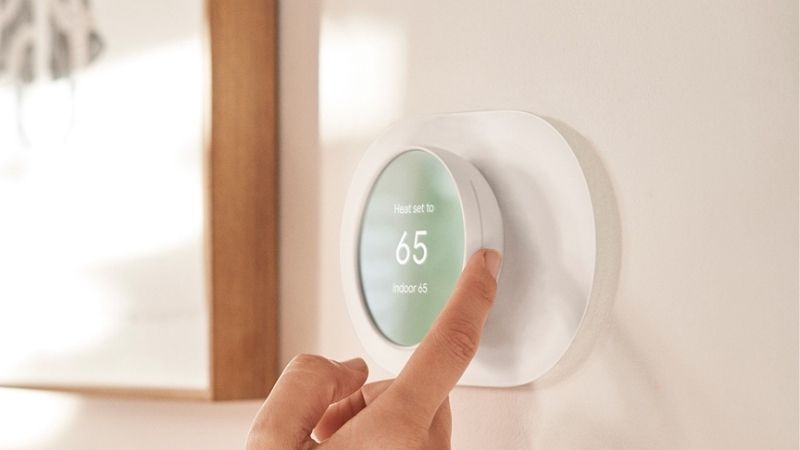
| Product | Best For | Key Spec | Listed Price (as of October 2026) | Watch Out For |
|---|---|---|---|---|
| ecobee Smart Thermostat Premium | Best Overall | 24VAC; 2H/2C conventional; included SmartSensor and PEK | $259.99 | Sensor placement and accessory wiring still need checking |
| Google Nest Learning Thermostat (4th gen) | Adaptive Schedules | 24V; up to 3H/3C conventional; includes one room sensor | $279.99 | Some systems still need a Nest Power Connector |
| ecobee Smart Thermostat Enhanced | Multi-Room Expansion | 24VAC; 2H/2C conventional; optional SmartSensors | $199.99 | Room sensors sold separately |
| Sensi Touch 2 ST76 | Room Monitoring Controls | 24V; 2H/2C conventional; 4H/2C heat pump | $209.99 | Dedicated C wire required on every installation |
| Honeywell Home X8S X8VWF7W | Large Wall Display | 24VAC; 2H/2C conventional; 5-inch display | No official list price | C wire or separate compatible adapter needed |
| Sensi Lite Smart Thermostat | Basic Scheduling | 24V; 1H/2C or 2H/1C multi-stage limits | No official list price | C wire needed for heat-only, cool-only and heat pumps |
ecobee Premium: Best Overall
Best For: Households with a supported 24V HVAC system that want an included room sensor and flexible accessory control.
The Premium is the most complete household-control package here without requiring an immediate sensor add-on. The bundled SmartSensor helps prioritize a frequently occupied room instead of treating the hallway thermostat as the whole home’s temperature. Compared with Google’s Learning Thermostat, ecobee emphasizes occupancy sensing, accessory terminals and a Power Extender Kit in the same retail package. That combination makes its higher asking price easier to justify when your system supports those features; it does not magically create independently controlled HVAC zones.
ecobee’s Smart Thermostat Premium product page lists $259.99, a 4-inch color touchscreen and compatibility with most 24VAC systems, including up to 2 heat and 2 cool conventional stages and supported heat pumps with auxiliary stages. The same page identifies an included Power Extender Kit, a three-year limited warranty and a single supported 1-wire or 2-wire HVAC accessory arrangement. These specifications are manufacturer statements, not confirmation that an unusual existing wiring layout will work.
The thermostat measures 4.09 inches high, 4.09 inches wide and 1.02 inches deep according to ecobee’s product specifications. The supplied trim plate is wider, at approximately 6.29 inches, which may conceal an old paint outline. Installation begins with photos of terminal letters, not wire colors. Buyers using a humidifier and ventilation accessory simultaneously should have an HVAC professional verify whether the available accessory terminals can serve that particular combination.
Pros:
- Bundled SmartSensor targets occupied-room comfort without another initial purchase.
- Power Extender Kit can help supported homes lacking a dedicated C wire.
- Three-year limited warranty exceeds Google’s standard two-year retail term.
Cons:
- At $259.99, it costs more than Enhanced before sensor extras.
- Accessory terminal capacity will not suit every complex HVAC installation.
Who Should Buy It: Pick Premium for the sensor-in-box package; choose ecobee Enhanced if adding room sensors later is preferable.
Google Nest 4th Gen: Adaptive Schedules
Best For: Owners who prefer learning temperature routines and a bundled remote sensor within Google’s home-control ecosystem.
Google’s fourth-generation Learning Thermostat is compelling when the schedule itself is the feature you do not want to manage. It adjusts to routine and occupancy patterns within its supported setup, while the included second-generation Nest Temperature Sensor provides a different room’s reading. Compared with Sensi Touch 2, the Nest can operate in many compatible homes without an existing C wire. The caution is that power sharing does not eliminate every possible low-voltage or accessory conflict.
Google Store’s Nest Learning Thermostat (4th gen) specifications list a $279.99 regular price, a 2.7-inch circular display and support for many 24V gas, electric, oil, heat-pump and radiant systems. Google’s compatibility documentation lists up to three heating and three cooling stages for applicable conventional wiring, with different limits for heat pumps and accessories. Its official documentation says the C wire is generally not needed, but certain installations require a C wire or Nest Power Connector. A two-year retail warranty is listed for the product.
The round enclosure is 3.9 inches in diameter, 1.1 inches deep and weighs 5.7 ounces. Google includes a trim plate, steel mounting plate and one Nest Temperature Sensor, a meaningful distinction from an optional-sensor thermostat. The display’s large diameter does not necessarily cover every rectangular hole or wallpaper border from an older wall controller. Homes with dual fuel or several auxiliary devices should follow Google’s terminal-specific checker and consider professional configuration.
Pros:
- One Nest Temperature Sensor comes with the fourth-generation thermostat.
- Google documents power sharing for many installations without C-wire connections.
- Supports Matter alongside Google’s app-based thermostat controls.
Cons:
- $279.99 regular list price is the highest published in this selection.
- Some borderline wiring systems still require an additional power accessory.
Who Should Buy It: Choose Nest for Google’s learning controls; compare ecobee Premium if included sensor plus accessory support matter more.
ecobee Enhanced: Multi-Room Expansion
Best For: Homeowners starting with occupancy automation who may purchase remote room sensors after living with the system.
Enhanced keeps much of ecobee’s core experience without asking the buyer to pay immediately for the Premium’s bundled SmartSensor and air-quality-oriented extras. Built-in radar occupancy detection can adjust comfort when the home empties, while separately sold sensors give you room-level readings later. For a household that rarely has temperature complaints away from the hallway, that staging of expenses is practical. It is less suitable if you already know you need a bundled remote sensor on day one.
ecobee’s Smart Thermostat Enhanced product page lists $199.99, a 4-inch full-color touchscreen, and conventional 24VAC support up to 2H/2C; heat-pump support depends on its specified auxiliary staging. The maker includes a Power Extender Kit and describes single-wire accessory control for compatible humidifiers, dehumidifiers or ventilators. An optional ecobee SmartSensor adds room occupancy information. The limited warranty is three years on ecobee’s own retail documentation.
At 4.09 inches high by 4.09 inches wide by 0.94 inches deep, Enhanced is slightly shallower than Premium. The supplied trim plate shares the larger 5.65 by 6.29-inch footprint, useful where the previous thermostat left wall marks. Check whether your HVAC equipment uses two transformers, unusual fan speeds or an accessory relay; those details decide whether an installer can use the existing conductors. Remote sensors are a continuing upgrade cost rather than an included benefit here.
Pros:
- $199.99 published price preserves money for later room-sensor purchases.
- Included Power Extender Kit addresses many supported four-wire arrangements.
- Three-year manufacturer warranty and integrated occupancy radar are specified.
Cons:
- No SmartSensor included for a distant bedroom at the initial price.
- Supports a narrower HVAC accessory arrangement than Premium’s terminal options.
Who Should Buy It: Choose Enhanced for gradual sensor expansion; choose Google Nest Learning Thermostat when an included sensor and learning interface are priorities.
Sensi Touch 2 ST76: Room Monitoring Controls
Best For: Owners with a confirmed C wire who want touchscreen scheduling and optional Sensi room or outdoor sensing.
Touch 2 appeals to a household that wants to inspect HVAC runtime reports and maintain an explicit seven-day schedule instead of handing every decision to a learning algorithm. Its room and outdoor sensor ecosystem can help interpret uneven comfort and selected heat-pump conditions. Unlike the Nest’s power-sharing approach, Sensi requires a C wire regardless of the kind of heating or cooling system. That single compatibility requirement can make installation either straightforward or unexpectedly involved.
Sensi’s Touch 2 product page lists $209.99 for the ST76 family. Its model-specific retail spec sheet gives 2 heating and 2 cooling stages for conventional equipment and up to 4 heating and 2 cooling stages for suitable heat pumps, while identifying a three-year warranty. The product page describes geofencing, flexible scheduling, usage reports and compatibility with separately purchased indoor and outdoor sensors. Sensi’s installation guide explicitly requires a compatible 2.4GHz Wi-Fi network for setup.
Sensi’s thermostat dimensions support page identifies the Touch 2 at 5.6 inches wide by 3.25 inches high by approximately 0.8 inch deep. That long, low shape may cover a different wall outline than ecobee’s nearly square devices. Confirm that your old thermostat terminals and the furnace control board actually provide a continuous common connection; a wire visible in the wall is not enough. A separately purchased C-wire kit or a qualified technician may be required, which can change the purchase economics.
Pros:
- Published ST76 spec supports up to 4H/2C suitable heat-pump arrangements.
- Model includes a color touchscreen with seven-day schedule options.
- Three-year warranty supports buyers avoiding frequent controller replacement.
Cons:
- Mandatory C wire can add labor in an older house.
- Remote room and outdoor sensors cost extra rather than arriving bundled.
Who Should Buy It: Choose ST76 when C-wire power and runtime visibility are assured; choose Sensi Lite if touchscreen hardware is unnecessary.
Honeywell Home X8S X8VWF7W: Large Wall Display
Best For: Households prioritizing a five-inch thermostat display and supported 24V accessory control in a newer Resideo setup.
The X8S is an alternative to the ecobee and Google interfaces when wall readability is a deciding practical concern. Its large display can be easier to operate without reaching for a phone, and Resideo documents relevant humidifier, dehumidifier and ventilator terminals. A particularly important distinction is that a large display does not mean universal compatibility: X8S is strictly a low-voltage controller. It is not an option for electric baseboard heaters using 120 or 240 volts.
Honeywell Home’s X8S and X8Q Installation and User Manual identifies the white X8S as model X8VWF7W and states a 5-inch display, 24VAC power with a required C wire and up to 2H/2C conventional or 3H/2C heat-pump configurations. The manufacturer does not post an official direct list price for this exact model in the documentation consulted. Its model-numbers page distinguishes the X8VWF7W from sensor-bundled color variants; do not assume this white base SKU includes a separate room sensor at checkout.
The X8VWF7W enclosure is about 5.25 inches wide, 3.54 inches high and 0.94 inch deep according to the manufacturer manual. The C wire requirement is firm, though the manual describes an optional THP9045A2098 adapter in supported configurations. Buyers interested in doorbell-related features should confirm the exact connected devices and firmware support. The manufacturer notes compatibility with 2.4GHz and 5GHz Wi-Fi but excludes line-voltage equipment; homeowners with dual-fuel or specialized accessory wiring should involve an installer.
Pros:
- Five-inch display offers more viewing area than circular Nest controls.
- Manufacturer documents 2H/2C conventional and 3H/2C heat-pump support.
- Dual-band wireless support includes 2.4GHz and 5GHz connections.
Cons:
- No published official list price for X8VWF7W makes value harder to compare.
- Required common-wire provision may add adapter expense or professional wiring.
Who Should Buy It: Select X8S when its display and documented terminals fit; select ecobee Premium for an included room sensor.
Sensi Lite: Basic Scheduling
Best For: Buyers with conventional combined heating and cooling who need straightforward app scheduling without a premium touchscreen.
Lite makes sense when the household wants remote temperature changes and everyday schedules rather than room-by-room readings or an ornate wall interface. Its compatibility is comparatively restrictive in complex setups, which is precisely why it should not be sold as a cheaper equivalent of Sensi Touch 2. For supported conventional combined heating and cooling, Sensi describes installations that do not require a C wire; heat-only, cool-only and heat-pump installations are different. The most valuable feature may be knowing that distinction before making a purchase.
Sensi’s thermostat comparison page specifies the Lite’s 2.25-inch display and supported configurations including 1H/1C conventional, with more limited multi-stage choices of 1H/2C or 2H/1C. The maker’s system compatibility chart excludes line-voltage, communicating and millivolt systems and says a common wire is required for heat-pump, heat-only and cool-only installations. Sensi does not display a stable official direct list price for the Lite in the product information checked in October 2026, so request a current retailer quote for the precise variant.
The Sensi Lite measures 5.1 inches wide, 3.1 inches high and 0.88 inch deep according to Sensi’s published dimensions reference. Its simpler hardware can make old thermostat replacement feel familiar, but no appearance check replaces reading the old terminal labels. If a homeowner needs humidifier control or advanced staging, the maker’s compatibility table explicitly puts Lite below Sensi Touch 2. Keep any price comparison fair by including possible C-wire work and verifying current support for the app platform you actually use.
Pros:
- Five-inch-wide housing can conceal some marks from older rectangular controllers.
- Conventional combined systems may operate without a dedicated common wire.
- Maker publishes explicit stage limits to prevent overselling complex compatibility.
Cons:
- Cannot control whole-home humidifiers according to Sensi’s compatibility chart.
- Heat pumps require C-wire power and have restricted supported staging.
Who Should Buy It: Buy Lite for a supported conventional system and simpler display; choose Sensi Touch 2 ST76 for richer room control.
How to Choose a Smart Thermostat
A useful thermostat is not selected by its screen shape first. It must signal the right electrical system, operate the correct heat and cool stages, and remain usable when the internet goes down. The ENERGY STAR program requires qualifying connected thermostats to retain basic thermostat function during service-provider disconnection. Before buying, photograph the terminal letters, find the HVAC model information and check whether your chosen thermostat has the terminals and powering method that equipment requires.
Match HVAC Voltage and Heating Stages
These six picks serve low-voltage residential HVAC systems, typically about 24VAC. Honeywell Home’s X8S manual expressly excludes 120 to 240V electric baseboard equipment, and Sensi’s compatibility chart also rejects line-voltage thermostats. Do not interpret the word electric on a box as permission to connect any electric heater. Identifying a proper line-voltage thermostat is a different product search, often best handled by a licensed electrician familiar with the circuit and heater load.
Stage count changes the buying result. Google’s fourth-generation Nest Learning Thermostat documents up to three conventional heating and cooling stages under applicable wiring configurations. ecobee Premium lists up to two conventional heating and two cooling stages. Sensi Touch 2 supports appropriate heat-pump staging in its ST76 specification, while Sensi Lite offers fewer advanced combinations. Count W, Y, O/B and auxiliary terminals as labeled and run each manufacturer’s checker for dual-fuel systems, emergency heat or multiple compressors. An available terminal is not proof that a complex system is supported in every arrangement.
Plan C-Wire Power Before Checkout
The common or C wire is a 24V return used for continuous thermostat power. The Sensi Touch 2 and Honeywell Home X8S require it. ecobee Premium and Enhanced ship with Power Extender Kits for many compatible homes lacking the fifth wire. Google’s latest Learning Thermostat can use power sharing in many systems but sometimes needs a Nest Power Connector. Sensi Lite may work without C-wire power on supported conventional combined systems, yet requires one for a heat pump or heat-only installation.
Honeywell Home’s 2026 explanation of C-wire power advises switching off the furnace or air-conditioning breaker before inspecting existing connections, because turning off the wall thermostat does not itself disconnect equipment power. Take a photo before removing any conductors. A spare wire in the cable is useful only if the other end can be properly connected at the equipment. If the installation needs transformer alterations, 240V work, complex dual fuel logic or unfamiliar control-board terminals, employ a qualified HVAC technician or licensed electrician rather than improvising a wire conversion.
Compare Room Sensors and App Behavior
Remote temperature sensors are not the same as independently controlled zones. ecobee Premium ships with a SmartSensor, and Google’s fourth-generation Nest ships with one second-generation Nest Temperature Sensor. ecobee Enhanced, Sensi Touch 2 and the X8S base model require checking the selected accessory bundle before assuming any remote sensor is included. Sensi Lite does not offer the same whole-home room-sensing capability as the more expensive controllers. A sensor can influence where a single system measures temperature; separate dampers, zones or equipment are needed to heat and cool rooms independently.
Use the feature that solves a real complaint. If the bedroom runs warmer than the hallway, room prioritization can matter. If household members keep different schedules, programmable periods, presence sensing and phone controls can reduce wasted run time. ENERGY STAR’s smart thermostat criteria require energy feedback, scheduling and fallback basic operation for qualifying connected products. That certification uses aggregated field data, not a promise that any specific home will save a fixed percentage; insulation, climate, HVAC sizing and user behavior remain important.
Evaluate Price, Rebates and Long-Term Use
For the models with official published prices, the spread here is $199.99 for ecobee Enhanced, $209.99 for Sensi Touch 2, $259.99 for ecobee Premium and $279.99 for Google Nest Learning Thermostat. Honeywell X8S and Sensi Lite need current exact-SKU retailer quotes before applying a price tier. Compare the full installation bill, including sensor packs and C-wire accessory work. A utility rebate can make a higher-priced model cost less than a cheaper thermostat without an eligible offer, but terms vary by service address and model.
DOE’s home-upgrade guidance explains that scheduled setbacks can save heating and cooling energy; the often-cited savings scenario involves changing setpoints by roughly 7 to 10 degrees Fahrenheit for about eight hours daily. It is not an across-the-board savings promise, particularly for heat pumps where poorly configured setbacks can trigger expensive backup resistance heat. Prefer a thermostat with the correct heat-pump logic, understand utility demand-response enrollment before accepting it, and compare product software support and warranty terms alongside the cash price.
Frequently Asked Questions
These questions address situations that may not be obvious from a comparison of app features, including internet outages, the difference between sensors and zones, and whether savings estimates apply to a particular house.
Will the Heat Still Work if Wi-Fi Goes Down?
Usually yes, provided the thermostat remains powered and properly configured; core local heating and cooling control does not generally require live internet. ENERGY STAR’s connected-thermostat criteria explicitly require certified services to retain basic thermostat operation when service-provider connectivity is absent. Cloud schedules, voice assistants, remote access and weather-based routines may be reduced until the connection returns. Check the specific manual for what scheduling remains stored locally and confirm that loss of Wi-Fi has not coincided with an HVAC power fault.
Can One Thermostat Make Each Room a Separate Zone?
No. A sensor-equipped thermostat can choose which room’s temperature it emphasizes, but a single HVAC zone still delivers conditioned air through its existing duct and damper configuration. Real multi-zone temperature control generally needs compatible zoning hardware or separate systems. Google’s bundled Nest Temperature Sensor and ecobee’s SmartSensor are tools for changing the reference temperature, not motors that open or close individual room ducts. If upstairs and downstairs need separate setpoints simultaneously, ask an HVAC contractor about zoning instead.
Is a Smart Thermostat Compatible With Electric Baseboards?
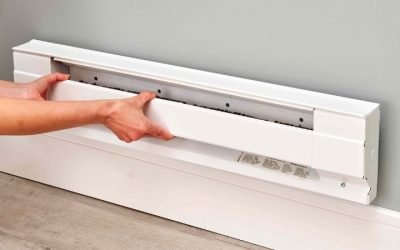
Not one of these six low-voltage thermostat models when the baseboard uses direct 120V or 240V line voltage. Sensi explicitly excludes line-voltage systems, and Honeywell Home X8S has the same prohibition in its installation guide. Electric heat controlled through a compatible low-voltage relay is a different arrangement and must be confirmed by the equipment professional. Never put line-voltage conductors onto low-voltage thermostat terminals; the failure can damage the controller and create an electrical hazard.
Does ENERGY STAR Guarantee the Same Savings for Everyone?
No. ENERGY STAR’s connected-thermostat program uses real-world field savings data to certify eligible models, but the result is not a fixed savings guarantee for a particular home. Your actual outcome depends on the old schedule, local weather, occupancy, equipment, utility rates and whether the family overrides automation. A house with an already disciplined schedule may have little additional opportunity. Heat-pump households should ensure setback settings and auxiliary heat staging are configured properly before estimating any heating-cost reduction.
Final Thoughts
Before purchasing, open the existing thermostat’s cover with equipment power switched off, photograph the labeled terminals and compare them with the exact maker compatibility checker rather than trusting a generic works-with-most-systems claim. For a supported 24VAC setup where an included room sensor and accessory flexibility justify the premium, ecobee Smart Thermostat Premium remains our best overall recommendation. If the terminal checker rejects it, choose a compatible alternative or consult a qualified HVAC installer instead of trying to force the wiring. Check the exact bundle’s current retailer price and any utility rebate before ordering.