how much electricity does a space heater use: “Watts” are power, not energy consumed over time. Infrared and ceramic plug-in resistance heaters with the same actual watts and runtime use roughly the same electrical energy; thermostat cycling changes runtime.
Quick Answer: A 1,500 W electric space heater uses 1.5 kWh per hour while heating at full rated input. Using the US EIA July 2026 national residential average of 18.31¢/kWh, that works out to about $0.27 per hour or $65.92 for 8 full-load hours daily over 30 days.
As an Amazon Associate we earn from qualifying purchases.
By DIY Ideas 4 Home Editorial Team
Heater electricity use by the Numbers
The examples use stated electrical input and the EIA July 2026 residential reference rate. Your own run hours and utility rate determine the actual cost.

| Heater at full power | kWh per hour | 8-hour energy | Cost at July 2026 EIA 18.31¢/kWh |
|---|---|---|---|
| 500 W | 0.50 kWh | 4 kWh | $0.73 |
| 750 W | 0.75 kWh | 6 kWh | $1.10 |
| 1000 W | 1.00 kWh | 8 kWh | $1.46 |
| 1500 W | 1.50 kWh | 12 kWh | $2.20 |
Power used by a 1,500-watt space heater
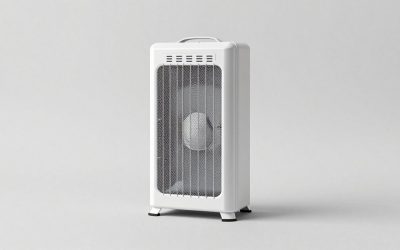
Lasko CC18310 product specifications state 1500 W at 120 V; voltage is not runtime energy.
The electricity meter counts energy over time, not just the wattage printed on a heater. A 1,500-watt setting represents 1.5 kilowatts while the heating element draws its rated power, so one full hour at that draw uses about 1.5 kilowatt-hours. Eight hours of uninterrupted heating at the same draw would be about 12 kWh. Real daily use can be lower when a thermostat switches the element off for part of the period. To estimate your own bill, multiply the kWh by the electricity price shown on your utility statement rather than assuming one national rate applies to every home or billing plan.
Formula: watts divided by 1,000 times heating hours
DOE’s technical guide describes conversion of electric energy to heat by resistance; heat pumps transfer rather than generate heat.
A lower power setting changes the energy calculation because it changes the input while the heating element is active. At 750 watts, one full hour at rated draw corresponds to about 0.75 kWh. However, the heater might need more operating hours to maintain the same room temperature, especially in a drafty room. That is why a 750-watt label alone does not guarantee the entire heating bill will be half as large. When comparing settings, note both the selected wattage and the approximate amount of time the heater is actually providing heat. A simple daily-use log can be more realistic than multiplying the maximum nameplate wattage by 24 hours every day.
July 2026 EIA electricity rate
18.31 cents/kWh nationwide, July 2026; EIA release September 24, 2026, next scheduled October 23.
If you use a time-of-use tariff, the moment the electricity is consumed can affect the cost even when kWh consumption is unchanged. Check whether your bill lists different energy prices by time period, seasonal adjustment, or other charges. For a defensible estimate, calculate the heater’s energy charge separately from taxes and fixed account fees, which may not rise in the same proportion. The EIA average used in a published example is only a reference point for illustration, not your home’s current tariff. If you want to compare two rooms, use the same wattage, hours, and rate assumptions so the arithmetic remains transparent.
How to Interpret the Evidence
Resistance heating converts electrical input to heat in the room; watts and active runtime determine its electrical energy.
A heat pump can provide more heat per unit electricity by moving heat rather than using an electric resistance element.
Adjust for Your Situation
Begin with observable conditions and proceed only through permitted user controls. A safety alarm, damaged part, live connection or inaccessible component ends the do-it-yourself path.
Step 1: read actual nameplate wattage
Find the input wattage for the exact heater and selected power mode in its label or manual. Distinguish a 1,500 W high mode from a model-specific lower mode.
Do not assume all ceramic or infrared heaters have equal wattage.
Make the estimate useful by testing a realistic scenario rather than looking only at a worst-case number. Suppose the heater operates for two hours while you use a home office, rather than for the entire evening: calculate two hours at the selected wattage and then repeat for your typical number of days per week. If an internal thermostat cycles during those hours, treat the full-power calculation as an upper-style estimate for that schedule, not a measured result. A plug-in energy monitor may help where the heater manual and monitor rating expressly allow it, but an ordinary power strip or unsuitable monitor should never be used to connect a high-load heater.
Step 2: compute energy for actual use
Multiply kilowatts by hours the heating element is operating at that input. A 1,500 W heater at full power for 8 hours uses 12 kWh.
A cycling thermostat makes actual equivalent full-load hours lower than total elapsed hours.
Cost and safety are two separate questions. A space heater can be useful for occupied-room comfort, but keeping its heating element running in an empty room is not an energy strategy. Do not use a smaller wattage choice to justify leaving the heater unattended or near combustible material. Compare the room’s heat loss, the central system’s controls, and how many rooms actually need conditioning before declaring one heating approach cheaper. Two homes with identical heaters can have different bills because their insulation, weather, thermostat behavior, electricity tariffs, and hours of use differ. Record your assumptions clearly so readers can revise the math with their own numbers.
Step 3: apply the right electricity rate
Multiply calculated kWh by the per-kWh rate on your utility tariff. At the EIA July 2026 U.S. residential average of 18.31 cents/kWh, 12 kWh costs about $2.20.
The national average is only an example, not a quote for your address.
DOE says heat pumps can reduce electricity for heat versus electric resistance; do not apply efficiency comparison to two same-wattage resistance heaters.
If a heater has several heat modes, base your calculation on the mode actually selected, not on a marketing phrase like ‘energy saver.’ The display may show a target temperature while the electrical element cycles between on and off. To make a budget decision, state whether your example assumes uninterrupted rated draw or a realistic duty cycle. Without reliable measured runtime, it is more accurate to present a range of plausible scenarios than one precise monthly bill.
Step 4: check operating safety
Position the plug-in heater away from combustible materials and connect it directly to a suitable wall outlet. Check for normal operation without hot plugs or tripped protection.
Do not use an extension cord or power strip for a portable space heater.
CPSC 2026: 3-ft separation, direct wall connection, no sleep-time heater operation.
Products That Help
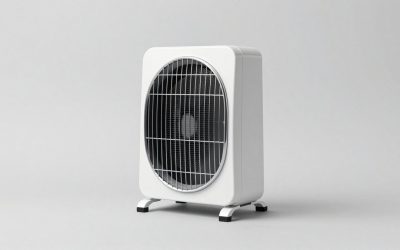
Useful supplies for the specific checks above can include Lasko CC18310 1500 W heater and Vornado VH10 portable heater. Confirm the exact size, device compatibility and applicable maintenance instructions first. Equipment and tools do not remove the need to stop for a safety fault.
Frequently Asked Questions
The answers below separate normal operation, owner-accessible checks and conditions that require manufacturer support or professional service.
How many kWh does a 1500-watt heater use in 8 hours?
At 1,500 W full input, eight operating hours use 12 kWh. This describes eight full-load hours, not time spent switched on while the thermostat cycles.
How much does it cost to run a 750-watt heater all day?
At 750 W continuously for 24 hours, energy use is 18 kWh. At the EIA July 2026 national residential average of $0.1831 per kWh, that illustrative cost is about $3.30.
Is running a space heater cheaper than central heating?
It depends on the area heated and which central system is being replaced or supplemented. DOE notes that heat pumps can use less electricity for heat than resistance heaters.
Does a thermostat reduce the wattage or the runtime?
Usually the thermostat changes active heating time rather than a heater’s rated high-mode wattage. Estimate cost from equivalent full-power run hours, not the clock alone.
Final Thoughts
Find the input wattage for the exact heater and selected power mode in its label or manual. Do not use an extension cord or power strip for a portable space heater.
More from Amazon
Programs that pair well with the guide above. Offers and eligibility are set by Amazon and may change.
A free business account with business pricing and bulk-buying tools for work, shop or home office.
Create a business accountFree shipping on eligible items, Prime Video and more. Eligible new members can start with a free trial.
Start a Prime free trialAudiobooks and podcasts to listen to on the go. Eligible new members can start with a free trial.
Try Audible freeAd-free music streaming. Eligible new subscribers can start with a free trial.
Try Music Unlimited freeAs an Amazon Associate we earn from qualifying purchases.