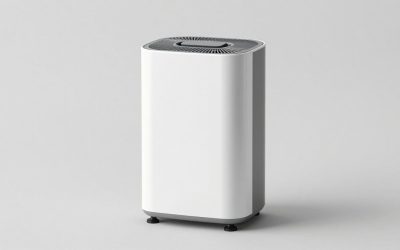
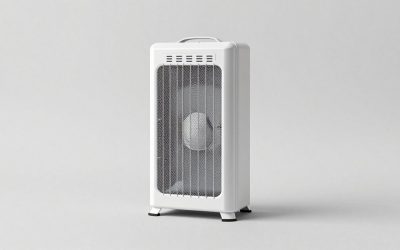
humidifier vs dehumidifier: A dehumidifier cannot remedy dry air; a humidifier cannot correct dampness. Humidity issues can also require ventilation and leak repair rather than either product.
Quick Answer: A humidifier ADDS moisture to air that is too dry; a dehumidifier REMOVES moisture from damp air. Check RH using a hygrometer before deciding. EPA generally prefers 30-50% indoor RH; in colder winter conditions, ENERGY STAR notes 30-40% may help prevent window condensation. Fix water leaks and ventilation issues first when moisture is persistent, rather than relying on a dehumidifier alone.
As an Amazon Associate we earn from qualifying purchases.
By DIY Ideas 4 Home Editorial Team
Humidifier vs Dehumidifier: Key Differences
The two devices solve opposite moisture problems. Compare them against measured humidity and the problem causing it rather than against product marketing.

| Factor | Humidifier | Dehumidifier | Best next action |
|---|---|---|---|
| Moisture direction | Adds water vapor to air | Removes water vapor from air | Measure %RH before choosing |
| Best scenario | Confirmed dryness without damp windows | Excess humidity or condensation after leak repairs | Fix source problems first |
| Measurement | Hygrometer guides humidity output | Hygrometer guides extraction setpoint | Recheck RH after operation |
| Important limitation | EPA advises avoiding humidification above 50% RH | Cannot stop foundation leaks or remove existing mold | Escalate water damage or ongoing condensation |
Quick answer based on measured relative humidity
The U.S. EPA advises that keep indoor RH below 60%, ideally 30-50% where practical.
The clearest difference between the appliances is the direction of moisture change. A humidifier adds moisture to dry indoor air, while a dehumidifier removes it from air that contains more water vapor than is desirable for the conditions. Neither device decides automatically whether a home has a leak, an exhaust problem, or a cold window surface. That is why the first shopping question should be replaced by a measurement question: what relative humidity does a properly positioned hygrometer show in the room of concern? A dry-feeling bedroom and a damp basement can legitimately need different responses on the same day.
What to do with persistent condensation or a damp smell
DOE home ventilation guide: use humidifier in winter only with enough airflow to prevent moisture issues; dehumidifier removes moisture with energy use; fans should vent outdoors.
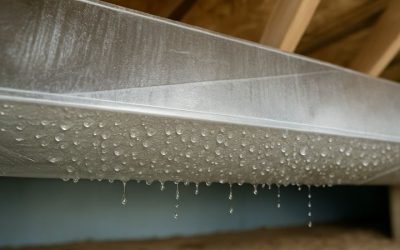
Symptoms alone are an unreliable substitute for measurements. Dry skin can have several causes, and window droplets can form on unusually cold glass even when the house does not have extraordinarily high overall humidity. Record the room reading with its approximate temperature and check whether the problem coincides with cooking, showers, outdoor weather, or heating use. In a basement with a damp smell, look for plumbing leaks or water entry first; a dehumidifier may control air moisture but cannot stop rainwater entering through a wall. In a winter bedroom, adding mist without observing window condensation may simply create a different moisture problem.
Moisture direction: add vs remove
Honeywell identifies evaporative wick/fan, ultrasonic aerosol, and warm mist boiling as separate ways to add moisture.
Humidifiers also differ in how they deliver added water. An evaporative model often releases invisible vapor, an ultrasonic model may create visible mist, and a warm-mist design adds heat-related handling concerns. The choice affects cleaning, mineral-dust behavior, noise, and what you can observe from outside the unit, but the objective remains a suitable measured room humidity. Dehumidifiers likewise require attention to water collection, drainage, ambient temperature, and filter care. Avoid comparing the two solely by tank size or claimed coverage because they solve opposite conditions and use different performance measures.
How to Interpret the Evidence
Humidification increases water vapor by aerosol evaporation, wick evaporation or steam production; humidity setting should be based on room RH.
Refrigerant dehumidifiers cool damp air to condense water and reheat/discharge drier air; latent heat and compressor energy can make surrounding air warmer.
Which One to Choose by Situation
Begin with observable conditions and proceed only through permitted user controls. A safety alarm, damaged part, live connection or inaccessible component ends the do-it-yourself path.
Step 1: measure room humidity first
Place a hygrometer in normal room air away from direct moisture or heat. Record current RH rather than diagnosing from skin dryness or a damp feeling alone.
A reading near the desired range may require neither machine.
ENERGY STAR warns room near dehumidifier can feel warmer; moisture extraction has some heat output.
A practical decision sequence is to measure first, identify the moisture source second, and then choose an appliance only if it addresses the remaining need. In a damp laundry room, restore proper exhaust and repair any leaks before relying on continuous dehumidifier operation. In a very dry room, limit the humidifier target to conditions that do not create wet windows or surfaces. Check again after routine use and note whether the problem improves. If RH looks acceptable but discomfort persists, consider other sources such as drafts, surface temperature, or airborne irritants instead of running both machines against each other.
Step 2: choose by direction of moisture change
Use a humidifier only when the air is genuinely too dry; use a dehumidifier when the air is too damp. Review the RH response after routine operation.
A humidifier cannot remove basement dampness; a dehumidifier cannot treat dry air.
EPA use-and-care asks users not to run humidifier above 50% RH and to reduce use if condensation or dampness appears.
Room-by-room decisions are often better than a single whole-house setting. A below-grade space may be humid while an upper-floor room becomes dry during heating season; readings can differ because conditions and moisture sources differ. Place the sensor away from a humidifier mist plume or dehumidifier exhaust so it represents occupied air. Keep doors and ordinary ventilation patterns consistent during comparison. If running a dehumidifier causes unexpected heat or noise, remember that it uses energy and can add warmth to the room; this does not make it an efficient replacement for heating or a cure for structural water damage.
Step 3: check the underlying moisture source
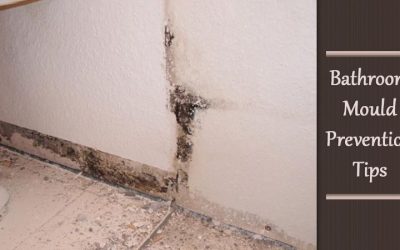
Inspect window condensation, plumbing leaks and kitchen/bathroom exhaust. Dry or repair the source when moisture persists despite appliance use.
Do not rely on a dehumidifier for water intrusion or mold cleanup.
ENERGY STAR says during colder heating season humidity should be about 30-40% RH to prevent window condensation.
Before choosing either appliance for a child’s room or a bedroom, consider how it will be cleaned, where its power connection and water tank will sit, and whether its output blows toward bedding or walls. Excessively wet fabric and damp finishes are signs to adjust the moisture plan, not reasons to run a more powerful unit. Keep product-selection details subordinate to the actual measured air condition and the source of any persistent moisture.
Step 4: adjust for season and windows
Start from EPA general RH context and ENERGY STAR winter condensation cautions. Reduce humidification if window or wall surfaces become wet.
Do not run a humidifier above the EPA 50% advice.
EPA identifies hygrometers as a way to measure RH; AcuRite 00613 is a model example with ±3 percentage points at 20-80% RH.
Products That Help
Useful supplies for the specific checks above can include Honeywell HUL520 humidifier, Midea MAD35C1AWS dehumidifier and AcuRite 00613 hygrometer. Confirm the exact size, device compatibility and applicable maintenance instructions first. Equipment and tools do not remove the need to stop for a safety fault.
Frequently Asked Questions
The answers below separate normal operation, owner-accessible checks and conditions that require manufacturer support or professional service.
Can I use a humidifier and dehumidifier in the same home?
Yes, different rooms can have opposite humidity needs, but first measure each room and address any leak or ventilation problem. Running both against one another in one space wastes effort.
Should I run a humidifier in winter?
Only when measured RH is genuinely low and windows remain dry. In colder climates, ENERGY STAR commonly suggests about 30-40% RH as a starting point.
Will a dehumidifier warm or cool my room?
A refrigerant dehumidifier can add heat to the room as it runs, while a humidifier adds moisture. Neither product repairs water intrusion or controls all comfort factors.
What indoor humidity percentage means I need one?
The EPA generally identifies 30-50% RH as a preferred indoor range, with a below-60% moisture guideline. The appropriate intervention depends on the measured reading and condensation.
Final Thoughts
Place a hygrometer in normal room air away from direct moisture or heat. Do not run a humidifier above the EPA 50% advice.
More from Amazon
Programs that pair well with the guide above. Offers and eligibility are set by Amazon and may change.
A free business account with business pricing and bulk-buying tools for work, shop or home office.
Create a business accountFree shipping on eligible items, Prime Video and more. Eligible new members can start with a free trial.
Start a Prime free trialAudiobooks and podcasts to listen to on the go. Eligible new members can start with a free trial.
Try Audible freeAd-free music streaming. Eligible new subscribers can start with a free trial.
Try Music Unlimited freeAs an Amazon Associate we earn from qualifying purchases.