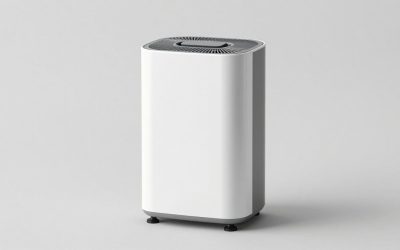
why does my basement smell musty: Musty odor is a warning sign of moisture and possible mold, not proof of one specific mold species or toxin. A dehumidifier may lower RH but cannot correct groundwater intrusion or remove already moldy porous drywall.
Quick Answer: A musty basement usually points to excess moisture that allows mold or mildew to grow; often from water seeping through foundation walls/floors, a plumbing leak, condensation on cool surfaces, or wet carpet, boxes and framing. Check for actual damp areas and odors behind stored items, fix the water source first, then dry and clean affected materials. If mold is extensive, hidden, sewage-related, or keeps recurring, consult an experienced professional.
If contamination involves sewage, extensive flooding or large mold growth, arrange professional evaluation. A dehumidifier alone cannot repair the source of water.
As an Amazon Associate we earn from qualifying purchases.
By DIY Ideas 4 Home Editorial Team
Why This Happens: Causes and Warning Signs
Each line below ties a real-world decision to a visible outcome and an explicit limit. Start with the first check that fits the symptom rather than treating the whole list as required repairs.
| Decision point | Owner action | Result to check | Stop or exception |
|---|---|---|---|
| Search for the water source | Inspect plumbing, foundation seepage, wet boxes, carpet, gutter overflow and areas behind stored materials. | Mark damp spots and note any link with rain or laundry use. | A musty odor alone does not identify a specific mold species. |
| Dry and repair the cause | Fix active leaks, route roof/gutter water away and dry recently wet materials promptly. | EPA recommends drying wet items within 24-48 hours where possible. | Do not paint over wet mold or assume a dehumidifier fixes structural seepage. |
| Monitor basement humidity | Use a hygrometer and appropriately managed moisture removal after water intrusion has been addressed. | EPA generally advises RH below 60%, ideally 30-50% where feasible. | Do not ventilate with humid outdoor air when it increases basement condensation. |
| Recognize cleanup boundaries | Inspect the size and kind of visibly moldy material before cleaning. | Small areas below roughly 10 square feet may be manageable under EPA conditions. | Large areas, sewage contamination, major flooding or HVAC contamination warrant professional help. |
A musty smell is a moisture clue, not a species test
EPA Mold Course Chapter 3: musty odors suggest possible mold and warrant checking past leaks and hidden dampness.
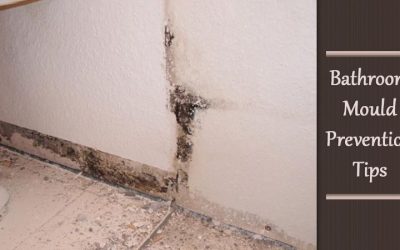
A musty basement odor is a clue that moisture may be present, not a laboratory identification of a particular mold or a guarantee that the basement contains ‘toxic black mold.’ Start by noting where and when the smell is strongest. Does it follow heavy rain, laundry use, a plumbing leak, or humid summer weather? Is it strongest beside a wall, floor drain, storage box, or carpet? Mapping those clues helps distinguish rainwater entry, plumbing problems, surface condensation, and damp stored materials before choosing a dehumidifier or sealant. Avoid covering the odor with fragrance, since that does nothing to identify the water pathway.
Rainwater seepage through basement walls or floors
The U.S. EPA explains that seepage can occur through basement floors and foundations; leaking pipes and inadequate grading/gutters contribute.
After rain, check accessible perimeter areas for staining, puddles, efflorescence, and wet materials without entering standing water near electrical equipment. Look at exterior grading and obvious downspout discharge only from a safe location; do not begin invasive wall demolition based on odor alone. If water appears at a wall-floor joint repeatedly, record the weather pattern and seek appropriate building or drainage assessment. A dehumidifier can lower air moisture after the source is controlled, but it cannot stop ongoing infiltration through a damaged foundation or misdirected exterior water.
Leaky plumbing, laundry and wet stored items
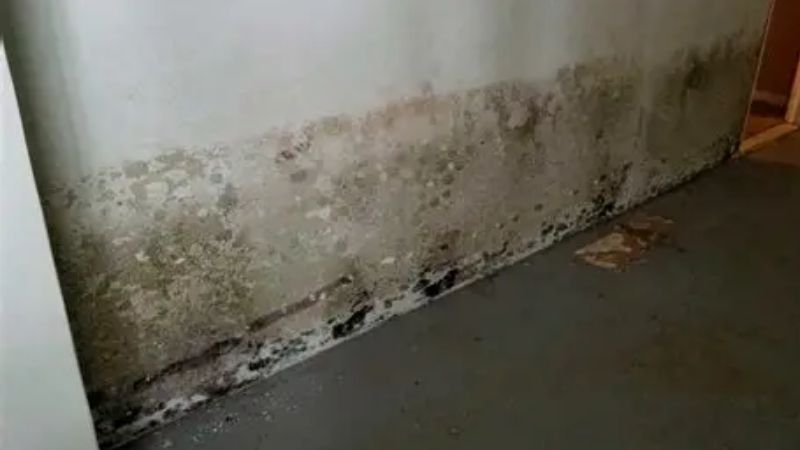
The U.S. EPA explains that hidden mold often behind drywall, wallcoverings, ceiling tiles, carpeting/padding, crawlspaces and damp ductwork.
Plumbing and laundry areas deserve a separate pass. Check for a visible drip under a sink, around washing-machine hoses, or near a water heater, and inspect stored cardboard, fabric, and carpet edges for persistent dampness. Do not handle potentially energized equipment or investigate sewage-contaminated water yourself. Wet materials may continue to smell after the room’s air dries because the material itself remains damp. Remove or address affected items using suitable cleanup guidance and deal with the leak first. Keeping the basement air below a selected humidity reading will not restore a saturated wall cavity or wet insulation.
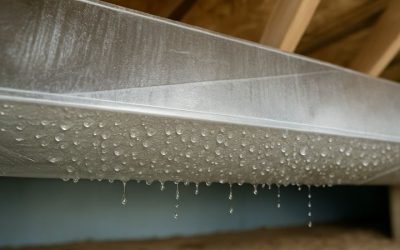
Cold-wall condensation from humid incoming air
EPA explains cold surfaces cause condensation; reduce indoor moisture and insulate cold surfaces where appropriate.
Where hidden mold may accumulate
The U.S. EPA explains that poorly planned opening of walls can release spores and should be assessed by an experienced professional where needed.
How to Interpret the Evidence
Musty smell supports a water/mold investigation, not species identification or medical diagnosis.
Fix bulk-water source and dry structure first; dehumidification complements this and cannot replace it.
Mold cleanup extent and source contamination determine DIY eligibility.
How to Check the Problem Safely
Begin with observable conditions and proceed only through permitted user controls. A safety alarm, damaged part, live connection or inaccessible component ends the do-it-yourself path.
Step 1: search for the water source
Inspect plumbing, foundation seepage, wet boxes, carpet, gutter overflow and areas behind stored materials. Mark damp spots and note any link with rain or laundry use.
A musty odor alone does not identify a specific mold species.
EPA mold guide: clean gutters and slope ground away from foundation to reduce water entry.
Condensation can make a basement smell damp even without a dramatic rain event. Humid air contacting a cool foundation wall, pipe, or floor may leave moisture on the surface. Compare room RH with visible damp spots and the timing of warm humid weather. Make sure the dehumidifier is appropriate for the room temperature and that its drainage is reliable. Do not block required vents or seal a wall that still has active water intrusion. If the odor comes back whenever the dehumidifier is off, treat that as a reason to revisit the moisture source rather than simply selecting a lower setpoint.
Step 2: dry and repair the cause
Fix active leaks, route roof/gutter water away and dry recently wet materials promptly. EPA recommends drying wet items within 24-48 hours where possible.
Do not paint over wet mold or assume a dehumidifier fixes structural seepage.
EPA recommends drying wet areas/items within 24-48 h where possible to reduce mold growth after water damage.
Mold cleanup decisions should be proportionate to the area, water source, and household risk. EPA guidance distinguishes some limited accessible surface problems from larger, hidden, or sewage-related damage that warrants professional evaluation. Photograph the affected area and document recurring wetness without scraping, sanding, or opening suspect building materials indiscriminately. If occupants have symptoms or vulnerability, obtain appropriate professional advice. A successful response leaves the water source controlled, affected materials properly handled, and the room staying dry through ordinary weather; temporarily suppressing the smell is not the same outcome.
Step 3: monitor basement humidity
Use a hygrometer and appropriately managed moisture removal after water intrusion has been addressed. EPA generally advises RH below 60%, ideally 30-50% where feasible.
Do not ventilate with humid outdoor air when it increases basement condensation.
EPA remodeling guide describes subgrade walls/floors, drainage, vapor diffusion and condensation as interacting pathways; not all needs are solved by indoor wall coating.
Step 4: recognize cleanup boundaries
Inspect the size and kind of visibly moldy material before cleaning. Small areas below roughly 10 square feet may be manageable under EPA conditions.
Large areas, sewage contamination, major flooding or HVAC contamination warrant professional help.
Products That Help
Useful supplies for the specific checks above can include hygrometer, building moisture meter and properly rated dehumidifier. Confirm the exact size, device compatibility and applicable maintenance instructions first. Equipment and tools do not remove the need to stop for a safety fault.
When to Call a Pro
Give the service provider the model number, the symptoms in time order, your observed operating conditions and any displayed fault code. Do not open sealed electrical, refrigerant or combustion components to collect this information.
Frequently Asked Questions
The answers below separate normal operation, owner-accessible checks and conditions that require manufacturer support or professional service.
Can a dehumidifier eliminate basement musty smells by itsel
Not by itself. A dehumidifier can reduce room RH but will not repair foundation seepage, plumbing leaks or mold already present in wet porous materials.
Does a musty smell always mean toxic black mold?
No. A musty odor is evidence of a moisture issue worth investigating, not a laboratory diagnosis of a particular mold species or toxin.
What if the basement smells musty but I see no mold?
Hidden wet materials behind drywall, stored boxes, carpet or ducts can produce odor. Investigate past leaks and moisture patterns safely.
Is it safe to paint or seal over moldy basement walls?
No. The EPA advises removing mold and fixing its moisture source. Painting or sealing over damp growth can leave the problem active.
Final Thoughts
Inspect plumbing, foundation seepage, wet boxes, carpet, gutter overflow and areas behind stored materials. Large areas, sewage contamination, major flooding or HVAC contamination warrant professional help.
More from Amazon
Programs that pair well with the guide above. Offers and eligibility are set by Amazon and may change.
A free business account with business pricing and bulk-buying tools for work, shop or home office.
Create a business accountFree shipping on eligible items, Prime Video and more. Eligible new members can start with a free trial.
Start a Prime free trialAudiobooks and podcasts to listen to on the go. Eligible new members can start with a free trial.
Try Audible freeAd-free music streaming. Eligible new subscribers can start with a free trial.
Try Music Unlimited freeAs an Amazon Associate we earn from qualifying purchases.