why does my air purifier smell: A filter that captures particles is not automatically a gas/odor filter. “Ozone smell” alone cannot measure ozone exposure; devices deliberately producing ozone should not be used in occupied homes.
Quick Answer: A new air purifier or filter may have a temporary material/packaging odor; an older filter can smell when loaded with particles or odors, and a musty smell can signal damp conditions. Locate the source and follow the filter’s manual. If the device smells like burning plastic or emits a sharp chemical odor, turn it off, unplug when safe, and contact support. Do not run ozone generators to “fix” odors.
Stop and unplug the purifier if safe when you notice an electrical-burning odor. EPA and CARB discourage intentional ozone generators in occupied spaces.
As an Amazon Associate we earn from qualifying purchases.
By DIY Ideas 4 Home Editorial Team
Why This Happens: Causes and Warning Signs
Each line below ties a real-world decision to a visible outcome and an explicit limit. Start with the first check that fits the symptom rather than treating the whole list as required repairs.
| Decision point | Owner action | Result to check | Stop or exception |
|---|---|---|---|
| Identify the odor type and source | Distinguish a mild new-filter material smell from stale, musty or burning-electrical odors. | See whether the smell follows a new filter, cooking event or damp surroundings. | A burning smell calls for immediate stop-use if safe. |
| Remove pollution or dampness sources | Address smoke, cooking odor, leaks or wet stored materials rather than relying only on the purifier. | Check whether indoor air improves after source control and appropriate ventilation. | Do not run an ozone generator in an occupied residence. |
| Inspect permitted filter components | Unplug before checking cartridge seating, loading and approved prefilter maintenance. | Replace a saturated nonwashable filter when the maker recommends it. | Never perfume or chemically soak filter media without approval. |
| Ask support about continuing odors | Contact the maker for persistent chemical, overheating or unexplained smells. | Describe model, cartridge age and odor source. | CARB certification or particle CADR does not prove odor removal or eliminate all exposure risks. |
New filter or new appliance packaging/material odor
Blueair acknowledges occasional new-filter material/packaging odor and recommends airing out with ventilation and ordinary device use when no alarming smell present.
The first question is whether the odor comes from air moving through the purifier or from the purifier itself. A new unit may carry a temporary materials or packaging smell, while a used filter may hold smoke, cooking odors, or stale household contaminants. A damp filter or water-damaged machine calls for a different response, and a sharp hot-electrical odor is a stop-use warning. Note when the smell begins, which fan speed is selected, and whether it disappears when the device is off. Do not mask an unexplained smell by adding perfume or essential oil to a filter unless that exact use is expressly approved.
Stale or smoky odor after heavy usage
Blueair explains that filter full/saturated after strong odors may release a smell; recommends replacement if source is worn-out filter.
Odor-removal and particle-removal are not the same task. HEPA media primarily address particles; activated-carbon components can adsorb some gases and odors under appropriate conditions, but performance depends on the particular carbon system and the contaminant. A machine may continue moving air while its odor-control layer no longer seems effective. Before replacing cartridges repeatedly, identify persistent cooking emissions, stored chemicals, a damp basement, or a nearby smoke source. Removing or controlling the source is usually more useful than asking one small purifier to absorb a constant supply of fumes.
Musty odor after water exposure or damp surroundings
EPA Guide: particle filters do not automatically remove gases/odors; meaningful gas adsorption may require a substantial activated-carbon filter.
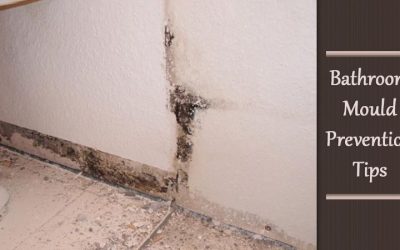
A musty smell deserves attention to moisture, not a quick fragrance fix. Check for recent spills, high room humidity, condensation, water entry, or an appliance that was stored damp. Unplug the unit and inspect only accessible parts authorized by the manual. Replace water-damaged disposable media rather than trying to disinfect an electrical purifier with sprays or soaking. If there is visible mold growth or extensive water damage in the room, follow appropriate moisture-remediation guidance. The purifier may help manage certain airborne particles, but it will not dry hidden framing or repair a leaking pipe.
Sharp chemical or electrical burning odor: stop use
U.S. EPA says intentional ozone generators should NOT be used in occupied indoor spaces; their odor-removal effectiveness at allowable concentrations is poor.
Loaded activated carbon no longer handling odors well
Contact the maker for persistent chemical, overheating or unexplained smells.
How to Interpret the Evidence
Particle HEPA removes particles; substantial activated carbon may adsorb some gases but no uniform gas CADR.
A new-filter odor and a burning electrical odor demand different responses.
Ozone generators are not a safe household odor-control method; CARB certification concerns ozone limits/safety, not verified odor-removal efficacy.
How to Check the Problem Safely
Begin with observable conditions and proceed only through permitted user controls. A safety alarm, damaged part, live connection or inaccessible component ends the do-it-yourself path.
Step 1: identify the odor type and source
Distinguish a mild new-filter material smell from stale, musty or burning-electrical odors. See whether the smell follows a new filter, cooking event or damp surroundings.
A burning smell calls for immediate stop-use if safe.
Coway AP-1512HH manual: bad smell from air outlet may signal overdue filter cleaning/replacement; consult cycles.
For a suspected ordinary filter odor, compare the device’s service record with its current use. Was the carbon or particle cartridge installed correctly, and has a manufacturer reminder appeared? Does the smell occur after particular household activities, such as cooking or running a fireplace? These details help determine whether maintenance is due or whether the purifier is simply drawing in strong odors already present. Do not run an ozone-producing feature to ‘sterilize’ a smell without checking the device and public-health guidance; ozone is itself a respiratory irritant and should not be treated as evidence that purification is working.
Step 2: remove pollution or dampness sources
Address smoke, cooking odor, leaks or wet stored materials rather than relying only on the purifier. Check whether indoor air improves after source control and appropriate ventilation.
Do not run an ozone generator in an occupied residence.
Stop immediately for a smell resembling melting plastic, hot wiring, or electrical burning, especially if accompanied by smoke, clicking, an overheated plug, or a warning light. Disconnect power only if safe, and do not restart just to see whether the odor disappears. Record the model and symptoms for manufacturer support or qualified repair. A household cleaning procedure cannot certify a damaged electrical board as safe. Normal use should resume only after the cause has been addressed through approved maintenance or professional assessment, not after spraying a scent into the room.
Step 3: inspect permitted filter components
Unplug before checking cartridge seating, loading and approved prefilter maintenance. Replace a saturated nonwashable filter when the maker recommends it.
Never perfume or chemically soak filter media without approval.
Step 4: ask support about continuing odors
Contact the maker for persistent chemical, overheating or unexplained smells. Describe model, cartridge age and odor source.
CARB certification or particle CADR does not prove odor removal or eliminate all exposure risks.
Products That Help
Useful supplies for the specific checks above can include Blueair replacement filter for exact model and Coway AP-1512HH replacement filter. Confirm the exact size, device compatibility and applicable maintenance instructions first. Equipment and tools do not remove the need to stop for a safety fault.
When to Call a Pro
Give the service provider the model number, the symptoms in time order, your observed operating conditions and any displayed fault code. Do not open sealed electrical, refrigerant or combustion components to collect this information.
Frequently Asked Questions
The answers below separate normal operation, owner-accessible checks and conditions that require manufacturer support or professional service.
Is a new air purifier supposed to smell?
A mild packaging or new-filter material odor may be temporary, as Blueair notes. A sharp chemical or burning odor is different and warrants stopping the unit.
Why does my HEPA filter smell like smoke?
A saturated or smoke-loaded filter can retain and release odors. Remove the underlying smoke source and replace media if the manufacturer indicates it is exhausted.
Will activated carbon remove every smell?
No. Activated carbon may reduce certain gases and odors, but effectiveness varies by media amount and substance. Particle CADR does not measure odor removal.
Is a sharp ozone-like smell a sign the purifier is working?
No. The EPA warns against intentional ozone generators in occupied spaces, and CARB also advises against them. Odor is not evidence of safe air cleaning.
Final Thoughts
Distinguish a mild new-filter material smell from stale, musty or burning-electrical odors. CARB certification or particle CADR does not prove odor removal or eliminate all exposure risks.