how to improve indoor air quality: A portable HEPA air purifier does not remove all household pollutants. A PM2.5 monitor is not a radon test or a certified CO alarm; outdoor air should only be introduced when it is safe and cleaner for the target pollutant.
Quick Answer: Improve indoor air quality by removing or reducing pollution sources first, bringing in cleaner outdoor air when appropriate, and using the right filtration as a supplement. Fix moisture and fuel-burning appliance problems, keep CO alarms, test for radon, use kitchen and bath exhaust fans, and choose a particle cleaner/HVAC filter suitable for the space; no one sensor or filter covers all pollutants.
For gas odor or a CO alarm, leave immediately. Filtration, PM sensors and radon testing each address different hazards; none replaces an emergency safety response.
As an Amazon Associate we earn from qualifying purchases.
By DIY Ideas 4 Home Editorial Team
Before You Start: Tools, Materials and Safety
Work only with the surfaces, materials and controls that the exact manual identifies as owner-accessible. Check the expected result at each stage before proceeding.
| Decision point | Owner action | Result to check | Stop or exception |
|---|---|---|---|
| Triage immediate hazards separately | Check for smoke, gas or carbon-monoxide alarm alerts before focusing on ordinary dust. | Move to safety for an alarm or suspected gas leak. | A PM2.5 monitor cannot replace certified CO or smoke alarms. |
| Eliminate pollution at its source | Address indoor smoke, chemical emissions, moisture leaks and malfunctioning fuel equipment. | Document whether the offending source has stopped. | Do not attempt live combustion repair or DIY radon mitigation. |
| Use appropriate ventilation | Operate outdoor-vented kitchen and bath exhaust and bring in outdoor air when outside conditions are suitable. | Check that vents truly discharge outdoors. | Do not open windows during wildfire smoke or a worse outdoor pollution event. |
| Supplement with the correct filter or test | Use a suitably sized particle cleaner for airborne particles and a separate radon test for radon risk. | Interpret each reading for its actual target pollutant. | Filtration cannot replace water repair, CO alarms or dedicated radon evaluation. |
Immediate CO, smoke and gas hazards
The U.S. EPA explains that a low-cost PM monitor is not a life-safety CO or smoke alarm; certified CO alarms provide dedicated alerts.
Indoor air quality is not a single number because different pollutants require different controls. Smoke particles, cooking gases, carbon monoxide, radon, cleaning-product vapors, and moisture-related growth do not all respond to one filter or one sensor. Start with immediate safety hazards: if a CO alarm sounds or there is suspected fuel leakage, follow emergency guidance before attempting ordinary air-cleaning steps. For nonemergency concerns, identify a plausible source and ask how to reduce or remove it. An air purifier may supplement that work, but a particle-cleaning claim is not evidence that the appliance detects or eliminates every gas in a home.
Identify combustion, moisture and particle sources
EPA July 2025 fact sheet: source control, ventilation, filtration/air cleaning are distinct IAQ measures; the fact sheet was updated online June 2026.
Source control is a useful first principle because it prevents pollutants from being added continuously. Avoid indoor smoking, reduce unnecessary fragrances or chemical emissions, and use fuel-burning equipment only as designed and maintained. For renovation materials or cleaning products, follow product labels and appropriate ventilation guidance. If you notice recurring kitchen smoke, improve cooking practices and confirm that the kitchen exhaust actually directs air outdoors. Do not attempt to compensate for an active combustion hazard by placing a portable HEPA purifier nearby. Reducing emissions at the source addresses a different part of the problem from simply moving air through a filter.
Stop indoor smoke and unsafe fuel equipment
Operate outdoor-vented kitchen and bath exhaust and bring in outdoor air when outside conditions are suitable.
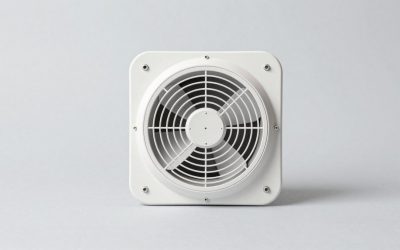
Ventilation can help when the replacement air is appropriate for the pollutant and outdoor conditions. A properly vented bathroom fan can remove moisture where it is generated, while opening a window during heavy outdoor smoke or pollen may increase a different exposure. Evaluate what is happening outdoors before treating ‘more fresh air’ as an unconditional rule. Confirm that kitchen and bathroom fans exhaust as installed rather than dumping air into enclosed spaces. If occupants notice strong odors or headaches associated with fuel equipment, do not use a window-opening experiment to postpone emergency advice and a qualified inspection.
How to Interpret the Evidence
CO and radon are distinct risks requiring certified alarms and radon testing/mitigation respectively.
Cleaning dust, moisture control and HVAC maintenance are separate, complementary actions.
How to Do the Task Step by Step
Begin with observable conditions and proceed only through permitted user controls. A safety alarm, damaged part, live connection or inaccessible component ends the do-it-yourself path.
Step 1: triage immediate hazards separately
Check for smoke, gas or carbon-monoxide alarm alerts before focusing on ordinary dust. Move to safety for an alarm or suspected gas leak.
A PM2.5 monitor cannot replace certified CO or smoke alarms.
EPA recommends CO alarm compliant with current UL 2034 or IAS 6-96 and installed near every separate sleeping area; follow specific instructions.
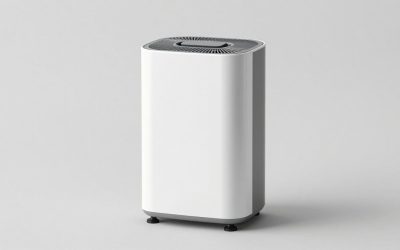
Filtration should be matched to the material you are trying to reduce. Portable particle cleaners serve the room in which they operate, and HVAC filters serve the air that passes through the central system. Check capacity, placement, operating noise, and approved filter compatibility rather than buying on appearance alone. Activated-carbon features may help with some odors and gases under their stated conditions but are not a universal chemical-removal guarantee. A consumer PM monitor likewise cannot stand in for a certified CO alarm or a radon test. Keep those hazard-specific measurements and protections separate.
Step 2: eliminate pollution at its source
Address indoor smoke, chemical emissions, moisture leaks and malfunctioning fuel equipment. Document whether the offending source has stopped.
Do not attempt live combustion repair or DIY radon mitigation.
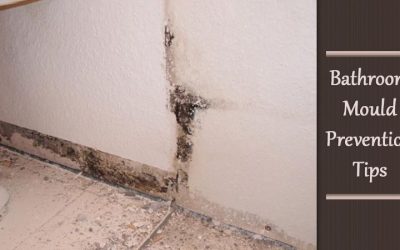
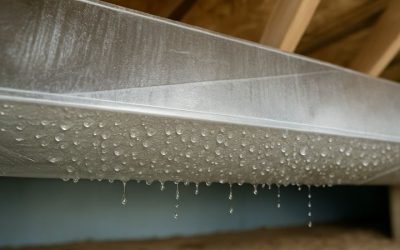
EPA mold guide: address leaks; keep indoor RH below 60% if possible, ideally 30-50% to reduce moisture problems.
Moisture control and radon testing belong in a complete plan even when dust seems to be the main complaint. Fix known leaks, use appropriate exhaust, and check recurring damp areas rather than simply placing a purifier next to visible mold. EPA advice identifies specific actions for radon testing and for larger or complicated mold problems, so do not confuse an ordinary dust-cleaning checklist with remediation of those hazards. Keep records of the suspected source, room conditions, actions taken, and whether the problem returns. A useful improvement plan targets the largest credible cause first and verifies a real-world change before adding more equipment.
Step 3: use appropriate ventilation
Operate outdoor-vented kitchen and bath exhaust and bring in outdoor air when outside conditions are suitable. Check that vents truly discharge outdoors.
Do not open windows during wildfire smoke or a worse outdoor pollution event.
The U.S. EPA explains that use outdoor-vented kitchen/bathroom exhaust; window ventilation is weather-, safety- and outdoor-pollution dependent.
Choose one measurable follow-up for each intervention. After repairing a visible leak, check that the affected surface stays dry. After improving kitchen exhaust, observe whether cooking smoke and odor are reduced without drawing in worse outdoor air. After maintaining a filter, verify normal airflow rather than interpreting a single low-cost sensor as a full air-quality certificate. This habit keeps the plan realistic and prevents purchasing multiple devices before the main source of pollution has been addressed.
Step 4: supplement with the correct filter or test
Use a suitably sized particle cleaner for airborne particles and a separate radon test for radon risk. Interpret each reading for its actual target pollutant.
Filtration cannot replace water repair, CO alarms or dedicated radon evaluation.
The U.S. EPA explains that test every home for radon; mitigate at >=4 pCi/L; consider reducing between 2 and 4 pCi/L. Regional radon maps do not replace measurement.
Products That Help
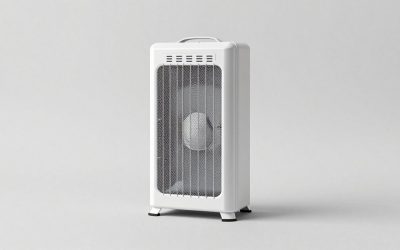
Useful supplies for the specific checks above can include model-compatible particle air cleaner, carbon monoxide alarm and EPA-listed radon test kit. Confirm the exact size, device compatibility and applicable maintenance instructions first. Equipment and tools do not remove the need to stop for a safety fault.
Frequently Asked Questions
The answers below separate normal operation, owner-accessible checks and conditions that require manufacturer support or professional service.
Does a HEPA purifier remove gases?
HEPA focuses on particles, not every gas or odor. The EPA recommends pollutant-specific source control and, when useful, specialized filtration.
Can opening windows make indoor air quality worse?
Yes. During outdoor smoke or pollution events, opening a window can increase indoor pollutant exposure. Ventilate when outdoor air is appropriate.
Do air quality monitors detect carbon monoxide?
Ordinary PM or VOC monitors are not certified life-safety carbon-monoxide alarms. Use dedicated, properly installed CO alarms.
Do I need a radon test if I have an air purifier?
Yes. A particle air purifier is not a radon test or mitigation system. The EPA recommends testing homes and considering mitigation based on measured radon levels.
Final Thoughts
Check for smoke, gas or carbon-monoxide alarm alerts before focusing on ordinary dust. Filtration cannot replace water repair, CO alarms or dedicated radon evaluation.
More from Amazon
Programs that pair well with the guide above. Offers and eligibility are set by Amazon and may change.
A free business account with business pricing and bulk-buying tools for work, shop or home office.
Create a business accountFree shipping on eligible items, Prime Video and more. Eligible new members can start with a free trial.
Start a Prime free trialAudiobooks and podcasts to listen to on the go. Eligible new members can start with a free trial.
Try Audible freeAd-free music streaming. Eligible new subscribers can start with a free trial.
Try Music Unlimited freeAs an Amazon Associate we earn from qualifying purchases.