how to reduce indoor dust: No air purifier removes ALL settled dust. Cleaning surfaces without throwing particles back into the air and reducing new sources come first. A 99.97% HEPA MEDIA rating is not the same as 99.97% dust removal from a room.
Quick Answer: To reduce indoor dust, remove sources such as tracked-in soil, vacuum carpets/upholstery regularly with a well-sealed vacuum and preferably HEPA filtration, wipe hard surfaces with a damp cloth, wash bedding, maintain HVAC/air-purifier filters, and use a particle air cleaner with an appropriate CADR in dusty rooms. Filtration is a supplement, not a substitute for cleaning.
As an Amazon Associate we earn from qualifying purchases.
By DIY Ideas 4 Home Editorial Team
Before You Start: Tools, Materials and Safety
Work only with the surfaces, materials and controls that the exact manual identifies as owner-accessible. Check the expected result at each stage before proceeding.
| Decision point | Owner action | Result to check | Stop or exception |
|---|---|---|---|
| Remove tracked-in sources | Use entry mats, remove tracked-in soil and isolate activities that produce fibers or fine dust. | Compare surfaces after normal traffic. | Avoid claiming a purifier can stop all dust settling. |
| Capture settled dust | Wipe hard surfaces with a lightly damp microfiber cloth and vacuum rugs/upholstery with suitable filtration. | Less loose dust should become airborne during cleaning. | Avoid dry sweeping that resuspends settled particles. |
| Control textiles and recurring reservoirs | Launder bedding and washable textiles on suitable cycles and maintain accessible HVAC filters. | Watch whether dust buildup slows between cleanings. | Do not put incompatible filter media into HVAC equipment. |
| Use air cleaning as a supplement | Choose a particle cleaner appropriately sized by CADR for the occupied room. | Follow filter replacement requirements and assess airborne dust sources. | A media 99.97% HEPA figure is not a promise of 99.97% dust removal from the room. |
Identify the main sources of household dust
Use entry mats, remove tracked-in soil and isolate activities that produce fibers or fine dust.
A room can look dusty again soon after cleaning because dust has several pathways into the space. Fibers shed from fabrics, dirt tracked in on shoes, pet debris, and particles entering from outdoors all contribute to what settles on surfaces. Start by noticing where dust appears first: near a frequently opened door, around soft furnishings, or beside a supply vent. That pattern can guide a cleaning and source-control plan without claiming a laboratory identification of every particle. The objective is to reduce how much dust becomes airborne and how much is repeatedly brought in, not to promise a permanently dust-free home.
Capture settled dust with a damp cloth
EPA indoor PM guidance: damp dusting can keep settled particles from returning to room air.
Capturing dust is generally more useful than pushing it into the air. Work from higher reachable surfaces toward the floor, using an appropriately damp cloth where the finish tolerates it. A dry feather duster or powerful blast of air may simply redistribute the material until it settles again. For bookshelves, electronics, and delicate finishes, use the cleaning method specified for the surface rather than getting it wet indiscriminately. Dispose of the collected dust without shaking it back into the room. This approach makes later vacuuming more effective and can clarify whether new dust is accumulating quickly or old dust was only being moved around.
Vacuum soft furnishings with HEPA filtration
The U.S. EPA explains that vacuum with HEPA can help prevent collected dust from escaping back into the air; does not establish a 100% reduction.
Floors and textiles often hold particles that are stirred up during walking, sitting, and making beds. Use a vacuum with suitable filtration and attachments for the floor or fabric, taking care not to damage delicate upholstery. Follow the machine’s instructions for maintaining a sealed dust collection path and servicing its own filters. Rugs and upholstery may need attention, but avoid aggressive brushing that releases more debris. In homes with sensitive occupants, schedule cleaning so there is time for airborne material to settle or be ventilated appropriately afterward. One quick pass is not a substitute for reaching the sources that continually shed dust.
How to Interpret the Evidence
Both deposited dust and airborne particles matter; filtration chiefly acts on air passing through the device.
Damp cleaning and HEPA-equipped vacuuming can reduce resuspension, not eliminate sources completely.
Dust may be hazardous if lead/asbestos contamination is plausible; do not recommend routine amateur remediation.
How to Do the Task Step by Step
Begin with observable conditions and proceed only through permitted user controls. A safety alarm, damaged part, live connection or inaccessible component ends the do-it-yourself path.
Step 1: remove tracked-in sources
Use entry mats, remove tracked-in soil and isolate activities that produce fibers or fine dust. Compare surfaces after normal traffic.
Avoid claiming a purifier can stop all dust settling.
EPA warns lead/asbestos require extra precautions in home dust management; DIY dusting of suspect hazardous materials may be inappropriate.
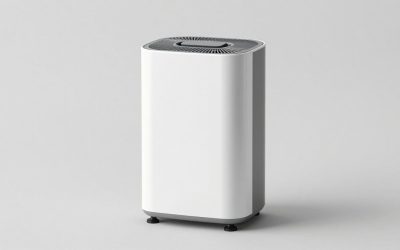
An air purifier can capture a portion of particles circulating through its intake, but it cannot directly remove dust already stuck to a shelf. Put source reduction and surface cleaning first, then consider an appropriately sized particle cleaner as a supplement for occupied rooms. Check that the purifier has clear airflow, a suitable filter, and no overdue maintenance. Do not assume a higher fan setting resolves dust entering through an unsealed renovation area or a heavily used doorway. The relevant outcome is less repeated buildup and improved control of airborne particles, not just a filter that looks darker after a week.
Step 2: capture settled dust
Wipe hard surfaces with a lightly damp microfiber cloth and vacuum rugs/upholstery with suitable filtration. Less loose dust should become airborne during cleaning.
Avoid dry sweeping that resuspends settled particles.
Track the result over a normal cleaning cycle. Choose two or three surfaces, clean them thoroughly, and see which collects dust again first while daily activities continue. If the buildup remains extreme after improving vacuuming and entryway habits, investigate obvious leaks, dirty duct surroundings, or an unusual local source without opening HVAC equipment. Avoid raising indoor humidity merely to make dust feel heavier; excessive moisture can create separate problems. A sustainable plan combines proper entry mats, reasonable fabric care, surface capture, and compatible filtration instead of a single miracle dust-removal product.
Step 3: control textiles and recurring reservoirs
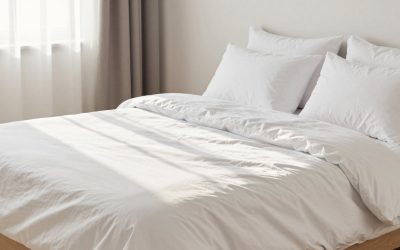
Launder bedding and washable textiles on suitable cycles and maintain accessible HVAC filters. Watch whether dust buildup slows between cleanings.
Do not put incompatible filter media into HVAC equipment.
EPA PM page suggests washing bedding in hot water weekly and drying thoroughly as appropriate; follow textile care labels in consumer article.
Avoid turning dust reduction into a cycle of ever-stronger sprays or scented cleaning products. Those products may introduce a new odor or chemical source while leaving tracked-in dirt and fabric lint unchanged. Choose the least complicated surface-safe method that collects particles, then verify that it works under ordinary household use. A repeatable routine that occupants can maintain is more valuable than a dramatic one-day cleaning session followed by rapid reaccumulation.
Step 4: use air cleaning as a supplement
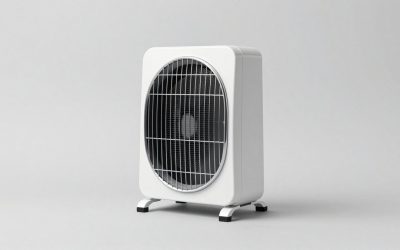
Choose a particle cleaner appropriately sized by CADR for the occupied room. Follow filter replacement requirements and assess airborne dust sources.
A media 99.97% HEPA figure is not a promise of 99.97% dust removal from the room.
The U.S. EPA explains that portable air purifier room choice should be matched by particle CADR; higher CADR generally serves larger room, but real-world results vary.
Products That Help
Useful supplies for the specific checks above can include HEPA vacuum cleaner and room-rated particle air cleaner. Confirm the exact size, device compatibility and applicable maintenance instructions first. Equipment and tools do not remove the need to stop for a safety fault.
Frequently Asked Questions
The answers below separate normal operation, owner-accessible checks and conditions that require manufacturer support or professional service.
Why is my room dusty right after I clean?
Dry dusting, traffic, bedding and clothing can put particles back in circulation. Use damp cleaning and a well-sealed, appropriately filtered vacuum.
Can an air purifier remove dust from furniture?
An air purifier can help reduce airborne particles in its room but does not remove all dust already settled on furniture. Continue surface cleaning and source control.
Do HEPA vacuums eliminate all dust?
No. HEPA-equipped vacuums can reduce recirculated fine dust, but neither a vacuum nor a purifier eliminates all household particle sources.
Is high indoor humidity a solution for dust?
No. Raising RH excessively can create dampness and mold concerns. Reduce sources and capture dust without deliberately over-humidifying the home.
Final Thoughts
Use entry mats, remove tracked-in soil and isolate activities that produce fibers or fine dust. A media 99.97% HEPA figure is not a promise of 99.97% dust removal from the room.
More from Amazon
Programs that pair well with the guide above. Offers and eligibility are set by Amazon and may change.
A free business account with business pricing and bulk-buying tools for work, shop or home office.
Create a business accountFree shipping on eligible items, Prime Video and more. Eligible new members can start with a free trial.
Start a Prime free trialAudiobooks and podcasts to listen to on the go. Eligible new members can start with a free trial.
Try Audible freeAd-free music streaming. Eligible new subscribers can start with a free trial.
Try Music Unlimited freeAs an Amazon Associate we earn from qualifying purchases.