Key takeaways
- Budget: fabric over-the-door units, plastic or metal stackable racks and simple boxes.
- Mid-range: engineered-wood shoe cabinets and storage benches with sturdier hardware.
- Premium: solid wood cabinets and custom closet systems with durable finishes.
Choose a shoe cabinet with tilting doors if you want a tidy entryway for many pairs, an over-the-door organizer if you have no floor space, and a stackable open rack if you want cheap, flexible storage for everyday shoes. The best shoe organizer depends on how many pairs you own, how much floor or door space you have and whether you want shoes hidden or visible.
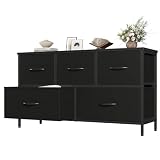
Our top picks


As an Amazon Associate we earn from qualifying purchases at no extra cost to you.
At a Glance: Shoe Organizer Types Compared
| Type | Best for | Typical capacity | Limits |
|---|---|---|---|
| Shoe cabinet with flip-down doors | Entryways; hiding shoes | About 12 to 30 pairs depending on size | Takes floor space; heavier |
| Open shoe rack | Everyday shoes by the door | About 6 to 20 pairs | Shows clutter; dust collects |
| Over-the-door organizer | Closets, dorms, small spaces | About 12 to 36 pairs in pockets | Door may not close; may not suit heavy boots |
| Shoe bench with storage | Sitting to put on shoes | About 3 to 8 pairs | Smaller capacity |
| Stackable shoe boxes | Preserving good pairs | 1 pair per box | Takes shelf space; less quick access |
| Closet hanging shelves | Closets with limited floor | About 8 to 20 pairs | Fabric can sag with heavy shoes |
| Wall-mounted shelves | Narrow halls | About 3 to 10 pairs | Needs secure mounting |
How to Choose a Shoe Organizer
Count your shoes
Before shopping, count the pairs you want to store and note the largest. Allow space for boots and sneakers, which are usually bulkier than flats or sandals. A rack with adjustable shelves handles mixed sizes best. Makers usually state capacity in pairs, but these numbers assume average-size shoes, so tall boots and wide sneakers may reduce capacity.
Entryway or closet
Entryway organizers should handle wet or dirty shoes: choose water-resistant trays or surfaces and a base that doesn’t absorb moisture. Closet organizers can be fabric, since shoes are usually dry.
Depth and clearance
Shoe cabinets with flip-down doors are slim, often only around 7 to 9 inches deep, which suits hallways but may not hold large boots or men’s sizes flat. Check the internal depth and the maximum shoe size the maker states.
Materials
Steel and plastic racks are easy to clean and light. Wood and engineered wood look better but can be damaged by water. Fabric organizers are inexpensive and foldable but can sag. Bamboo racks are popular for their look and light weight, though they may be sensitive to moisture.
Ventilation and odor
Closed cabinets trap moisture if shoes go in wet. Leave wet shoes to dry before storing them, and consider models with ventilation slots.
Stability and safety
Tall narrow cabinets can tip, so use the wall anchor hardware if provided, especially in homes with small children. Do not let children climb on racks. For over-the-door units, make sure the hooks fit your door thickness and that the door can still close without pinching.
Categories and Makers Worth Knowing
Shoe cabinets
IKEA sells slim shoe cabinets with tilting compartments, including the Hemnes and Trones ranges, which are known for slim profile designs for entryways. Songmics and Homcom are also widely listed makers of slim shoe cabinets with flip-down drawers. Reviewers generally praise them for hiding clutter and report that very large shoes may not fit.
Metal and bamboo racks
Whitmor, Simple Houseware and Seville Classics offer stackable and multi-tier racks in metal, plastic and bamboo. They are among the lowest-cost ways to organize everyday shoes. They suit entry mats and closet floors.
Over-the-door organizers
Many makers produce over-the-door pocket organizers in fabric or clear plastic. Sturdy metal-hook styles carry more weight. These work well for sandals, flats and kids’ shoes; heavy boots may stretch pockets.
Shoe boxes
Clear stackable boxes protect special pairs from dust and let you see contents. They take more shelf room but preserve condition.
Storage benches
Benches with cubbies combine seating and storage, handy in entryways. Capacity is smaller, so use them for daily shoes.
Pick X If…
| If you… | Pick | Why |
|---|---|---|
| Own many pairs and want them hidden | Flip-down shoe cabinet | Slim and tidy |
| Want the lowest cost | Stackable open rack | Flexible and cheap |
| Have no floor space | Over-the-door organizer | Uses unused door area |
| Want to sit while putting shoes on | Shoe bench | Seat plus storage |
| Store dress shoes for long periods | Clear stackable boxes | Dust protection |
| Have boots and large shoes | Adjustable-shelf rack | Room for tall items |
Budget Tiers
- Budget: fabric over-the-door units, plastic or metal stackable racks and simple boxes.
- Mid-range: engineered-wood shoe cabinets and storage benches with sturdier hardware.
- Premium: solid wood cabinets and custom closet systems with durable finishes.
Alternatives
- Built-in closet shelving: permanent and tidy but costlier.
- Hooks and wall rails: for sandals and slippers.
- Baskets or bins: for kids’ shoes and quick drop-offs.
Care and Tips
Let shoes dry before putting them away. Wipe racks regularly and vacuum under them. Rotate seasonal shoes to the back or into boxes. Keep a boot tray under wet footwear to protect floors.
Frequently Asked Questions
How many pairs does a shoe cabinet hold?
Makers list capacity in pairs, often in the range of about 12 to 30 for common cabinets. Large shoes and boots can reduce that number.
Will a slim shoe cabinet fit boots?
Often not. Slim flip-down cabinets are usually shallow, so check the maker’s stated maximum shoe size or use an open rack for tall boots.
Are over-the-door shoe organizers safe for doors?
Generally, if the hooks fit your door thickness and the load is within the maker’s limit. Make sure the door can close fully without pinching.
How do I keep shoe storage from smelling?
Dry shoes before storing, choose vented units and wipe surfaces regularly. Odor absorbers can help, but follow product directions.
Do tall shoe cabinets need to be anchored?
If the maker provides anti-tip hardware, use it, especially around children. Follow the assembly instructions closely.
What is the cheapest way to organize shoes?
A stackable open rack or a fabric over-the-door organizer is typically the lowest-cost approach, though they offer less protection than cabinets.
More from Amazon
Programs that pair well with the guide above. Offers and eligibility are set by Amazon and may change.
A free business account with business pricing and bulk-buying tools for work, shop or home office.
Create a business accountFree shipping on eligible items, Prime Video and more. Eligible new members can start with a free trial.
Start a Prime free trialAudiobooks and podcasts to listen to on the go. Eligible new members can start with a free trial.
Try Audible freeAd-free music streaming. Eligible new subscribers can start with a free trial.
Try Music Unlimited freeAs an Amazon Associate we earn from qualifying purchases.