Key takeaways
- A circular saw is the tool that turns a stack of plywood and framing lumber into a deck, a shed floor, or a set of garage shelves.
A circular saw is the tool that turns a stack of plywood and framing lumber into a deck, a shed floor, or a set of garage shelves, and a budget of under 150 dollars forces a real choice before you even look at brands. You can spend it on a corded saw that never runs out of power, on a cordless bare tool that only makes sense if you already own the matching battery platform, or on a compact trim saw that handles thin stock and little else. Each path has a different catch, and this guide sorts them by what the listed specs actually say.
It is written for homeowners and weekend builders who cut a few sheets a month, not for framing crews. If your projects are rip cuts on sheet goods, a few bevels on trim, and the occasional two-by-four, the saws below cover that ground in 2026 without asking you to pay for contractor-grade features you will not use. Where a listing title is vague, the review says so and points you back to the page to confirm details.
Quick Picks
Our top picks


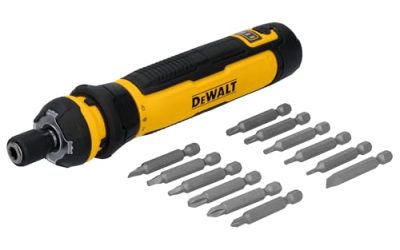
 DEWALT Circular Saw
- Among the lightest saws in its class (8.8…
- Electric brake stops the blade after trigger is…
- 15 amp motor delivers power for even the…


As an Amazon Associate we earn from qualifying purchases at no extra cost to you.
| Product | Best for | Key spec from the title |
|---|---|---|
| Skil 5080-01 | Plain, corded everyday cutting | 13-amp, 7-1/4 inch blade |
| SKIL 5280-01 | Straighter lines with a visual guide | 15-amp, single beam laser guide |
| DEWALT DCS391B | Owners of 20V MAX batteries | Cordless, battery not included |
| DEWALT DWE575SB | Angled cuts on a corded saw | Pivoting, up to 57 degree bevel |
| DEKOPRO 1200W | Deeper cuts on a tight budget | 185mm blade, 65mm depth at 90 degrees |
| GALAX PRO 11A | A cleaner work area | Dust collection, 185mm blade |
| Extbtfor 4.8A mini | Thin stock and tight spaces | 4-1/2 inch blade, laser guide |
How to Choose
Corded or cordless first
At this budget the decision is mostly about power source. Corded saws list amperage, and a 13 to 15 amp motor is the usual range for a full-size 7-1/4 inch saw. A bare cordless tool looks inexpensive on the page, but a battery and charger are separate purchases unless you already own them. If you have no matching platform, count that extra cost before you commit, because it can push a cordless setup well past the cap.
Blade size and cut depth
A 7-1/4 inch blade is the standard for framing lumber and cuts through a nominal two-by-four even at 45 degrees. Smaller 6-1/2 inch or 4-1/2 inch saws handle thinner material and lose depth quickly on bevels. Look for the depth figure at both 90 and 45 degrees; if only one is listed, confirm on the listing before you buy, since the bevel number is always the smaller one.
Bevel range and base plate
Most saws bevel to 45 degrees, and a few go further. A steel base plate stays flatter than thin stamped metal, which matters when you rely on the shoe to keep a cut square. Check that the bevel adjustment is a clear lever or knob rather than a screw that needs a separate tool, because you will change it often on trim work.
Guides, dust and what to ignore
A laser guide helps if you freehand cuts, but it is only as accurate as its alignment, so a clamped straightedge beats any laser. Dust collection ports are useful indoors yet rarely capture everything. Ignore peak RPM claims in isolation; blade tooth count and motor amperage say more about how a saw behaves in wood. Budget models most often cut corners on the stock blade and the base plate thickness.
The 7 Best Options
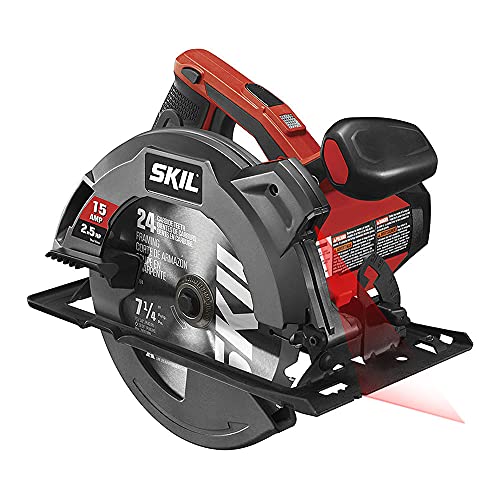
Skil 5080-01
This is the no-nonsense corded pick for someone who wants a full-size saw and nothing else. The title lists a 13-amp motor and a 7-1/4 inch blade, the standard size most blades, guides, and rip fences are built around, so replacements are easy to find. It suits first-time owners who will mostly make straight crosscuts and rips in plywood and dimensional lumber and want a familiar layout.
- Standard 7-1/4 inch blade size keeps replacement blades widely available.
- Corded power means no battery to buy, charge, or replace.
- Trade-off: no laser, dust port, or other extras are mentioned in the title.
Skip it if you want visual cut guidance or need to work far from an outlet, since the cord limits where the saw can go.
SKIL 5280-01
The step up in the same family adds a 15-amp motor and a single beam laser guide. That makes it a sensible choice for people who cut long boards by eye and want a visible reference line along the path of the blade. The higher amp rating also gives more headroom when the saw works through thicker or damp lumber for longer stretches.
- The listed 15-amp rating is the higher of the two Skil corded saws here.
- Laser guide gives a visual cut line on longer boards.
- Trade-off: a laser can drift out of alignment, so verify it against a straightedge.
Skip it if you prefer clamping a guide rail and would rather not pay attention to a laser at all.
DEWALT DCS391B
This is a cordless 20V MAX saw sold as a bare tool, and the title says plainly that the battery is not included. It is the right call for someone who already owns 20V MAX batteries and wants to add a saw without buying another charger. Roof repairs, fence panels, and yard projects far from any outlet are where this format earns its place, and a bare tool also stays light on the shelf until you need it.
- Cordless freedom suits jobs far from power.
- Fits into an existing 20V MAX battery lineup.
- Trade-off: without a battery on hand, the real cost is higher than the tool alone suggests.
Skip it if you have no compatible batteries, because a corded saw is a better use of the same budget.
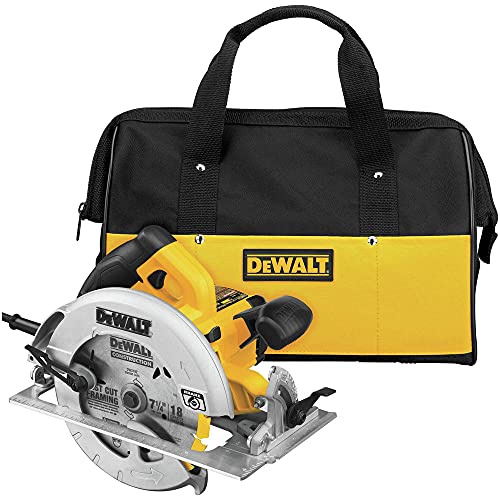
DEWALT DWE575SB
A corded 7-1/4 inch saw with a pivoting foot and a listed bevel of up to 57 degrees. Buyers who cut compound angles on trim, ramps, or built-in shelving will notice the extra range over a standard 45 degree saw. Because it plugs in, power stays consistent through long rips, which helps when you are cutting a whole stack of boards to the same width. The pivoting design also suggests a more adjustable foot than a basic fixed-pivot saw, though you should confirm the finer points on the listing.
- Bevel adjustment extends to 57 degrees according to the title.
- Corded design keeps power consistent through long cuts.
- Trade-off: it sits at the top of this budget, so confirm current listing details before relying on it.
Skip it if you only make square crosscuts and rips, since you would not use the added bevel range.
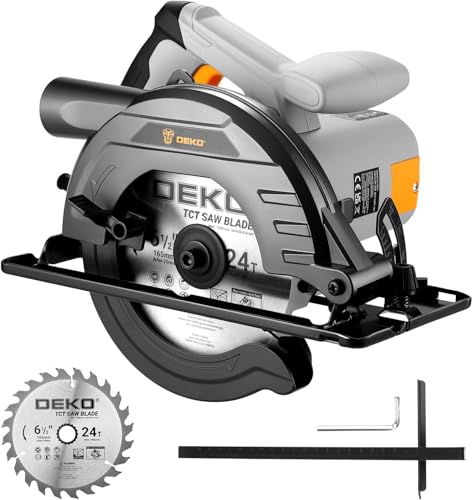
DEKOPRO 1200W
This saw lists a 1200W motor, a 185mm 24-tooth blade, 4800 RPM, and cut depths of 65mm at 90 degrees and 43mm at 45 degrees. The title also mentions a heavy-duty steel base and an included guide. On paper it offers the most cut depth per dollar in this group, which appeals to anyone cutting thicker boards on a tight budget. A 165mm sibling with shallower depth exists, so make sure you pick the 185mm version if depth matters to you.
- Listed depth at 90 degrees is generous for the budget tier.
- Steel base and included guide help with repeatable cuts.
- Trade-off: it is a lesser-known brand, so check support and replacement parts on the listing.
Skip it if you want a name with deep dealer support behind it, or a longer track record before buying.
GALAX PRO 11A
Built around an 11-amp motor, a 185mm blade, and dust collection, this model targets people who cut in a garage or spare room where sawdust spreads. The title also lists adjustable depth and bevel, so it covers basic angled work. A tidier cutting line also makes it easier to follow a pencil mark, which helps beginners keep cuts straight. It is a reasonable pick for a renter or hobbyist who sweeps up after every project and wants less cleanup afterward.
- Dust collection helps keep a small workspace cleaner.
- Adjustable depth and bevel handle everyday cutting tasks.
- Trade-off: 11 amps is the lowest corded rating here, so thick hardwood may feel slow.
Skip it if you regularly cut dense, thick lumber and want more motor headroom.
Extbtfor 4.8A mini
A compact 4-1/2 inch saw with a laser guide, listing a 1-11/16 inch cut at 90 degrees and 1-1/8 inch at 45 degrees. It suits thin plywood, flooring, laminate, and craft projects where a full-size saw is awkward to hold. Think of it as a companion for detail work rather than a replacement for a main saw. Many owners keep one beside a full-size saw for the jobs where the big tool feels like overkill, such as trimming a laminate countertop piece.
- Small size is easy to handle in tight or overhead spots.
- Cutting depths are clearly stated in the title.
- Trade-off: it cannot cut standard framing lumber all the way through.
Skip it if you plan to cut two-by-fours or thicker stock, and buy a full-size 7-1/4 inch saw instead.
Which One Fits Your Situation
You already own 20V MAX batteries
The DEWALT DCS391B makes sense because the bare tool slots into your existing setup and you skip a second charger. Keep a spare battery charged for longer jobs so the saw never becomes the reason a weekend project stalls.
You cut framing and plywood for a first deck or shed
Take the SKIL 5280-01 for its 15-amp motor and full-size blade, or the Skil 5080-01 if you do not care about a laser. Either one gives you the standard blade size that lumberyard projects assume.
You make angled cuts on trim and ramps
The DEWALT DWE575SB offers the widest listed bevel range among these saws, which saves you from awkward workarounds on compound angles.
You are cutting thin material in a small space
The Extbtfor 4.8A mini keeps things light and manageable, as long as the stock stays thin and you accept that deeper boards need a second tool.
Common Mistakes
- Buying a bare cordless saw without checking that you own a battery that fits it.
- Trusting a laser guide instead of clamping a straightedge for long, straight cuts.
- Ignoring the depth figure at 45 degrees, which is always smaller than the one at 90.
- Assuming a small-blade saw is a full-size saw with a lighter motor; the cut capacity is very different.
- Skipping a better blade; the stock blade on budget saws is often the weak link.
Related guides
- Battery Powered Floodlight Camera With Local Storage
- Cordless Drill Brush Attachment For Bathroom Grout
- Rechargeable Emergency Lantern For Power Outages
Frequently Asked Questions
Is a 13-amp saw enough for home projects?
For framing lumber, plywood, and trim, a 13-amp motor is the common baseline. Thick hardwood or wet lumber will make any saw work harder, so go slowly and let the blade do the cutting.
Are cordless circular saws worth it at this budget?
Only if you already own the battery platform. Otherwise the battery and charger add significant cost, and a corded model gives you more power for the same spend.
Do I need a laser guide?
No. It can help with freehand cuts, but a clamped guide rail or straightedge gives more accurate results than a laser that may be slightly out of line.
What blade should I use?
A 24-tooth blade is common for fast rough cuts in framing lumber. For plywood or trim, a higher tooth count leaves a cleaner edge, so keep a second blade on hand for finish work.
More from Amazon
Programs that pair well with the guide above. Offers and eligibility are set by Amazon and may change.
A free business account with business pricing and bulk-buying tools for work, shop or home office.
Create a business accountFree shipping on eligible items, Prime Video and more. Eligible new members can start with a free trial.
Start a Prime free trialAudiobooks and podcasts to listen to on the go. Eligible new members can start with a free trial.
Try Audible freeAd-free music streaming. Eligible new subscribers can start with a free trial.
Try Music Unlimited freeAs an Amazon Associate we earn from qualifying purchases.