Key takeaways
- The best storage solutions for small spaces use vertical room, hidden volume, and multi-purpose furniture instead of simply adding more containers.
The best storage solutions for small spaces use vertical room, hidden volume, and multi-purpose furniture instead of simply adding more containers. Before buying anything, measure the space, sort what actually needs to be stored, and choose pieces that fit the dimensions and the daily routine of the people using the room.
This guide explains the main categories of small-space storage, who each suits, which features and measurements to check, and which mistakes waste money and floor area. It names no brands or products. It focuses on how to choose, so the same logic works in an apartment, a dorm, a closet, a bathroom, or a compact kitchen.
Start by Measuring and Editing
Storage products cannot fix clutter that has no purpose. Two preparation steps prevent buying the wrong things.
Measure width, depth, and height
Record the width, depth, and height of each target area, including door swing, baseboards, outlets, and vents. A shelf that is two inches too deep can block a walkway, and a bin that is slightly too tall will not slide into a cabinet. Write measurements down and carry them while shopping.
Sort into keep, relocate, and release
Group belongings by how often they are used. Daily items need easy access, seasonal items can go higher or deeper, and rarely used things are candidates for donating or storing elsewhere. The goal is to organize what remains, not to find a home for everything.
Decide the zones
Assign each zone a purpose: entry, sleep, work, cook, bathe. Storage works best when it sits next to the place where the item is used, such as a hook by the door for keys and bags.
Go Vertical First
In a small space, floor area is expensive and wall area is often free. Vertical storage multiplies capacity without crowding the room.
- Wall shelves and floating ledges: Keep surfaces off the floor and work in narrow spots. Check the wall type and use appropriate anchors for the load.
- Tall, narrow bookcases: A slim unit uses little floor but offers plenty of shelf height. Secure tall units to the wall for safety.
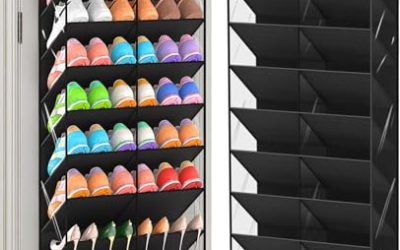
- Over-the-door organizers: Useful for shoes, cleaning supplies, pantry items, or accessories. Confirm door thickness and clearance before buying.
- Pegboards and rail systems: Flexible, rearrangeable, and good for kitchens, craft areas, and entry walls.
- Ceiling-height cabinets: Extend storage to the top, with seldom-used items placed up high.
Use Hidden Space Under and Behind Things
Under the bed
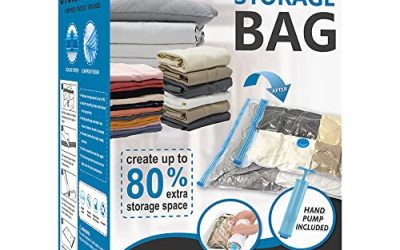
Shallow rolling bins, drawers, and bed risers open up a large amount of hidden space. Choose bins with wheels or handles for easy access, and a lid to keep out dust. Measure the clearance beneath the frame before purchasing.
Behind doors and along walls
Narrow rolling carts slide into gaps beside appliances or furniture. Slim cabinets that fit in tight alcoves make use of otherwise wasted space. Check the width of the gap and the clearance needed to open drawers.
Inside cabinets and closets
Shelf risers, stacking organizers, hanging rods, and drawer dividers multiply usable volume inside existing storage. In a closet, a second hanging rod doubles hanging space for shorter garments, and shelf dividers prevent stacks from tipping.
Choose Furniture That Does Two Jobs
Multi-functional furniture is a staple in compact homes because it handles storage and seating or surface space at once.
- Storage ottomans and benches: Seating with a lift-up lid for blankets, shoes, or toys.
- Beds with drawers or lift-up bases: Concealed storage for linens and off-season clothing.
- Drop-leaf or extendable tables: Compact when not in use, and stored flat against a wall or tucked into a corner.
- Coffee tables with shelves or lift tops: Hold remotes, books, and a laptop workspace.
- Nesting tables and stackable stools: Appear when needed and tuck away afterward.
Check the weight capacity and mechanisms, such as hinges and lift supports, and make sure the furniture can open fully without hitting a wall.
Features and Materials to Evaluate
- Depth and clearance. Shallow storage is often more usable because items do not disappear at the back.
- Weight capacity. Shelves for books and cookware need to carry heavy loads. Look for stated limits and sturdy construction.
- Material. Solid wood and metal handle weight well. Plastic bins are lightweight and moisture-resistant. Particleboard is affordable but can sag or swell in damp areas.
- Visibility. Clear bins and labels make finding items fast, while opaque bins keep a space visually calm.
- Stackability and modularity. Units that stack or can be reconfigured grow with changing needs.
- Assembly and removal. Renters should consider damage-free mounting and pieces that can be moved without disassembly.
Room-by-Room Priorities
Small kitchens
Use wall rails for utensils, risers inside cabinets, a rolling cart, and stackable containers. Keep countertops clear for food prep, and store rarely used items out of easy reach.
Compact bathrooms
Over-the-toilet shelving, wall-mounted cabinets, and shower caddies keep supplies off the floor. Choose materials that resist moisture and rust.
Studio apartments and bedrooms
Combine under-bed storage, a tall wardrobe, and wall shelves to hold clothing and belongings. Use a bookcase as a room divider if the space needs separate zones.
Entryways
Hooks, a narrow shoe rack, and a small bench maintain order. Add a tray or bowl for keys, and a wall mirror to make the area feel larger.
A Simple Weekend Plan
A small-space storage upgrade does not need to happen all at once. On the first day, measure every target area, empty one zone at a time, and sort the contents into keep, relocate, and release piles. On the second day, group the keepers by use, sketch where each group will live, and buy only the pieces the sketch calls for. Install the heaviest or most permanent items first, such as wall shelves and rods, then add bins and organizers last. Live with the arrangement for a couple of weeks, adjust anything that feels awkward, and only then add more. This sequence prevents the common trap of buying a cart of containers that never gets used.
Labeling is a small step with a large payoff. Clear labels on bins, shelves, and drawers help every household member put things back, which keeps the system working long after the first tidy-up.
Budget Tiers
Budget solutions include hooks, bins, tension rods, and stackable organizers, which provide quick improvement at modest cost. Mid-range choices are sturdier shelving units, storage furniture, and modular systems that last longer and look more cohesive. Premium options include custom built-ins and fitted cabinetry, which maximize every inch but require measurement, planning, and sometimes professional installation. Spend where the item is used daily, such as the bed, entry, or kitchen, and save on rarely accessed storage.
Common Mistakes
- Buying containers before decluttering. More bins can simply hide excess.
- Ignoring measurements. A piece that nearly fits is a piece that gets returned.
- Overfilling shelves. Crowded storage looks messy and is hard to use.
- Blocking pathways and outlets. Leave clear walkways and access to switches.
- Skipping wall anchors. Tall and wall-mounted units need secure anchoring.
Related guides
- Battery Powered Floodlight Camera With Local Storage
- Cordless Drill Brush Attachment For Bathroom Grout
- Home Office Supplies For Labeling And Organizing
Frequently Asked Questions
What is the best way to add storage without drilling holes?
Freestanding shelves, over-the-door organizers, tension rods, and adhesive-free hooks work in many rentals. Furniture with built-in storage also avoids wall damage. Check weight limits and test items before loading them fully.
How can a small room feel less cluttered?
Use closed storage for most items and keep open shelves for a few well-chosen pieces. Matching containers and consistent colors create a calmer look. Vertical storage frees floor space, which makes the room feel larger.
Is it better to buy matching storage pieces?
Matching pieces create a unified look and often fit together neatly, but mixed pieces can add character and flexibility. Focus on measurements and function first. A shared color palette helps different items look intentional.
Where is the most overlooked storage space in a small home?
Many homes have unused space above doors, behind doors, under beds, and in the top portion of closets. High shelves are good for seasonal items. Use a step stool and label containers so items stay easy to find.
More from Amazon
Programs that pair well with the guide above. Offers and eligibility are set by Amazon and may change.
A free business account with business pricing and bulk-buying tools for work, shop or home office.
Create a business accountFree shipping on eligible items, Prime Video and more. Eligible new members can start with a free trial.
Start a Prime free trialAudiobooks and podcasts to listen to on the go. Eligible new members can start with a free trial.
Try Audible freeAd-free music streaming. Eligible new subscribers can start with a free trial.
Try Music Unlimited freeAs an Amazon Associate we earn from qualifying purchases.