Our Short List of 3

- Size: 6 x 34 in, for 36 in doors
- Material: Metal, brass tone finish
- Thickness: .050 in
- Model: Don-Jo 90 series (90-6)

- Size: 8 x 34 in, for 36 in doors
- Material: Aluminum, brite brass finish
- Model: Prime-Line MP4618
- Mounting: Screw-on, pre-punched holes

- Size: 6 x 34 in, for 36 in doors
- Material: Anodized aluminum
- Thickness: .04 in
- Finish: Satin black (other finishes offered)
All 4 Picks at a Glance
| Product | Specs | Action |
|---|---|---|
| 1. Don-Jo 90 Metal Kick Plate, 6 x 34 Inches, Brass Tone |
| Check price on Amazon |
| 2. Prime-Line MP4618 Kick Plate, 8 x 34 Inches, Brite Brass on Aluminum |
| Check price on Amazon |
| 3. Deck the Door Decor Door Kick Plate, 6 x 34 Inches, Satin Black |
| Check price on Amazon |
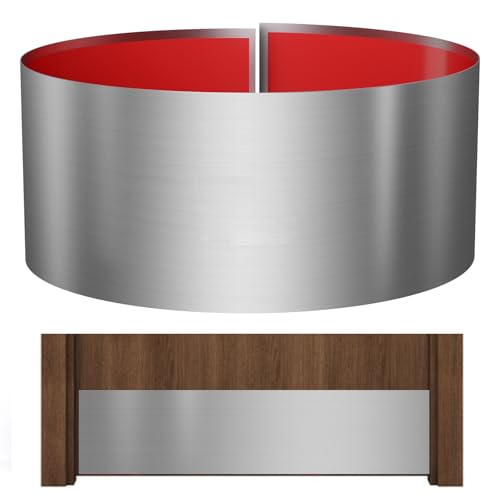 4. Sanbege Stainless Steel Door Kick Plate, 8 x 34 Inches, Brushed Nickel |
| Check price on Amazon |
Key takeaways
- Compare the best door kick plates for front, back and screen doors, with sizing rules, metal and adhesive picks, and fit tips for 30 to 36 inch doors.
The bottom rail of a busy door takes a daily beating. Shoes push it open, vacuum cleaners bump it, carts roll into it, and dogs scratch at it when they want to go out. A kick plate is a simple sheet of metal or tough plastic that covers that lower panel, so the door face stays clean and unmarked while the plate takes the wear instead.
Kick plates suit front doors, back doors, screen and storm doors, garage entry doors, and the laundry or mudroom door that everyone nudges open with a foot while carrying a basket. They are not the same thing as a strike plate, which is the small metal piece set into the frame around the latch. A kick plate is far larger, usually 6 to 10 inches tall and nearly as wide as the door itself, and its whole job is surface protection.
This guide compares five plates that cover the main ways people buy them: heavy commercial metal that screws on, lighter aluminum for home entry doors, a black anodized plate that matches modern hardware, a stainless sheet that sticks on with no drilling, and a cut-to-fit roll for odd sizes. Each pick below lists the size, material, and mounting method that matter before you order.
Disclosure: As an Amazon Associate, we earn from qualifying purchases made through links on this page, at no extra cost to you.
How to Choose a Door Kick Plate
Measure the door, then subtract. The standard rule is to order a plate 2 inches narrower than the door slab, leaving about 1 inch of bare door on each side so the plate never rubs the frame. A 36 inch door takes a 34 inch plate, a 32 inch door takes a 30 inch plate, and a 30 inch door takes a 28 inch plate. Measure the slab itself, not the frame opening, and check the swing clearance at the floor so the plate bottom edge clears your threshold and door sweep.
Pick a height for the traffic. Six inches suits a quiet interior door. Eight inches is the common home choice and covers the zone most shoes and vacuum heads reach. Ten inches or more helps on doors that meet carts, wheelchairs, strollers, or big dogs. Taller plates also cover old damage, which is handy on a door that is already scuffed.
Match the material to the location. Stainless steel is the toughest common option and shrugs off rain, snow melt, and road salt, so it belongs on exterior doors; grade 304 is the grade to look for when a listing names one. Aluminum is lighter, never rusts, and is easier to drill and trim, though it dents sooner than steel. Brass and brass-tone plates are mostly about looks on formal entry doors and need a lacquered finish to stay bright outdoors. Thin adhesive sheets and plastic plates are fine indoors but give up impact strength.
Decide how it mounts. Screw-on plates hold best and can be removed for painting; they need pilot holes and a door you are allowed to drill. Self-adhesive plates go on in minutes with no holes, which suits renters, steel doors you do not want to pierce, and smooth flat doors; they demand a clean, degreased surface and full pressure along the edges. Magnetic plates only work on steel doors and can slide if the door gets slammed hard.
Mind the thickness. Commercial plates run about .050 inch thick and feel rigid in the hand. Home plates near .040 inch are lighter and easier to handle. Flexible rolls are far thinner; they stop scratches and claw marks but will not hide dents or stop a hard cart impact.
The Five Picks
1. Don-Jo 90 Metal Kick Plate, 6 x 34 Inches, Brass Tone
- Size: 6 x 34 in, for 36 in doors
- Material: Metal, brass tone finish
- Thickness: .050 in
- Model: Don-Jo 90 series (90-6)
Don-Jo builds hardware for commercial buildings, and the 90 series plate shows it. The sheet is a full .050 inch thick, the thickness specifiers ask for on doors that meet carts and constant foot traffic, and it mounts with screws for a hold that will not peel or slide. The brass tone finish warms up a traditional entry and pairs well with brass knobs and hinges.
At 6 inches tall it is the shortest plate here, so it fits doors with a low bottom rail or a raised panel that begins close to the floor. Order it for a 36 inch door in a busy hallway, office, or shop where the abuse is real but the look still matters.
2. Prime-Line MP4618 Kick Plate, 8 x 34 Inches, Brite Brass on Aluminum
- Size: 8 x 34 in, for 36 in doors
- Material: Aluminum, brite brass finish
- Model: Prime-Line MP4618
- Mounting: Screw-on, pre-punched holes
Prime-Line is the name most homeowners meet first in the hardware aisle, and the MP4618 is its classic home kick plate: an aluminum sheet with a bright brass look, sized 8 x 34 inches for a standard 36 inch door. Aluminum keeps the weight low, so one person can hold the plate in place and drive the screws without a helper.
The taller 8 inch face covers the scuff zone on most entry doors, and the polished finish reads formal from the street. Because the base metal is aluminum, it will not rust if the finish wears, though the bright coating can dull over years of weather. It is a sensible pick for a front door that needs protection and a traditional look in one step.
3. Deck the Door Decor Door Kick Plate, 6 x 34 Inches, Satin Black
- Size: 6 x 34 in, for 36 in doors
- Material: Anodized aluminum
- Thickness: .04 in
- Finish: Satin black (other finishes offered)
Black hardware is the look of the moment, and this anodized aluminum plate from Deck the Door Decor is made to match matte black levers and hinges. The anodized layer is part of the metal rather than a paint film, so it resists fading in sun and does not peel at the edges the way coated plates can.
The plate is .04 inch thick, light enough for a hollow core door, and it screws on with matching screws so the heads blend into the face. The same design comes in satin nickel, shiny brass, and oil rubbed bronze if black does not suit your door. Choose this one when the goal is as much about updating the look of the entry as stopping scuffs.
4. Sanbege Stainless Steel Door Kick Plate, 8 x 34 Inches, Brushed Nickel
- Size: 8 x 34 in, for 36 in doors
- Material: Stainless steel, brushed nickel finish
- Model: CSL-US-20240604-01
- Mounting: Self-adhesive, no drilling
The Sanbege plate is the no-drill option in stainless steel. It carries a self-adhesive back, so fitting is a case of cleaning the door, peeling the liner, and pressing the sheet home. That makes it a strong pick for renters, for steel doors, and for anyone who does not want screw holes in a good door.
The brushed nickel face hides fingerprints and shoe marks well, and stainless steel handles weather on an uncovered exterior door better than plated finishes. At 8 x 34 inches it fits a 36 inch door with the usual margin each side. Adhesive bonds best to smooth, flat doors; heavily grained or paneled surfaces give the glue less to grip, so keep that in mind before ordering.
5. Coengwui Stainless Steel Kick Plate Roll, 3.9 Inches x 9.8 Feet, Brushed Gold
Not every door matches a stock plate. This Coengwui roll is a thin, flexible stainless sheet on a peel-and-stick back that you cut to length with snips or heavy scissors, so one roll can dress a wide door, a pair of narrow doors, or a run of door bottoms in the same hallway.
At just under 4 inches tall it works more like a guard strip than a full plate. That lower profile suits screen doors, sliding door tracks, and light interior doors where a tall rigid plate would look heavy or foul the frame. The brushed gold finish adds a warm band along the door foot. It stops scratches, claw marks, and mop scuffs; it will not armour a door against carts, and it should be pressed onto a smooth, clean surface for the bond to hold.
Specs
- Size: 3.9 in x 9.8 ft roll, cut to fit
- Material: Stainless steel
- Finish: Brushed gold
- Model: TJX-LSJ-10cmx6m
- Mounting: Peel-and-stick adhesive
- Use: Light-duty interior doors and screen doors
Comparison Table
| Pick | Size | Material | Mounting | Best for |
|---|---|---|---|---|
| Don-Jo 90 | 6 x 34 in | Metal, brass tone | Screw-on | Heavy traffic, commercial feel |
| Prime-Line MP4618 | 8 x 34 in | Aluminum, brite brass | Screw-on | Classic front door look |
| Deck the Door Decor | 6 x 34 in | Anodized aluminum, satin black | Screw-in | Matching black hardware |
| Sanbege | 8 x 34 in | Stainless steel | Self-adhesive | Renters and steel doors |
| Coengwui Roll | 3.9 in x 9.8 ft | Stainless steel | Peel-and-stick | Odd sizes, screen doors |
FAQ
What size kick plate do I need for a 36 inch door?
Order a plate 34 inches wide, which leaves about 1 inch of door showing on each side so the plate clears the frame. For height, 6 inches suits light use and 8 inches covers the area most shoes reach.
Should I choose a screw-on or adhesive kick plate?
Screw-on plates hold firmest and can be removed later, but they leave holes. Adhesive plates need no drilling and suit renters or steel doors, yet they need a smooth, clean door face and can be hard to remove without residue.
Is stainless steel or aluminum better for an exterior door?
Stainless steel is harder and resists dents and salt spray best, so it leads for exposed exterior doors. Aluminum is lighter, never rusts, and costs less effort to fit, which makes it a good pick for covered porches and interior doors.
Can a kick plate go on a screen door or storm door?
Yes, if the plate is light and the door has a flat lower rail wide enough for it. Thin adhesive sheets and short guard strips suit screen doors best; heavy rigid plates can strain thin frames and hinges.
How do I keep a kick plate looking clean?
Wipe it with a damp cloth and mild soap, then dry it so water spots do not set. Skip abrasive pads on brushed and anodized finishes, since they can cut lines across the grain and dull the surface.
Conclusion
For most homes, the choice comes down to mounting and material. Pick the Prime-Line MP4618 for a classic brass look on a front door, the Don-Jo 90 when the door takes real punishment and you want commercial thickness, or the Deck the Door Decor plate to match black hardware. If drilling is off the table, the Sanbege stainless sheet sticks on cleanly, and the Coengwui roll covers the odd sizes no stock plate fits. Measure your door, subtract 2 inches, and any of these five will keep the bottom rail looking fresh for years.
More from Amazon
Programs that pair well with the guide above. Offers and eligibility are set by Amazon and may change.
A free business account with business pricing and bulk-buying tools for work, shop or home office.
Create a business accountFree shipping on eligible items, Prime Video and more. Eligible new members can start with a free trial.
Start a Prime free trialAudiobooks and podcasts to listen to on the go. Eligible new members can start with a free trial.
Try Audible freeAd-free music streaming. Eligible new subscribers can start with a free trial.
Try Music Unlimited freeAs an Amazon Associate we earn from qualifying purchases.